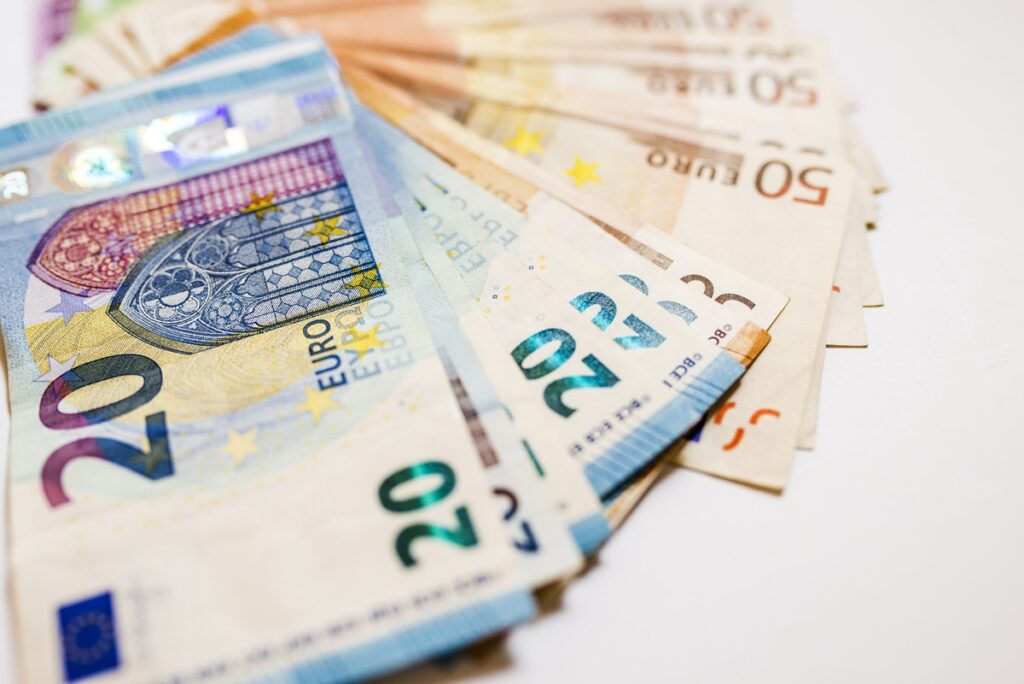
Paying with good old-fashioned Cash in Europe? Get ready for a change. A new EU rule is about to shake things up, and if you're planning any big purchases, you'll want to pay attention.
Cash Ban Coming? EU's Shocking New Rule Could Chan...
By Farah Mokrani • Published: February 3, 2026 • 7:29 AM • 3-minute read
Cash, that tangible symbol of financial freedom (and sometimes, let's be honest, a way to avoid prying eyes), is facing some fresh restrictions across the European Union. For many, especially older generations and those who value privacy, cash remains the go-to for significant transactions. I know my grandmother still prefers paying cash, feels more "real" to her.
But starting in 2027, the EU will implement a uniform cash payment limit of €10,000 across all member states. This is a pretty significant move that's poised to reshape how substantial purchases are conducted, whether the public is entirely ready for it or not. We're talking about a big shift here.
The rationale behind the regulation? It's all about combating money laundering, tax evasion, and those tricky untraceable transactions. Essentially, any payment exceeding that €10,000 mark will have to be made via traceable methods. Think bank transfers, card payments – things that leave a digital breadcrumb trail. This cap will be a standard across the EU, leveling the playing field from Spain to Germany, Italy to the Netherlands.
Now, some EU nations already have fairly strict systems in place. Spain, for example, has a ban on cash payments above €1,000 when a business is involved. However, this new rule is really about standardizing practices across the entire bloc. France and Italy have also been moving towards tighter controls, nudging larger transactions toward electronic methods.
EU officials are arguing that these large cash transactions often lack that digital footprint, which makes them attractive for concealing income, dodging taxes, and moving illicit funds around. This common limit aims to prevent criminals from exploiting the differences between various national regulations. It makes sense, in theory, but the devil is always in the details, isn't it?
Brussels is keen to emphasize that the goal isn't to eliminate cash altogether. Thank goodness! They say it's just about curbing its use in those higher-risk transactions. So, your everyday payments for groceries, grabbing a coffee, or those small service fees? Those will remain unaffected. You can still pay the plumber cash, thankfully.
However, if you're planning a major purchase, this is something to keep in mind. Buying a car, some expensive jewelry, a piece of artwork, or paying for extensive home renovations? Paying with cash above €10,000 will no longer be an option anywhere in the EU from 2027. And, this applies to expats and non-residents too, as those exceptions for foreign buyers will be phased out over time.
So, while cash certainly isn't going to disappear overnight, its role in those big-ticket purchases is going to diminish significantly. We're definitely heading towards a more cashless society, whether we like it or not.
The rollout of this change has been relatively quiet, to be honest. No dramatic announcements or immediate disruptions. And yet, it signifies a substantial move towards a more controlled and traceable financial system in Europe. Supporters see it as a vital tool for fighting crime and ensuring fairness, while critics will undoubtedly argue it's another step toward eroding personal freedom. It's a debate that's sure to continue.
Credit: Dragana Gordic, Shutterstock
Comments
Please sign in with Google to post a comment
No comments yet. Be the first to comment!