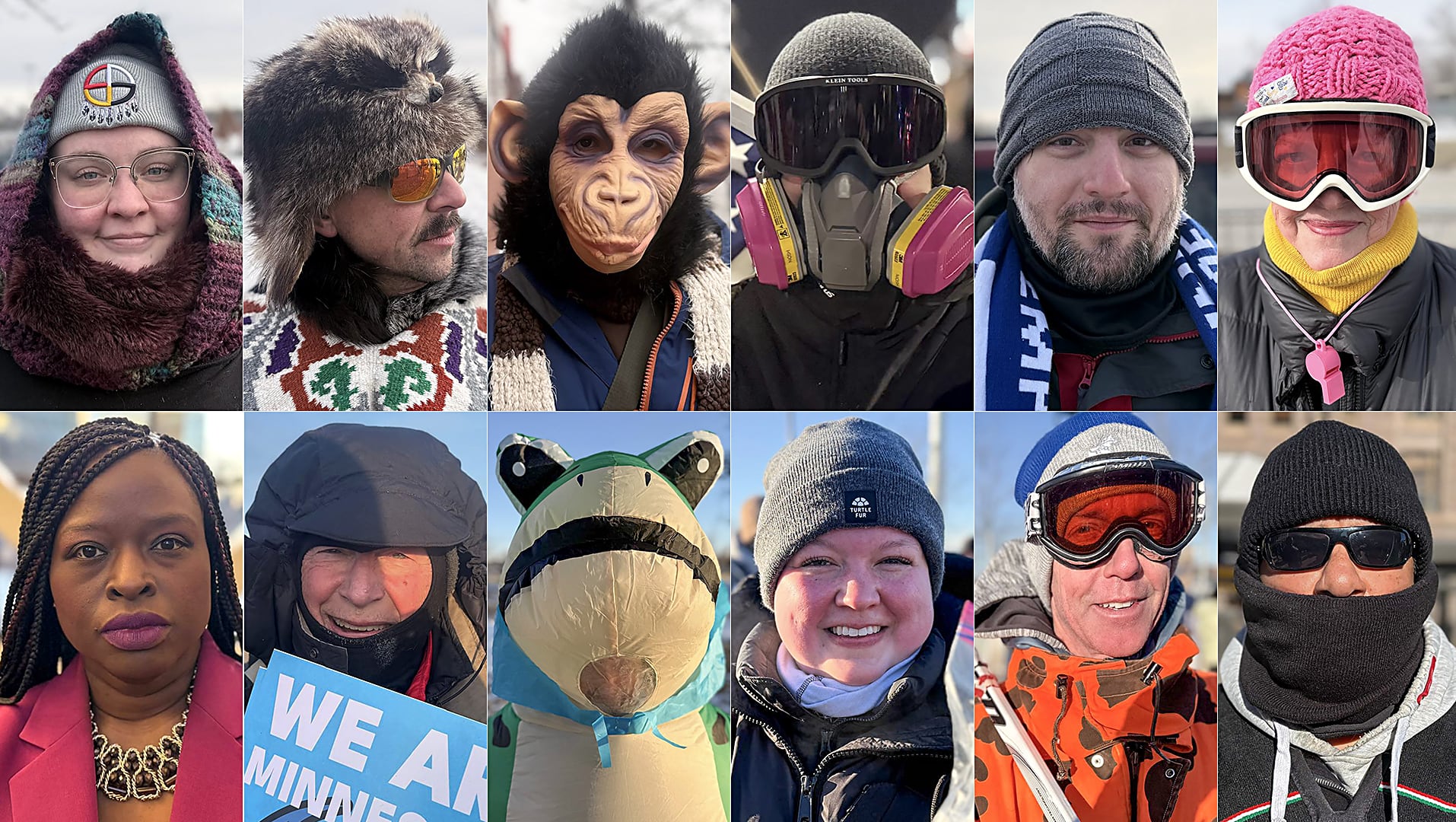
Minneapolis is becoming ground zero for a new kind of resistance, a grassroots effort to actively impede federal Immigration enforcement. Fueled by a potent mix of solidarity and, frankly, defiance, residents are leveraging sophisticated communication networks and direct action to push back against what they see as an overreach by the Trump administration.
Minneapolis Under Siege?! How Residents Are Fighti...
For weeks now, the buzz of constant notifications has become a familiar sound on the streets of Minneapolis. Residents plugged into encrypted Signal groups are receiving a constant stream of updates, tracking the movements of the reported 3,000 immigration agents deployed to the city under Operation Metro Surge.
This isn't your grandma's protest. The communication is organized and strategic. Participants use a visual code system within the Signal groups – emojis representing roles like drivers ("cars"), license plate identifiers ("license plates"), or medical responders ("bandaged hearts"). Some are actively patrolling the streets, looking for unmarked cars and, allegedly, armed federal agents. Others are documenting license plates, providing first aid, or cross-referencing information in available databases. Think of it as a decentralized, real-time intelligence network.
The network holds regular check-in calls throughout the day. When a raid is reported, designated "observers" converge on the location, attempting to disrupt or at least document the activity. Reports suggest that they blow whistles, film the agents, and even directly confront them. Naturally, this sometimes leads to arrests, further fueling the cycle of resistance.
Operation Metro Surge, aimed at accelerating deportations in Minnesota, a traditionally Democratic state, has been met with fierce opposition. Minneapolis is just the latest city to be targeted, following in the footsteps of Los Angeles, Washington, Chicago, Portland, Memphis, and New Orleans. Critics argue that this is an authoritarian tactic, designed to fulfill a campaign promise of mass deportations. It feels like a pressure cooker here, honestly. You can sense the tension in the air.
"They've run into the toughest people in the country," Jaylani Hussein, a prominent leader within the Somali community, told me in a recent interview. He believes the Somali community has been unfairly targeted, with the Trump administration falsely blaming them for widespread fraud in public assistance programs. "We survive the harshest winters, and we do it knowing we can rely on our neighbors. We've created the resistance manual for the cities that come after us on the list."
That "manual," if you can call it that, is built upon the foundations of community solidarity. It draws heavily from the lessons learned during the George Floyd protests and the extensive networks built in the Twin Cities during that tumultuous period. The infrastructure for rapid response and coordinated action was already in place. Now, it's being repurposed and refined.
“What’s happening now is unprecedented,” remarked Jim Winterer, a retired journalist and lifelong Minnesota resident, at a recent demonstration. It's not just the large-scale operations. It's the small acts of defiance, the everyday resistance that's making a difference. He observed that even simple acts like holding signs calling for the expulsion or abolition of ICE on overpasses, eliciting honks of support from passing drivers, contribute to the overall feeling of opposition. These small acts, multiplied across the city, are adding up. The tenants of a building at the corner of 28th Street and Thomas Avenue have been co…
Comments
Please sign in with Google to post a comment
No comments yet. Be the first to comment!