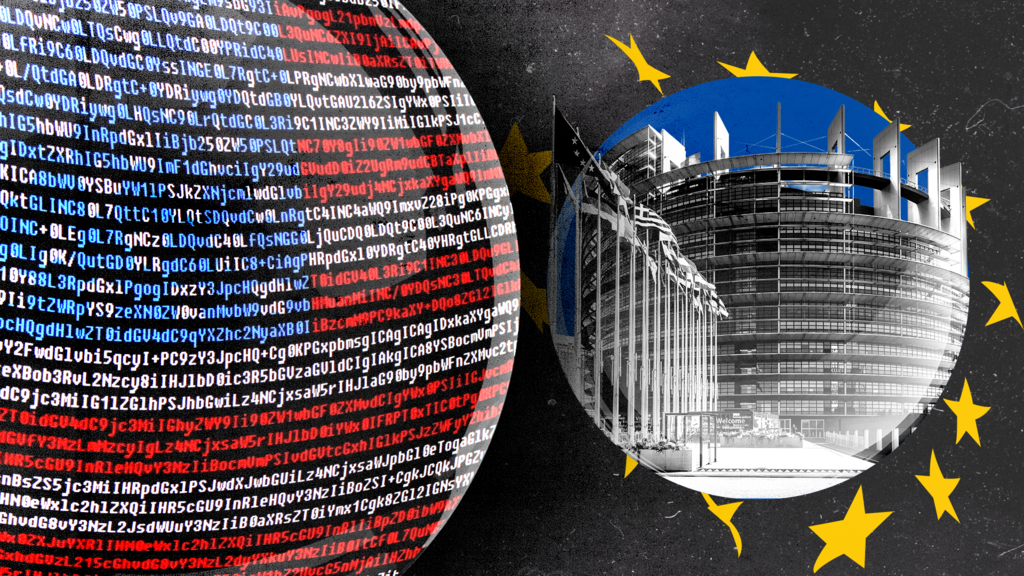
Digital sovereignty, a concept often relegated to dusty policy papers and academic debates, is suddenly front and center. For years, European nations have happily (or perhaps passively) integrated American tech giants into the very fabric of their economies and societies. But now, a growing sense of unease, coupled with a healthy dose of geopolitical anxiety, is pushing them towards building their own digital infrastructure. The question is: can they really break free from Big Tech's grip?
Trump's Digital Threat: Has Europe Finally Woken U...
This is the first in a three-part series exploring the push for digital sovereignty in Europe. We'll delve into the motivations, the challenges, and, ultimately, the potential for success (or failure). What's triggered this sudden urgency? Well, several factors are at play. The constant drip-feed of data privacy scandals involving American companies, the ever-present threat of U.S. government surveillance, and, perhaps most significantly, the unpredictable pronouncements of figures like former President Donald Trump. He has openly threatened to withdraw U.S. support from Europe, and that definitely got some people thinking.
Let's be honest, Trump's "America First" rhetoric sent shockwaves through the continent. It forced European leaders to confront a stark reality: relying too heavily on a single, potentially unreliable ally for critical digital infrastructure is a dangerous game. Imagine a scenario where access to essential cloud services, communication platforms, or even cybersecurity tools is suddenly cut off. The economic and social consequences would be devastating. It's more than just about national pride; it's about national security.
So, what does "digital sovereignty" actually mean in practice? It’s about regaining control over data, developing homegrown alternatives to American software and services, and fostering a more independent digital ecosystem. This might involve investing in European cloud providers, promoting open-source technologies, and strengthening data protection laws. It's a multifaceted challenge that requires a coordinated effort from governments, businesses, and citizens alike. I've seen some interesting pilot programs emerging in Estonia and France – small steps, but significant ones.
Of course, this isn't going to be easy. American tech giants have a massive head start, enormous resources, and a deeply entrenched position in the market. Convincing users to switch to less familiar, potentially less polished European alternatives will be a tough sell. And let's not forget the potential for retaliation from the U.S., whether through trade barriers or other forms of economic pressure. Yet, the stakes are too high to ignore. The future of Europe's digital autonomy – and its overall independence – hangs in the balance.
Comments
Please sign in with Google to post a comment
No comments yet. Be the first to comment!