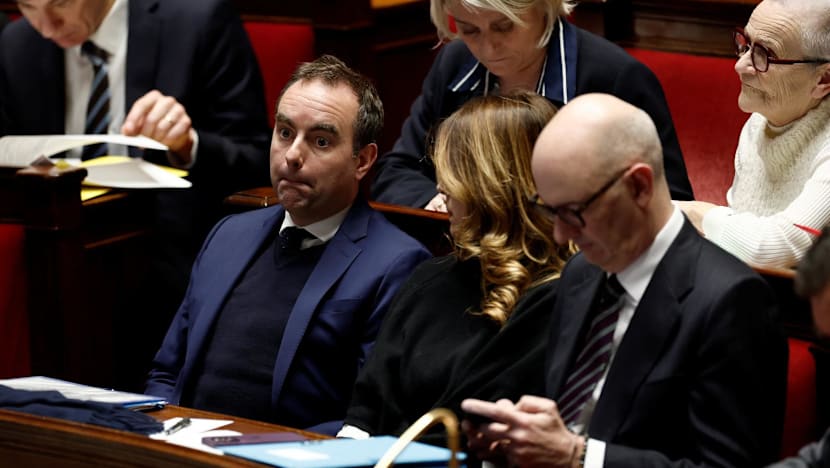
PARIS – After what feels like an eternity, France is poised to finally adopt its 2026 budget on Monday. The expected failure of two no-confidence motions against the government clears the path for the legislation, bringing a semblance of calm to Prime Minister Sebastien Lecornu's already strained minority government. This budget saga has been a real rollercoaster, and frankly, I think everyone here in Paris is ready for it to be over.
France's 2026 Budget: Crisis Averted or Economic D...
The whole mess started with President Emmanuel Macron’s surprise snap election back in 2024, resulting in a hung parliament. Talk about throwing a wrench in the works! The election, unfortunately, coincided with a rather significant hole in public finances, forcing the government to consider some pretty tough austerity measures. The prolonged budget debates have already claimed two prime ministers as casualties, sent shivers through the debt markets, and understandably worried France's European partners. It’s been a wild ride, to say the least.
As veteran political commentator Alain Duhamel put it on RTL radio, this outcome is both a "political success and an economic failure." A rather apt summary, if I may say so myself.
Despite the lingering budget deficit, which Lecornu projects to be around 5% of GDP, investors seem to be breathing a sigh of relief. The French government debt premium over the German benchmark – a key indicator – has returned to levels we haven't seen since before Macron's snap election announcement back in June 2024. That's a good sign, showing that the markets are reacting positively to the newfound stability.
The real game-changer? The Socialists' decision not to back the no-confidence motions. This pretty much guarantees the adoption of the 2026 budget, which is already over a month behind schedule. As a compromise, the Socialists managed to get the government to suspend that unpopular pension reform, pushing back the planned increase in the retirement age to 64 until after next year's presidential election. A shrewd move, securing a key concession in exchange for much-needed stability.
With the 2027 presidential election looming just a year away, this budget resolution gives Macron some much-needed breathing room. He's nearing the end of his second term, and let’s just say his approval ratings aren’t exactly soaring.
Macron’s supporters are crediting Lecornu’s flexibility and willingness to compromise for avoiding the reinstatement of wealth taxes and protecting Macron's legacy of attracting foreign investment to France. It’s a legacy he’s keen to protect, no doubt.
Now, the president is mostly focused on foreign policy, championing greater European independence and taking a firmer stance against US President Donald Trump on issues like tariffs and, yes, even the Greenland crisis. But back home, Macron leaves his centrist bloc without a clear heir apparent and considerably weakened in the face of a resurgent far right. It's a precarious situation, to be sure. Two former prime ministers, Edouard Philippe and Gabriel Attal, are already gearing up for a presidential run, and Lecornu's popularity has been on the rise recently. But with a fragmented center and no planned primary, it’s still very uncertain whether a mainstream candidate will even make it to the election's second round to face off against a far-right candidate, potentially led by Jordan Bardella or Marine Le Pen. Only time will tell what the future holds for French politics.
Comments
Please sign in with Google to post a comment
No comments yet. Be the first to comment!