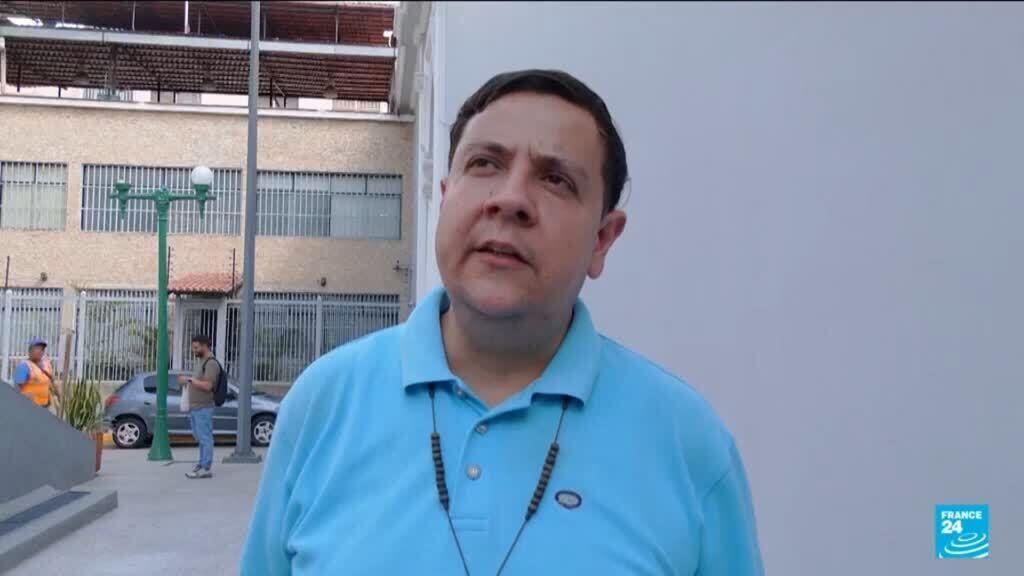
After enduring over four years behind bars, Venezuelan human rights activist Javier Tarazona is finally a free man. This news brings a sigh of relief to international human rights organizations and, no doubt, to Tarazona's family and supporters who've tirelessly campaigned for his release. He was incarcerated in a Caracas prison, accused of vaguely defined crimes against the state – a common tactic employed by authoritarian regimes to silence dissent.
Venezuelan Activist Freed! What US Pressure Finall...
His release is part of a broader amnesty program orchestrated by the Venezuelan government. It's being widely viewed as a direct result of intensified pressure from the United States, particularly in the aftermath of Nicolás Maduro’s removal last month. It seems the new administration is trying to project a more conciliatory image, and freeing political prisoners is certainly a good place to start. I’ve covered similar situations in the past, and it's always a delicate dance between internal politics, external pressure, and genuine reform.
Beyond Tarazona, dozens of other political prisoners have also been released as part of this initiative. This is undoubtedly positive news, and represents a step in the right direction. However, it's crucial to maintain a sense of perspective. Reports suggest that hundreds, perhaps even thousands, of political prisoners remain incarcerated in Venezuela. This suggests that the amnesty program is far from comprehensive and that systemic issues persist. Let's not forget, freedom shouldn't be a privilege granted selectively, but a right guaranteed to all.
Tarazona's case, in particular, has drawn international scrutiny due to his work documenting human rights abuses along the volatile Venezuelan-Colombian border. His organization, Fundaredes, has been a thorn in the side of the Maduro regime for years, consistently reporting on everything from illegal armed groups to the exploitation of natural resources and the erosion of civil liberties. It's not hard to see why they wanted him silenced.
What comes next remains to be seen. Will the Venezuelan government genuinely commit to releasing all political prisoners and upholding human rights? Or is this merely a PR exercise designed to ease international pressure and secure economic benefits? It's a wait-and-see game, unfortunately. For now, the release of Javier Tarazona is a victory, a testament to the power of persistent advocacy. But the fight for justice in Venezuela is far from over. I, for one, will be watching closely.
Comments
Please sign in with Google to post a comment
No comments yet. Be the first to comment!