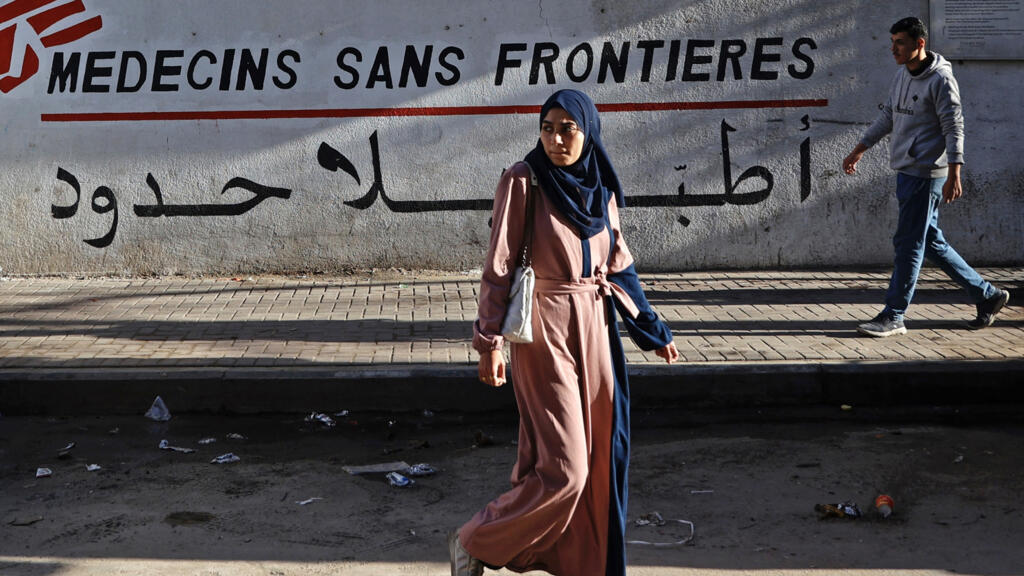
Israel has dropped a bombshell, announcing they're putting the brakes on Doctors Without Borders (MSF) operations within Gaza. The reason, according to Israeli officials? MSF's reluctance to hand over a comprehensive list of their Palestinian staff. This move is already generating significant controversy, with accusations flying back and forth.
Israel Blocks Gaza Aid! MSF Accuses: What's the Re...
MSF, for their part, isn't mincing words. They're calling Israel's demand a thinly veiled "pretext to obstruct humanitarian assistance." It's a serious allegation, suggesting a deliberate attempt to hinder the vital medical work being carried out in the already struggling region. Their reasoning behind withholding the staff list? A very real and understandable concern: the safety of their personnel. MSF claims Israeli authorities haven't provided sufficient guarantees that their Palestinian staff would be protected, and honestly, given the current climate, it's hard to blame them for being cautious.
Now, the specifics of this dispute are crucial. Israel is presumably arguing that knowing who MSF employs is essential for security checks and preventing any potential risks. It’s a standard enough procedure, theoretically. However, MSF's apprehension highlights the inherent power imbalance and the potential for such information to be misused, particularly when dealing with a population already under immense pressure and scrutiny.
This isn't just a bureaucratic squabble; it's about people’s lives. Gaza's healthcare system has been teetering on the brink for years, exacerbated by conflict and limited access. MSF provides critical medical care, filling gaps that the local infrastructure simply can't manage. To effectively shut them down, even temporarily, will undoubtedly have dire consequences for the Gazan population. I’ve seen firsthand the incredible work these organizations do in conflict zones, and the notion that politics is potentially interfering with their ability to operate is deeply troubling.
The long-term ramifications of this decision remain to be seen. Will Israel reconsider its stance? Will MSF find a way to navigate these demands while ensuring the safety of its staff? Or will this standoff further cripple an already vulnerable population? One thing is certain: the situation demands urgent attention and a solution that prioritizes the well-being of the people who rely on MSF's essential services. This is more than just a list of names; it's about access to healthcare in a place where it's desperately needed.
Comments
Please sign in with Google to post a comment
No comments yet. Be the first to comment!