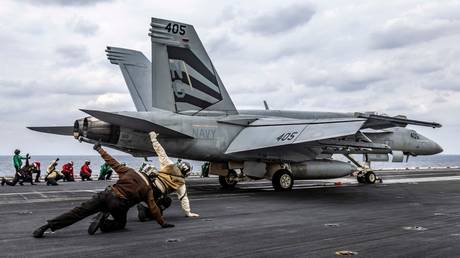
Washington, D.C. - Amidst rising tensions in the Middle East, the US is keen to avoid a repeat of the Libyan scenario in Iran, according to US envoy to NATO, Matthew Whitaker. This comes as the Trump administration ramps up pressure on Tehran, deploying significant military assets to the region.
Iran Next? NATO Fears Libya Repeat! What's the US ...
The specter of Libya, fragmented and struggling with instability since the 2011 NATO-backed intervention that removed Muammar Gaddafi, clearly looms large in the minds of US policymakers. I think, and many analysts agree, that the messy aftermath in Libya serves as a cautionary tale against ill-conceived interventions and the importance of having a clear plan for post-conflict stability.
Whitaker, speaking to Fox News, emphasized President Trump's firm stance on Iran's nuclear ambitions and its suppression of internal dissent. He stated that the ongoing military buildup, including the deployment of the USS Abraham Lincoln carrier strike group, is intended as both "a show of strength" and an "off ramp" for Iran. The envoy suggested that de-escalation could be easily achieved if Iran agrees to Washington’s demands, presumably related to a revised nuclear agreement.
“President Trump has given them an ultimatum,” Whitaker explained. “Obviously, he does not want to see this spit out of control. We don’t want to destabilize a country like Iran the way Libya was by the [Barack] Obama administration when Gaddafi was taken out and there was no plan for the day after that." It's a pointed criticism of the previous administration and a clear signal that the current one aims to pursue a different strategy, hopefully one with a more predictable and stable outcome.
He stressed the importance of judiciously using US power, suggesting a more calculated approach than some might fear. Of course, what “judicious” actually means in practice remains to be seen. While Tehran maintains that its nuclear program is strictly for peaceful purposes, these assurances haven't quelled international concerns, particularly in the US and Israel.
Adding another layer to the complex geopolitical landscape, Ali Larijani, head of Iran’s Supreme National Security Council, reported progress in potential negotiations with Washington following discussions with Russian President Vladimir Putin. The Kremlin, through spokesman Dmitry Peskov, also advocated for dialogue, warning that "any forceful actions can only create chaos in the region and lead to very dangerous consequences." It's clear everyone recognizes that the stakes are incredibly high, and a misstep could plunge the entire region into deeper turmoil.
Comments
Please sign in with Google to post a comment
No comments yet. Be the first to comment!