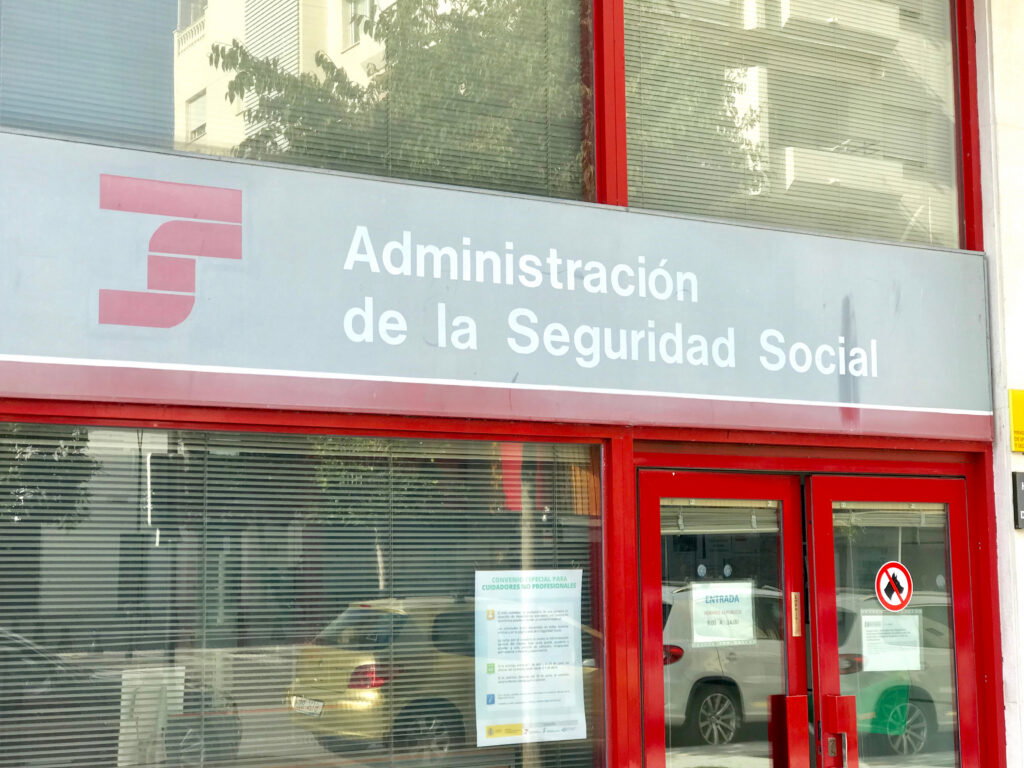
Spain has just widened its social safety net, and it could be a real game-changer for young adults struggling to make ends meet. The Spanish Social Security system announced that those aged 23 and up who are still living with their parents can now qualify for the Ingreso Mínimo Vital (IMV), the country's income support program.
Spain's Shocking Move: Will Paying Young Adults to...
This is a significant shift. The IMV, launched back in 2020, is designed to protect vulnerable residents from poverty by guaranteeing a minimum income to households without sufficient resources. I remember when it was first introduced; there was a lot of debate about its effectiveness, but it has undoubtedly become a crucial lifeline for many. In fact, sources say that it reaches nearly 2.44 million people across almost 800,000 households.
Previously, the focus was primarily on independent households. Now, the Social Security has clarified that even if you're still under your parents' roof, you can apply, provided you're not fully integrated into their economic unit. The threshold for older individuals – 31 and up – is a bit stricter, generally requiring them to have lived apart from their parents for at least a year, unless there are extenuating circumstances. It makes sense, really. It’s about recognizing that simply turning 23 doesn't magically equate to financial independence.
The government’s emphasizing that this isn't about encouraging young people to stay home forever. It’s about providing a temporary safety net – a financial cushion – while they pursue education, look for work, or navigate those tricky early years of adulthood. Let's be honest, the cost of living in Spain, especially in major cities, can be brutal. And with a challenging job market, many young adults are finding it increasingly difficult to afford their own place.
Think about it: rent, utilities, groceries – it all adds up. For many, the IMV could mean the difference between being able to afford basic necessities and falling into deeper financial hardship. It removes the pressure to rush into independent living before they're truly ready, which can often lead to even more instability. This means young people without stable employment now have a way to get money for monthly relief.
Of course, there are still requirements to meet. Applicants need to satisfy certain income and asset thresholds, prove legal residency in Spain, and fulfill other criteria set by Social Security. The amount of assistance you receive is based on the difference between your current income and the guaranteed minimum income level. Still, all in all, this policy change could have a significant positive impact on a generation struggling to find its footing in a tough economic climate.
Comments
Please sign in with Google to post a comment
No comments yet. Be the first to comment!