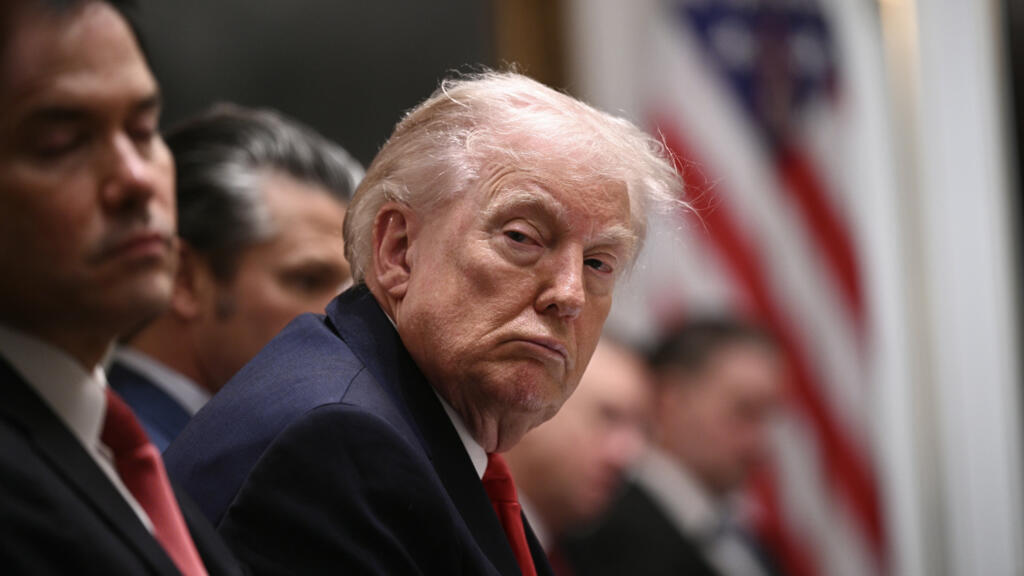
President Trump, never one to shy away from rattling sabers, has once again turned his attention to Cuba. On Thursday, he issued a stark warning: countries supplying oil to the island nation could face fresh tariffs from the United States. This isn't just a casual comment; it's a formalized threat backed by an executive order issued under a national emergency declaration. Talk about upping the ante!
Trump's Cuba Oil Threat: Will It Trigger a Trade W...
The move signals a significant escalation in the already tense relationship between the US and Cuba, a relationship that has been strained for decades. While the executive order doesn't explicitly lay out the specific tariff rates or name the countries potentially in the crosshairs, the implications are clear. It's a shot across the bow, intended to deter nations from propping up the Cuban regime by providing it with essential energy resources.
Now, the question on everyone's mind is, which countries are we talking about? Historically, Venezuela has been a key ally and oil supplier to Cuba. However, Venezuela's own economic woes and political instability have significantly impacted its ability to meet Cuba's energy demands. Russia has also been rumored as a potential supplier, and even some whispers about possible deals with Middle Eastern nations. This ambiguity is likely intentional, serving to create a chilling effect across a wider range of potential partners.
It's easy to see why Trump's administration is taking this tack. They view Cuba as a destabilizing force in the region, and cutting off its oil supply would undoubtedly put significant pressure on the government. The economic ramifications for Cuba could be severe, potentially leading to further unrest and hardship for the Cuban people. On the other hand, tightening the screws like this often has unintended consequences and could backfire, pushing Cuba further into the arms of other adversaries of the US.
Of course, the timing of this move is also interesting. With the US presidential election looming, Trump might be looking to shore up support among Cuban-American voters in key swing states like Florida. A hardline stance against Cuba plays well with this demographic, and could give him a much-needed boost. Whether it's purely strategic or genuinely driven by policy concerns, the impact of these tariffs remains to be seen. One thing's for sure: this latest development is bound to keep the geopolitical pot stirring for the foreseeable future.
Frankly, I've seen these kinds of saber-rattling moves before. While it gets headlines, the real question is whether it will actually change anything on the ground in Cuba. Only time will tell.
Comments
Please sign in with Google to post a comment
No comments yet. Be the first to comment!