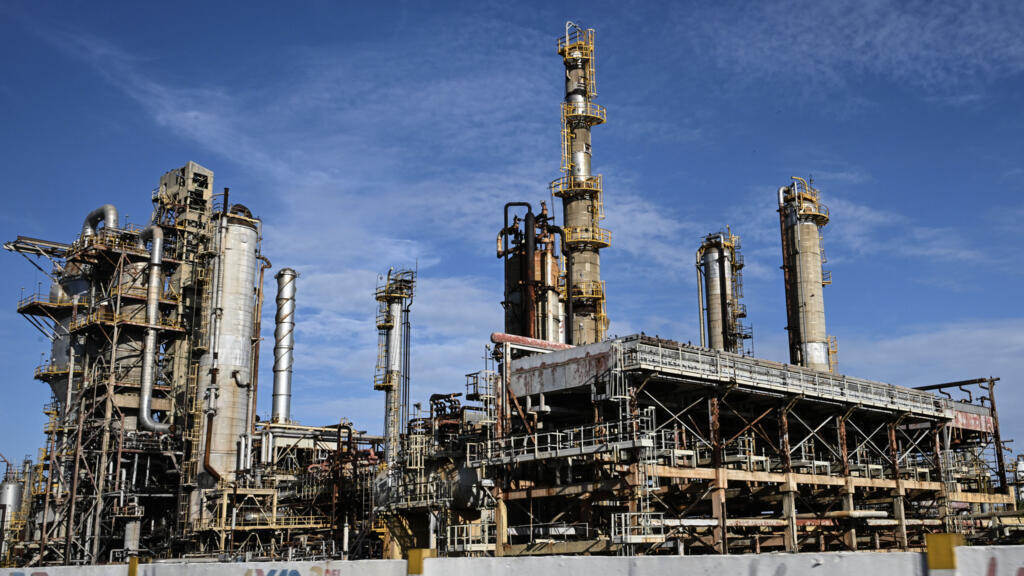
Venezuela has just made a seismic shift in its economic policy, one that could have massive repercussions for the country and the global oil market. Acting President Delcy Rodriguez signed a law on Thursday effectively opening up the country's oil sector to privatization. This move, unthinkable just a few years ago, marks a complete reversal of the socialist policies that have dominated Venezuela for the past two decades.
Venezuela's Shocking Oil U-Turn: What Will This Me...
For those of us who have been watching Venezuela closely, this comes as quite a surprise, albeit a cautiously optimistic one. The law itself was passed by lawmakers earlier in the week, paving the way for private companies to invest and operate in the country's vast oil reserves. It’s a dramatic departure from the nationalization policies championed by Hugo Chavez and continued by Nicolas Maduro, policies that many argue have crippled the nation’s oil production capabilities.
The timing of this decision is certainly noteworthy. Washington has recently eased sanctions on Venezuela, a move that could allow US firms to play a significant role in revitalizing the oil sector. Interestingly, this easing of sanctions comes just weeks after the reported seizure of President Nicolas Maduro in what some sources describe as a US military raid in Caracas. Whether or not these events are directly related, it’s hard to ignore the potential geopolitical implications. Are we witnessing a genuine shift in power dynamics within Venezuela, or is this merely a strategic maneuver?
What does this mean for the future? Well, potentially, it means a significant boost to Venezuela's economy, which has been in a state of near-collapse for years. Private investment could bring much-needed capital and expertise, leading to increased oil production and revenue. For US companies, it presents a significant opportunity to tap into one of the world's largest oil reserves. But of course, there are risks involved. Political instability remains a concern, and the legal framework for private investment will need to be robust and transparent to attract serious long-term commitments.
Ultimately, the success of this privatization effort will depend on a number of factors, including the stability of the political environment, the attractiveness of the investment terms, and the willingness of international companies to take a chance on Venezuela. This is definitely a story worth keeping a close eye on. It's more than just about oil; it's about the future of a nation and its place in the global economy.
Comments
Please sign in with Google to post a comment
No comments yet. Be the first to comment!