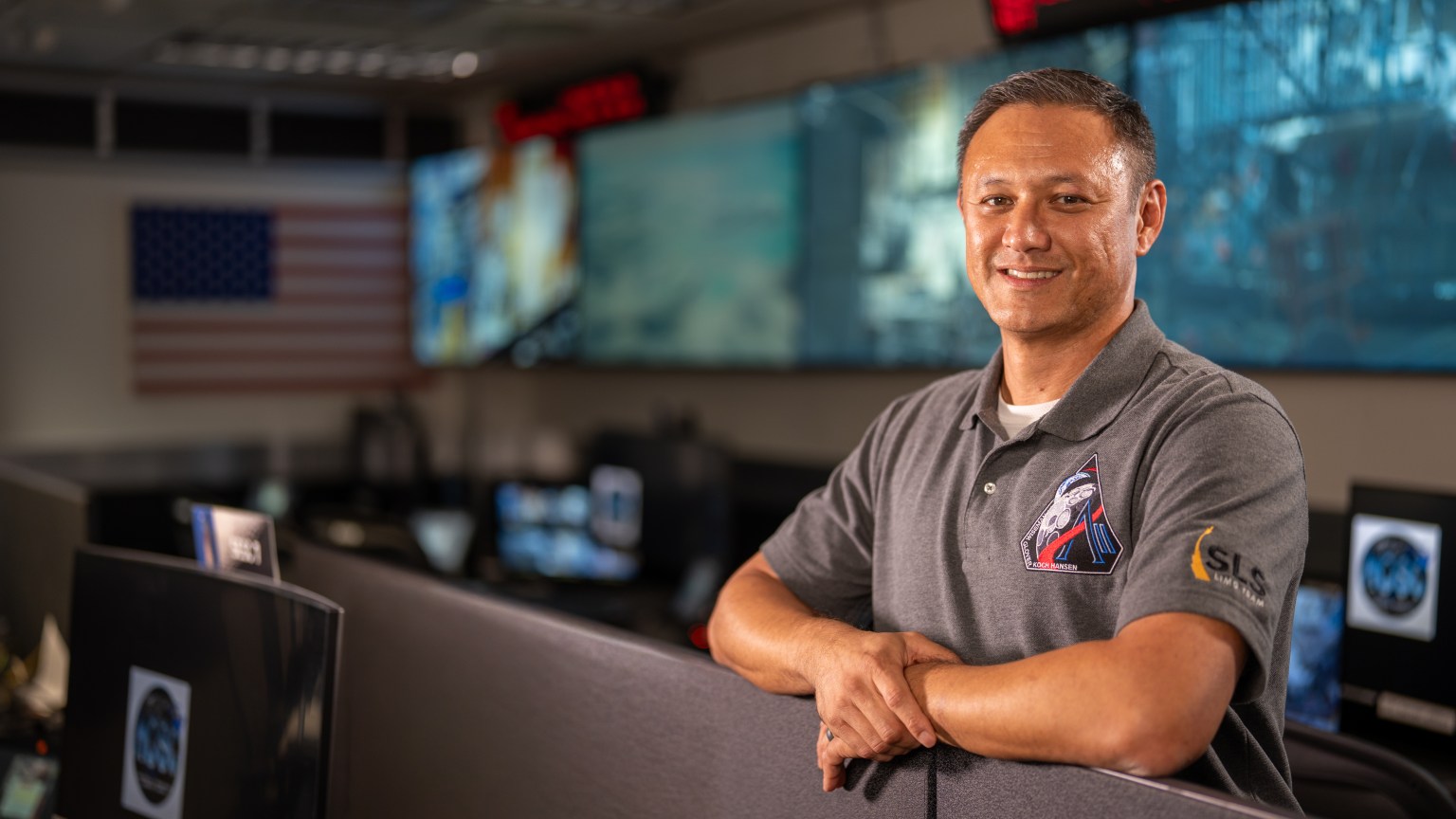
Doug Parkinson's face practically glows as he describes his journey from humble Wisconsin roots to the very heart of the team poised to land the first Artemis astronauts on the lunar surface. It's a story of passion, dedication, and a little bit of serendipity – a perfect recipe for achieving the seemingly impossible.
Doug Parkinson: "I Am Artemis" - The Shocking Trut...
Parkinson isn't just any engineer; he's NASA’s SLS (Space Launch System) rocket lead for Launch Integration and Mission Operations. Think of him as the conductor of an incredibly complex orchestra, guiding a team of engineers responsible for meticulously monitoring the SLS rocket through every crucial stage – from rigorous testing to the nail-biting moments leading up to launch and the launch itself. No pressure, right?
Following in his father's footsteps, Parkinson pursued mechanical engineering, choosing the University of Alabama in Huntsville as his academic launchpad. Interestingly, his initial interests leaned towards computer technologies or even the automotive industry. But fate, as it often does, had other plans. An unexpected opportunity to work with high-powered engines dramatically altered his course.
"I stumbled upon an opportunity to work at the Propulsion Research Center at the university, studying new propulsion technologies," Parkinson recounts. "That intrigued me because, as an undergrad, it was a chance to put into practical use what I was learning in the books and in theory. It ended up being a lot of fun and very educational. It was in cutting-edge technologies that really inspired me." It’s funny how sometimes the things we least expect become the most defining moments.
Parkinson officially joined the NASA family at Marshall Space Flight Center in Huntsville, Alabama, in 1999. There, he began diving deep into the development of advanced liquid rocket engines, including the Fastrac and J-2X engines. The J-2X, in particular, was an advanced iteration of the upper-stage engine that powered the legendary Saturn V rocket. Talk about standing on the shoulders of giants!
"In 2012, I moved to SLS. One of the things I learned in the propulsion area with all the engine testing was test operations. That translated well into my new role as operations lead for the stages element," Parkinson explains. It's a testament to how skills, even from seemingly disparate fields, can be surprisingly transferable.
Currently, Parkinson also serves as one of the SLS Engineering Support Center managers. He oversees and trains the SLS Engineering Support Team – a group operating at NASA Marshall that's absolutely vital for monitoring the rocket's systems and verifying its performance. Basically, they're the guardians of the launch, ensuring everything is go for liftoff.
Adding to his impressive resume, Parkinson holds the distinction of being the first person to occupy the Launch Integration and Mission Operations leadership position in the SLS Program. He’s truly a pioneer in this historic endeavor. "I love all aspects of the operations. I like getting my hands dirty. I like seeing the erector set go together," Parkinson says, his enthusiasm infectious.
When the Artemis II astronauts embark on their lunar flyby, soaring within a few thousand miles of the Moon's surface, they'll be riding a rocket that Doug Parkinson helped bring to life. "I have goosebumps just thinking about it," he admits, a genuine thrill evident in his voice. "I’ll be on console for part of that time, listening to what they have to say. It’s amazing to think we’re going to go do that."
Ultimately, the SLS rocket will launch NASA’s Orion spacecraft, carrying four astronauts around the Moon. This mission isn't just about a quick trip; it's a pivotal step towards scientific discovery, economic advancements, and, crucially, laying the groundwork for the first human mission to Mars. And Doug Parkinson is playing a critical role in making that happen. Now that's a story worth telling.
Comments
Please sign in with Google to post a comment
No comments yet. Be the first to comment!