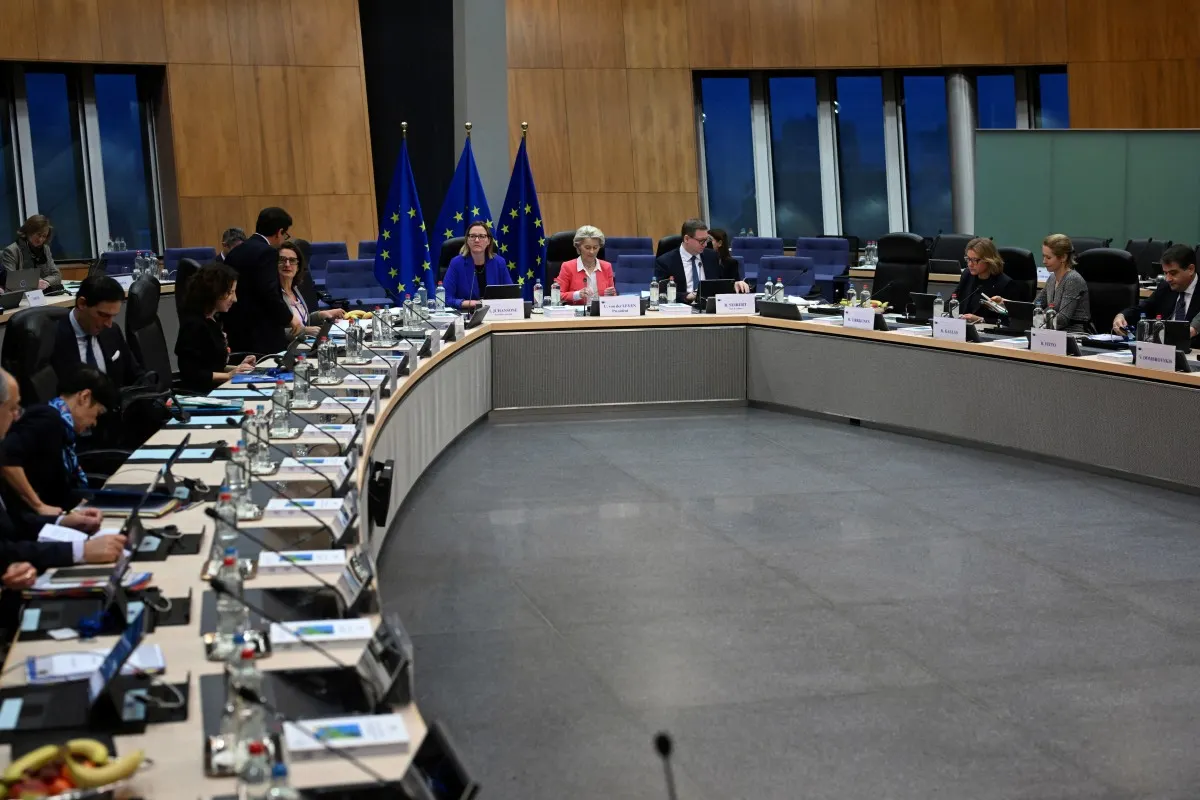
Brussels – The European Union has unveiled a rather ambitious, and potentially controversial, five-year plan to revamp its approach to Migration, focusing heavily on tightening visa rules and increasing the number of deportations. Announced Thursday, the strategy signals a decidedly tougher stance on immigration, reflecting the growing political pressure across the continent to address concerns about border security and integration.
EU Visa SHAKE-UP! Will New Deportation Policy Chan...
At the heart of the proposal is a significant overhaul of the EU's visa system. The details are still being ironed out, but the Commission is hinting at a more stringent screening process for applicants, potentially linking visa approvals to a country's willingness to cooperate on readmission agreements. In simpler terms, if a country isn't taking back its own citizens who are ordered to leave the EU, it might find it harder for its citizens to get visas in the first place. It's a pretty blunt instrument, really, but that's the direction things seem to be heading.
Perhaps even more contentious is the plan to ramp up deportations. For years, the EU has struggled to effectively return individuals who have been denied asylum or who are residing in the bloc without proper authorization. The new strategy aims to address this "return deficit," as they call it, through a combination of measures. These include increased funding for Frontex, the EU's border agency, to support return operations, as well as efforts to negotiate more readmission agreements with countries of origin. They are really going to put some effort into ensuring countries accept those who are ordered to leave.
Now, while proponents argue that these measures are necessary to maintain control over borders and ensure the integrity of the asylum system, critics are already raising serious concerns. Human rights organizations are warning that a focus on deportations could lead to violations of international law and the separation of families. They also argue that stricter visa rules could disproportionately affect vulnerable individuals seeking protection. There is that worry, of course. There is a very real risk that we might make it more challenging for genuine refugees to find safety and security.
The plan is still in its early stages, and it will need to be debated and approved by both the European Parliament and the Council of the EU – which means member states. Given the diverse views on migration within the EU, it's safe to say that this is going to be a long and bumpy road. Expect plenty of heated discussions and political maneuvering in the months ahead. The political landscape is definitely shifting, and this strategy reflects that shift, for better or worse, depending on your perspective.
Comments
Please sign in with Google to post a comment
No comments yet. Be the first to comment!