Storm Kristin's Fury Exposes Flaws in Spain's New Emergency Beacons
V16 Beacons FAIL in Snow! Are Drivers REALLY Safe ...
By Farah Mokrani • Published: January 29, 2026 • 11:21 AM • 2-minute read
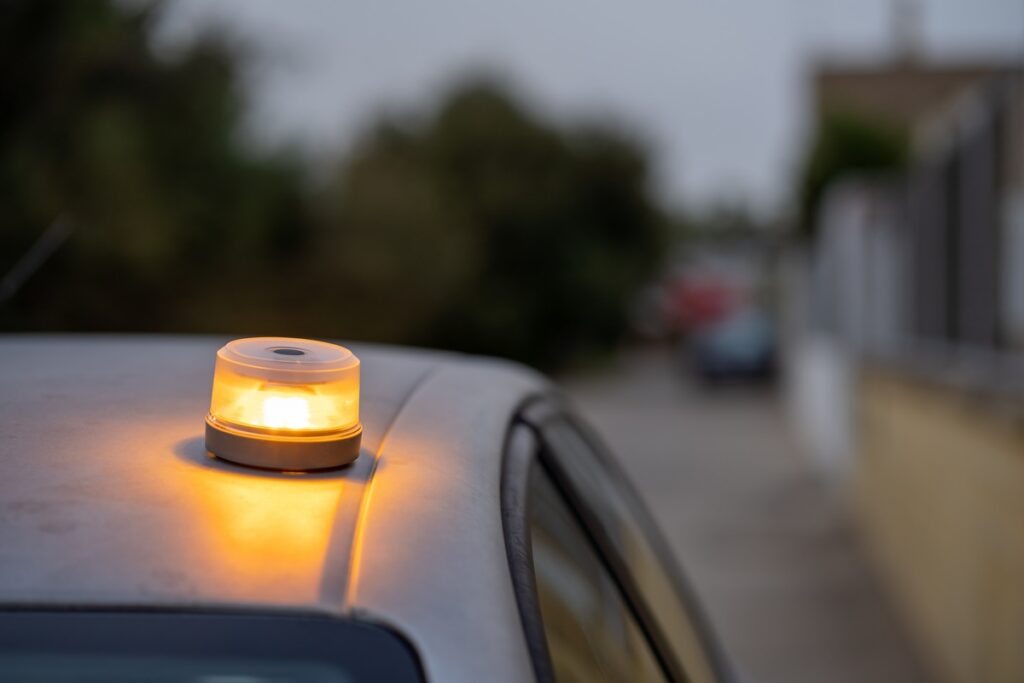
Storm Kristin's impact on Spain this week went way beyond just snow, rain, and the usual traffic headaches. It actually highlighted a pretty critical vulnerability in the nation's brand-new V16 emergency warning Beacons. You know, the ones everyone was supposed to be using by now?
These beacons, mandatory since the start of the year, were supposed to replace those clunky old warning triangles. The idea was a flashing amber light, visible from up to a kilometer away, would be a much safer and more effective warning system. Sounds good on paper, right? Well, as accidents surged on snow-covered roads this week, especially in areas that weren't even expecting heavy snowfall, drivers started reporting serious issues with how well these beacons were actually performing. And honestly, I can see why.
The main problem seems to be the beacon's visibility, or lack thereof, in bad weather. Drivers are saying it's tough to spot the light on bends, in fog, during snowfall, or even just in broad daylight with a lot of glare from the snow. I mean, think about it: heavy snowfall can quickly cover the thing up, burying it completely in minutes. That renders the beacon completely useless. This is especially worrying in mountainous areas, where breakdowns are more common, traffic is lighter, and the weather tends to be much worse. You really need a reliable warning system in those situations.
And it's not just the visibility. Battery life is another big concern. Regulations say these beacons need to operate continuously for at least 30 minutes and have a lifespan of at least 18 months. But guess what? Cold weather absolutely destroys battery performance. Some drivers reported that their beacons, even with supposedly fully charged batteries, only lasted about 15 minutes in the freezing conditions – definitely not enough time when you're stranded on icy roads waiting for help. I've been there myself, and trust me, waiting even 15 minutes feels like an eternity.
Manufacturers are quick to point out that the devices are designed to work in temperatures between -10°C and 50°C. Fine, but those temperatures aren't exactly uncommon in the mountainous regions of Spain, especially during a storm like Kristin! It feels like these devices were tested in a lab somewhere, not in real-world winter conditions.
Honestly, Storm Kristin has really thrown the V16 beacons under the spotlight. In the very conditions where you need a warning device the most – snow, cold, poor visibility – these V16 beacons seem to be failing. For a lot of drivers, this week's chaos has raised some pretty serious questions. Can a device that struggles so much in winter really replace the good old, reliable warning triangle when it really counts? It's a question worth asking, and one that regulators need to address, fast.
Comments
Please sign in with Google to post a comment
No comments yet. Be the first to comment!