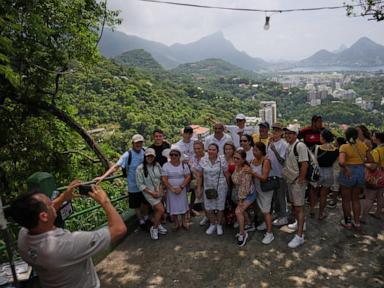
Rio's Favelas are buzzing, but not just with the usual samba rhythms and bustling daily life. A new kind of energy is palpable: tourism. Forget just Copacabana and Christ the Redeemer; a growing wave of visitors is venturing into these vibrant, often misunderstood communities seeking a truly authentic slice of Rio de Janeiro.
Rio's Favelas: Tourists Flock In! What Happens Nex...
This shift is being fueled, in part, by local residents themselves. Take Vitor Oliveira, for example. Once a motorcycle taxi driver navigating the labyrinthine streets of Rocinha, Rio’s largest favela, he spotted an opportunity. He saw the growing number of international faces and decided to offer tours. Now, tourism is his primary income source, a testament to the changing landscape of the city.
The numbers don’t lie. Rio de Janeiro saw a whopping 12.5 million tourists in 2025, including 2.1 million international visitors, according to city officials. That’s a staggering 44.8% jump in international tourists compared to the previous year! This influx generated a cool 7.8 billion reais ($1.5 billion) for the city’s economy. And a significant portion of that is finding its way into the Favelas, thanks to entrepreneurs like Oliveira.
I recently saw Oliveira in action in Rocinha, leading a small group of tourists from Chile and France through the favela’s narrow, winding alleyways. He was guiding Oscar Jara from Paraguay, and his nephew, José Martínez. It was a weekday, yet the streets were alive with activity, a mix of residents going about their day and curious travelers soaking it all in.
Oliveira passionately believes that limiting your Rio experience to just the standard tourist hotspots is a disservice. "To come to Rio and only visit Copacabana Beach, Christ the Redeemer, and Sugar Loaf Mountain is to miss the essence of Rio," he told me. "Rio's essence comes from the favelas." He's got a point. The favelas are where the true pulse of the city beats, raw and unfiltered.
Rocinha, perched dramatically on a hillside, offers breathtaking panoramic views of Rio’s iconic landmarks. Oliveira’s tours typically start with these stunning vistas, before diving into the cultural heart of the favela. He takes visitors to capoeira performances, art galleries, and even offers the option of ending the tour with a traditional Brazilian barbecue on his own balcony – a truly immersive experience.
It's not just about the existing attractions either. The rise in tourism has spurred the creation of new businesses. Think bars with balconies offering stunning views, and even homes renting out scenic viewpoints perfect for selfies. Some are even offering drone video recording services to capture the favela experience from above! Social media, particularly viral videos created by influencers, has played a huge role in driving this trend.
Jara, the tourist from Paraguay, confirmed this, explaining that viral videos gave him the confidence to visit without fear. He specifically sought out Oliveira after seeing one of his videos. "It's very authentic tourism...not tidied up for tourists, not arranged to show something superficial," he said.
However, it's important to remember that this isn't just about snapping pictures and sipping caipirinhas. Cosme Felippsen, another tour guide working in Morro da Providencia and Rocinha, emphasizes the importance of responsible tourism. "We're going to bring people to raise awareness, to tell the history of these territories through the eyes of the residents," he explained. It’s about understanding the complexities and challenges faced by these communities, not just treating them as a backdrop for a vacation photo.
Comments
Please sign in with Google to post a comment
No comments yet. Be the first to comment!