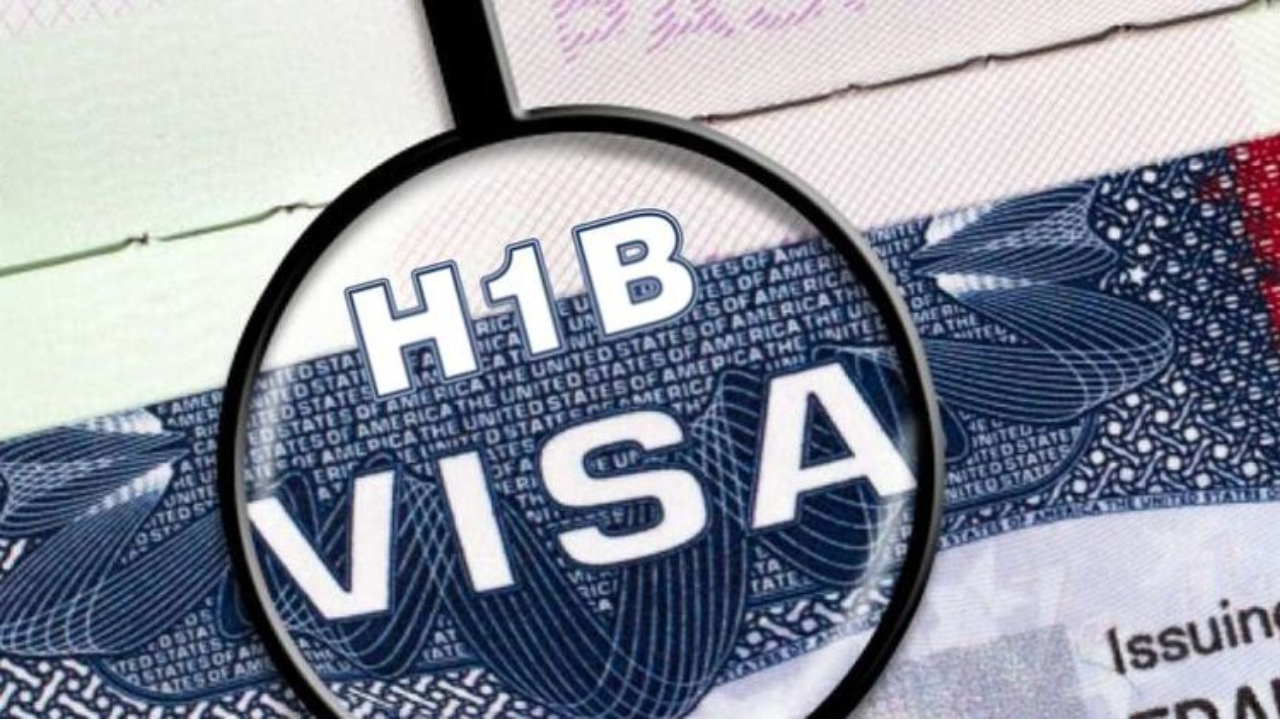
Texas just threw a wrench into its healthcare system, and the consequences could be dire for patients. Governor Greg Abbott has ordered a freeze on new H-1B visa hires at state agencies and universities until May 2027, a move that’s already sending shockwaves through the medical community. The stated reason? To prioritize jobs for American workers and crack down on alleged "abuse" within the H-1B program.
Texas H-1B Freeze: Will Cancer Patients Suffer?! H...
This isn't just some bureaucratic shuffle. This decision directly impacts hospitals and research institutions that rely on highly specialized foreign-born physicians, doctors, and researchers. Think about it: cutting-edge medical centers often depend on talent from around the globe. These aren't entry-level positions; we're talking about experts in their fields, individuals with skills that are desperately needed.
The reaction has been swift and largely negative from those in the know. Connor O’Brien, a policy researcher at the Institute for Progress, didn’t mince words on X, formerly Twitter. "This ban covers the MD Anderson Cancer Center, arguably the best cancer hospital in the world," he wrote. "Bowing to the mob here means hurting cancer patients in Texas and across America. Crazy." It's a stark assessment, and one that resonates with many who fear the impact on patient care.
And it’s not just cancer care that’s at risk. John Soriano, an economics professor at the University of Dallas, pointed out the timing couldn't be worse, hitting right in the middle of hiring season for new PhDs – a demographic that heavily relies on H-1B visas. The University of Texas and Texas A&M systems, world-renowned research hubs, are going to feel this sting, no doubt.
Krutika Kuppalli, a global health expert and infectious disease physician, highlighted the already existing healthcare workforce shortages. "Freezing new H-1B visas in #Texas is short-sighted," she tweeted, emphasizing the reliance of public universities and health systems on these visas to recruit vital personnel. Her conclusion is bleak: "This will worsen staffing gaps, slow research, and harm patients—especially in underserved communities. This doesn’t protect Texans. It weakens Texas healthcare."
While the debate over H-1B visas often frames it as American jobs versus foreign workers, the reality in healthcare is far more nuanced. It's about access to specialized care, maintaining research capacity, and ultimately, the well-being of patients. It seems this policy decision, while perhaps well-intentioned, might have some unintended and devastating consequences for Texas' healthcare system.
Comments
Please sign in with Google to post a comment
No comments yet. Be the first to comment!