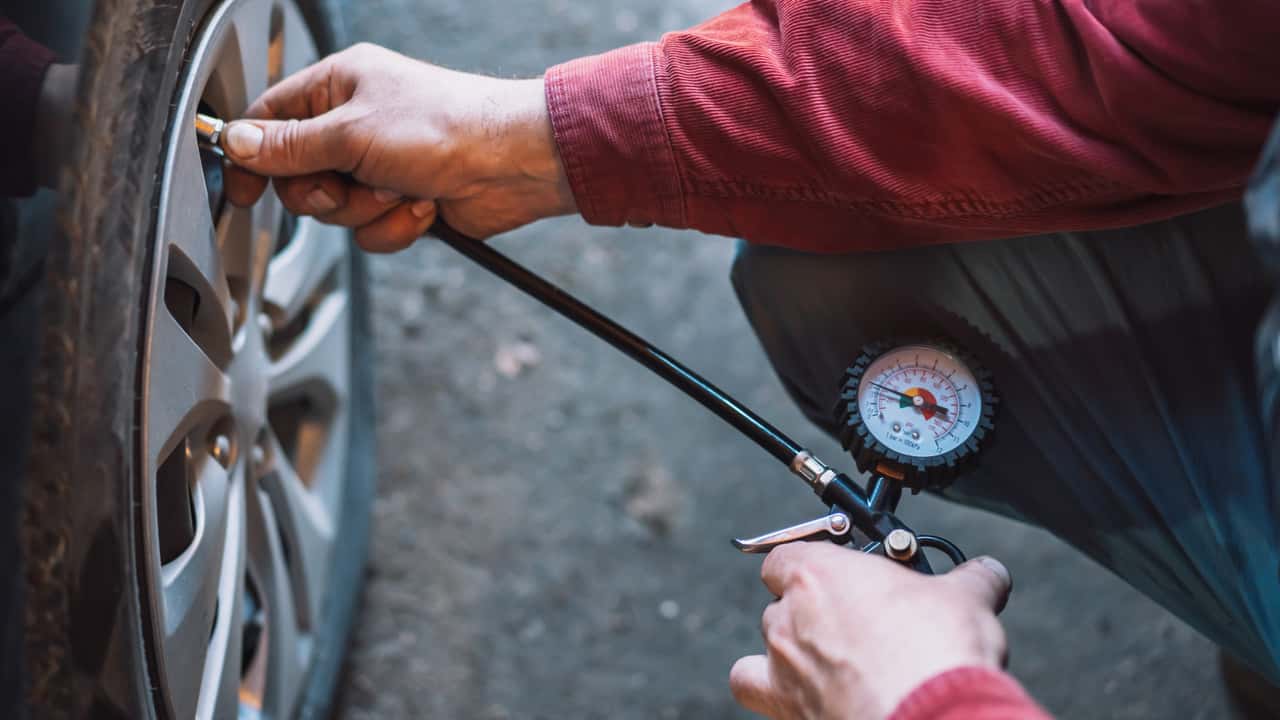
Winter driving can be treacherous, and while most of us remember to swap out our tires for winter ones, there's a crucial aspect often overlooked: tire pressure. Erdal Kurt, Secretary General of LASİD, is keen to remind drivers that maintaining correct tire pressure in those winter tires is paramount for safety. I've seen firsthand how a seemingly small difference in pressure can affect handling on icy roads, and it’s definitely not something to ignore.
Winter Tire Pressure SECRETS! Are YOUR Tires Ready...
A common and dangerous misconception, according to Kurt, is that tires should be intentionally underinflated when driving in snowy conditions. "Some drivers venture onto the roads in winter conditions without ensuring adequate tire pressure," he stated. "A misconception exists among some drivers that tires should be underinflated on snowy roads. However, tire pressure decreases as air temperature drops. Therefore, it is crucial not to reduce tire pressure in cold weather, especially on snowy and icy roads." In fact, dropping the pressure intentionally is a recipe for disaster.
Kurt emphasizes that underinflated tires significantly reduce road grip and overall vehicle control. Imagine trying to navigate a slippery surface with shoes that don't quite fit – that's essentially what you're doing with underinflated tires. The consequences can range from minor skids to serious accidents.
Beyond safety, proper tire pressure has numerous benefits. "Correct tire pressure is a cornerstone of safe driving," Kurt explains. "When your tires are properly inflated, the risks of losing control, skidding in corners, and hydroplaning are reduced. Proper pressure also prevents premature tire wear and irreversible damage to the tire's internal structure. Furthermore, correct tire pressure contributes to fuel efficiency." It's a win-win situation: safer driving and better fuel economy. Who wouldn't want that?
So, how do you ensure your winter tires are correctly inflated? Kurt offers a few key steps. "For every 10-degree drop in air temperature, tire pressure decreases." This is why regular monitoring is crucial, especially during the colder months. Don't rely on guesswork! He also stresses the importance of finding the correct pressure for your specific vehicle and tire type, which can typically be found on a sticker inside the driver's side door, in the glove compartment, or on the fuel filler flap. Finally, Kurt recommends checking your tire pressure, including the spare, every 15 days and before any long journey. Taking a few minutes to check can potentially save you from a dangerous situation – and maybe even a hefty repair bill down the line.
Comments
Please sign in with Google to post a comment
No comments yet. Be the first to comment!