**CNA Explains: Why did the US dollar fall – and how much did the yen really matter?**
Dollar DIVE! Yen's Secret Role in Shocking US Curr...
The dollar's been taking a bit of a beating lately, and a lot of folks are scratching their heads trying to figure out why. Turns out, it's not just one thing, but a combination of factors swirling around Washington's policy decisions and a general unease among investors about U.S. assets. Think of it like a perfect storm brewing in the financial world.
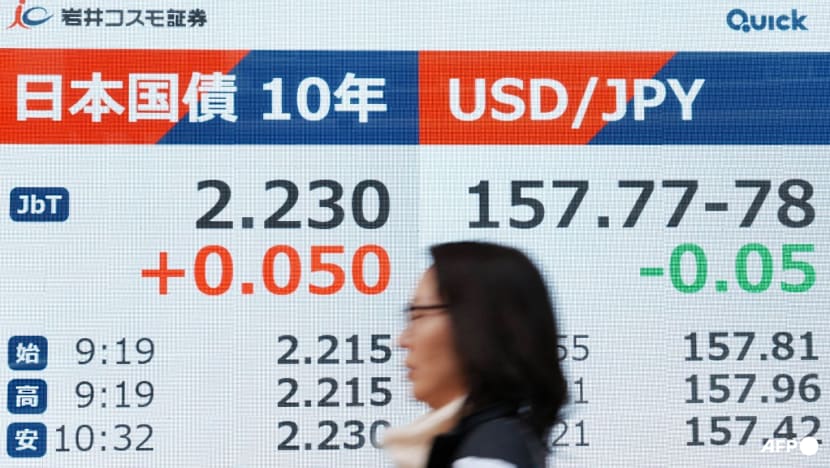
Of course, the talk about the U.S. and Japan possibly stepping in to prop up the yen definitely added fuel to the fire on Monday, causing ripple effects across Asian currencies. Everyone was watching to see if the rumors would actually turn into reality. Currency markets can be incredibly sensitive to this kind of speculation, and this time was no exception.
Then you had President Trump's comments on Tuesday dismissing the dollar's slide, which, if anything, just pushed the greenback further down – hitting a four-year low against a basket of other currencies. It's like he poured gasoline on a small ember. Statements from high-ranking officials can have a significant impact, especially when they seem to downplay concerns about a weakening currency.
Now, let's talk about the yen. According to Sim Moh Siong, a currency guru over at Bank of Singapore, the yen has been lagging behind other major currencies, particularly after Prime Minister Sanae Takaichi took office towards the end of 2025. Takaichi's been quite vocal about her desire for massive government spending to jumpstart the economy. A bold plan, no doubt, but one that carries potential risks.
In fact, just last December, Japan's government greenlit a whopping 122.3 trillion yen budget, a record-breaker, to cover everything from increased defense spending to tackling rising social security costs. It's a lot of money, and the concern is that this could put pressure on the Bank of Japan to keep interest rates super low to support all that government spending, explained Mr. Sim. And as we know, lower interest rates tend to weaken a currency, making it less attractive to investors.
Here's where things get interesting. Mr. Sim pointed out that all this fiscal and political maneuvering has kinda messed with the usual relationship between the yen and the dollar. Normally, you'd expect the yen to strengthen when U.S. interest rates fall relative to Japan's. "But despite the U.S. interest rates falling relative to Japanese interest rates, the yen has been weak," he observed. It's a distortion of the typical market dynamics, to say the least.
Adding to the complexity, a weak yen is a politically touchy subject in Japan, especially with elections looming on Feb. 8. "A weak yen is politically unpopular given that it is seen as contributing to rising inflation… or rising costs of living in Japan," Mr. Sim noted. Nobody wants to see their cost of living go up.
Jeff Ng, head of Asia macro strategy at Sumitomo Mitsui Banking Corporation, emphasized that the yen’s position within the dollar index, Japan’s significant economic role, and the sheer volume of dollar-yen trading make it a currency pair that everyone’s watching like a hawk. The mere suggestion of intervention sent the dollar tumbling against the yen. It shows just how intertwined these economies really are.
Mr. Sim also highlighted the fact that the markets seemed to take the intervention rumors especially seriously because they hinted at coordination between Japan and the U.S. – something that doesn't happen every day. That’s certainly spurred theories that Washington...
Comments
Please sign in with Google to post a comment
No comments yet. Be the first to comment!