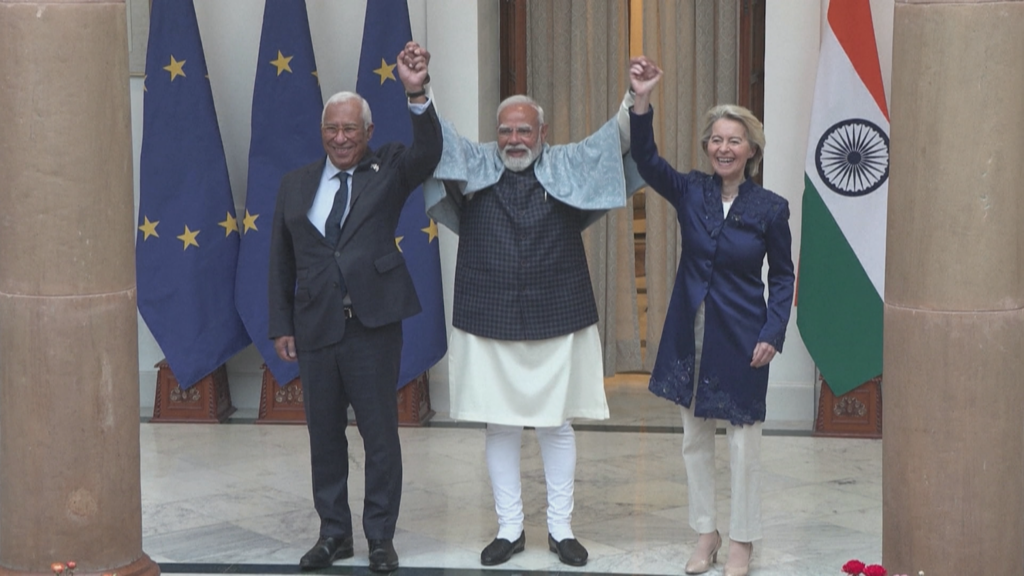
EU and India have finally shaken hands on a massive trade deal, one that promises to reshape economic ties between the two giants. Dubbed the "mother of all deals" by some commentators, the agreement aims to slash or eliminate tariffs on a wide swathe of goods flowing between the European Union and India. Think boosted exports, cheaper imports, and generally a whole lot more trade activity. That's the headline, anyway.
EU-India Trade Deal SHOCK: Farmers Devastated! Wha...
But, as always, the devil's in the details. While the fanfare focuses on the broad strokes, a crucial detail lurks beneath the surface: the exclusion of politically sensitive agricultural products. What exactly does that mean? Well, it suggests that certain agricultural sectors, likely those heavily protected by either the EU or India (or both!), have been deliberately shielded from the full force of tariff reductions. We're probably talking about things like dairy, certain meats, and perhaps specific types of fruits and vegetables – the kinds of products where domestic farmers feel particularly vulnerable to competition from abroad.
Why the exclusion? Politics, plain and simple. Agricultural lobbies are powerful, and governments on both sides of the negotiating table likely faced intense pressure to protect their farmers from potential disruption. Imagine the uproar if cheap Indian rice flooded the European market, undercutting local producers. Or vice-versa with, say, European cheeses making it even harder for Indian dairy farmers to compete. These are the kinds of scenarios that can trigger protests and political backlash, so it's no surprise that negotiators chose to tread carefully. I've seen this kind of thing happen time and time again; it's a classic trade-off between economic gains and political realities.
It raises some interesting questions, though. How significant are these exclusions? Will they significantly dampen the overall benefits of the trade deal? And will they remain in place permanently, or could they be revisited in future negotiations? These are all things to watch out for as the agreement rolls out. Trade deals are never simple, and the EU-India accord is no exception. We will be following this story closely.
On a slightly different note, but sticking with the theme of innovative solutions, I wanted to quickly mention something interesting happening in Cyprus. Fishermen there are getting creative in their battle against invasive fish species – they’re catching them and then selling them to restaurants! It's a clever way to turn a problem into a potential opportunity, both reducing the invasive species population and creating a new source of income. A delicious kind of problem-solving, if you ask me. More on that in a future segment!
Comments
Please sign in with Google to post a comment
No comments yet. Be the first to comment!