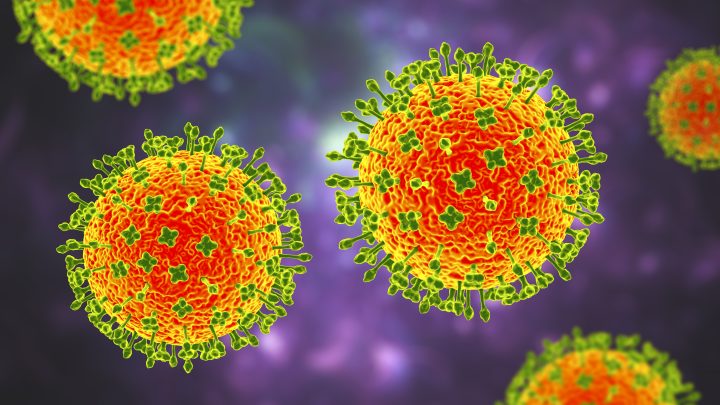
A new Nipah virus outbreak in West Bengal, India is understandably sending ripples of concern across Asia. We're talking about a virus with a frightening mortality rate, reported to be anywhere from 45 to 75 percent, and currently, no vaccines or specific treatments available for either humans or animals. This is not a situation anyone wants to find themselves in.
Nipah Virus Outbreak! Critical Warning Issued - Ar...
The Times of India reports that around 100 people have been quarantined in Kolkata, and others are hospitalized. This outbreak has already led to five confirmed infections, including, worryingly, some medical personnel. As a result, airports in Thailand that receive flights from West Bengal have started screening passengers upon arrival as a precautionary measure. Nepal has followed suit, initiating screenings at Kathmandu airport and its land border crossings with India. It's a stark reminder of how quickly these things can spread.
So, what exactly *is* Nipah virus? The World Health Organization (WHO) explains that it's a virus that can be transmitted in a variety of ways. Fruit bats are a major culprit, but it can also spread through contaminated food and even direct human-to-human contact. The range of potential infections is broad, from completely asymptomatic cases to acute respiratory illness and, the most feared, fatal encephalitis, which is inflammation of the brain.
While Nipah outbreaks haven't been widespread historically, the fact that it can infect so many different animals and cause severe illness and death in humans is what makes it such a significant public health threat, according to the WHO. Symptoms can start with respiratory problems like shortness of breath and coughing, potentially escalating to pneumonia. And then there are the neurological symptoms – dizziness, drowsiness, altered consciousness – which can be indicators of a more serious infection, potentially leading to seizures, coma, and ultimately, respiratory failure. It's a terrifying progression.
The incubation period is thought to be between four and 14 days, although the WHO has documented cases with incubation periods extending as long as 45 days. That extended window makes tracking and containment efforts all the more challenging, doesn’t it?
There is some good news, though. Researchers at the University of Oxford, working alongside the International Centre for Diarrhoeal Disease Research, Bangladesh, launched a phase two clinical trial in December 2025 for a Nipah virus vaccine. They're testing it on 306 healthy participants aged 18 to 55. Let's hope that this leads to some much-needed preventative measures.
While most people who survive acute encephalitis recover fully, the WHO points out that a significant percentage experience long-term neurological problems. Around 20 percent of recovered patients are left with residual neurological symptoms like seizure disorders, and some even experience personality changes. In a small number of cases, patients can relapse or develop delayed-onset encephalitis. It's a sobering reminder that even surviving the initial infection doesn’t necessarily mean a return to normalcy.
Currently, the primary treatment for Nipah virus infection is supportive care. The WHO has rightly designated the virus as a "priority disease" and has called for "urgent need for accelerated research and development." This is a fight we need to win, and quickly.
It’s worth remembering that in 2018, at least three people in southern India, all from the same family, died after contracting Nipah. The virus was first identified during an outbreak in Malaysia in 1999. Since then, outbreaks have been reported in various parts of South Asia, including Singapore. Let's hope that heightened awareness and preventative measures can help contain this latest outbreak and prevent further spread. It's a worrying situation, but hopefully, proactive measures will make a difference.
Comments
Please sign in with Google to post a comment
No comments yet. Be the first to comment!