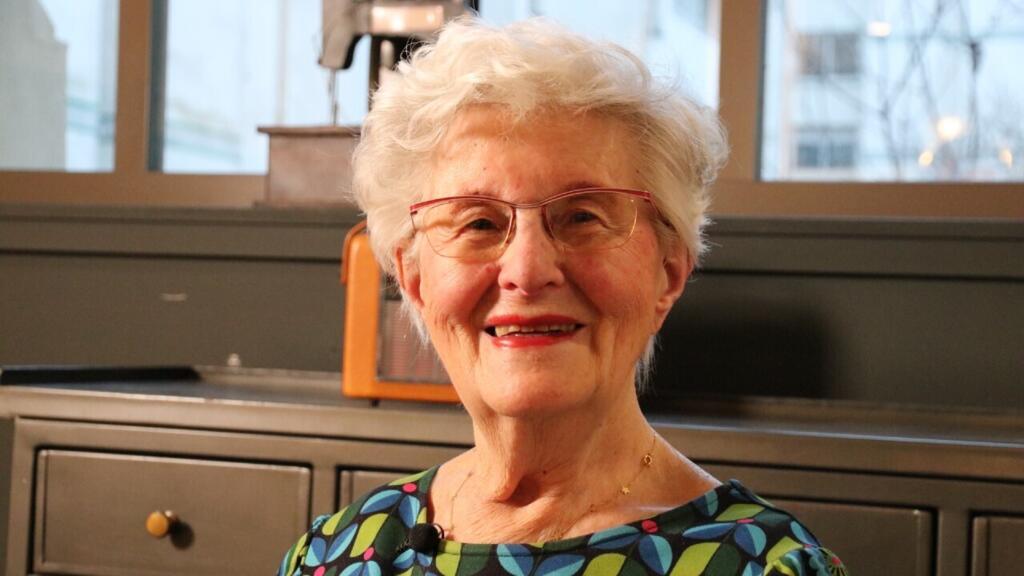
Lili Keller-Rosenberg, a 93-year-old Holocaust survivor, is a force of nature. For over forty years, she's dedicated her life to a mission that demands immense strength and courage: bearing witness to the horrors she endured during World War II and sharing her story with future generations. It's a testament to the resilience of the human spirit, isn't it? FRANCE 24 recently spoke with her in commemoration of International Holocaust Remembrance Day, highlighting her incredible dedication.
93-Year-Old Survivor's Final Wish: You Won't Belie...
Born into a French Jewish family with Hungarian roots, Lili's childhood was shattered when she was captured in Roubaix at the tender age of 11. Imagine, at just eleven years old, facing such unimaginable terror. This marked the beginning of a nightmare. She was deported to the notorious Ravensbrück and Bergen-Belsen concentration camps. These weren't just prisons; they were death factories.
The details, of course, are harrowing, and I can only imagine the emotional toll it takes on Lili to recount them time and time again. Yet, she persists. She survived, against all odds, alongside her mother and two younger brothers. That survival, I suspect, fuels her unwavering commitment to ensuring that such atrocities are never forgotten, never repeated.
Keller-Rosenberg doesn't just share facts and figures; she shares her humanity. She speaks of the loss, the fear, but also of the small acts of kindness and solidarity that helped her and others cling to hope. I think that’s what resonates most with young people. It's not just about the historical event, but the human story, the emotions, the enduring need for compassion.
Her work is particularly crucial now. With each passing year, the number of Holocaust survivors dwindles. Soon, direct testimony will no longer be possible. It falls to us, and to those like Lili's "messengers of peace"—the young people she inspires—to carry the torch of remembrance. It’s a heavy responsibility, but one that we must embrace if we are to truly learn from the past and build a better future.
And honestly, after decades of sharing her story, it’s easy to see why she calls these young people her “messengers of peace.” They’re not just listening; they’re absorbing, understanding, and hopefully, internalizing the lessons of the Holocaust. They are, in effect, becoming the guardians of her memory, ensuring that her experiences, and the experiences of millions of others, are never forgotten. What a legacy.
Comments
Please sign in with Google to post a comment
No comments yet. Be the first to comment!