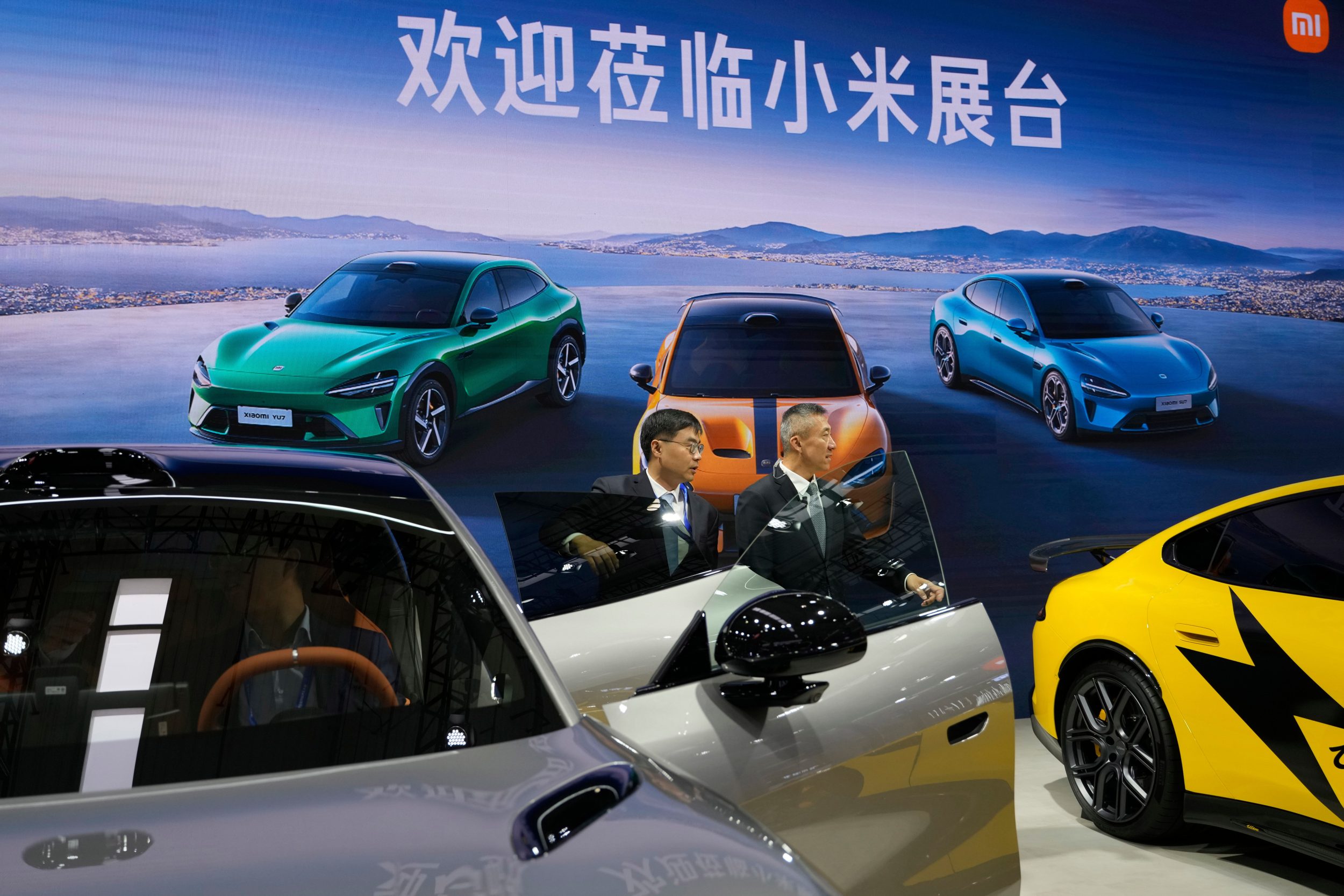
Ontario Premier Doug Ford isn't mincing words, folks. He's calling Chinese-made electric vehicles "spy vehicles," echoing worries from last year about potential cybersecurity risks. And he's not alone in his concerns, not by a long shot.
Canada's China EV Deal: Security Risk or Economic ...
Despite Canada recently lowering tariff barriers, security experts are still sounding the alarm. They argue that Chinese EVs still pose a national security threat, and honestly, it's hard to argue with their logic. This whole situation hasn’t changed since the previous government expressed similar anxieties. It's a bit like Groundhog Day, isn’t it?
The crux of the issue? A new trade agreement brokered by Prime Minister Mark Carney (yes, that Mark Carney) with Chinese President Xi Jinping. This deal allows nearly 50,000 Chinese EVs to enter Canada with a significantly reduced tariff. The trade-off? China removed tariffs on Canadian agricultural products. Sounds good on paper, maybe, but what about the bigger picture?
"When you get on your cellphone, it’s the Chinese—and I’m not making this stuff up—they’re going to be listening to your telephone conversation," Ford told a conference in Toronto last week. Now, I know some folks will dismiss that as hyperbole, but the potential for the Chinese government (or companies affiliated with them) to exploit internet-connected vehicles for data collection is a serious concern. Imagine the amount of personal information these vehicles gather – location data, driving habits, even your voice. It's a treasure trove of information.
Neil Bisson, a retired intelligence officer, brings up a different angle. He points out that these EVs become another portal into our infrastructure. “It just allows another portal into our infrastructure, both communication-wise and energy-wise, because we’ll be plugging these vehicles into our own electric infrastructure," he said. Think about it: these vehicles are connected to our power grid. The opportunities for cyberattacks are definitely there.
Carney defends the deal, saying it will make EVs more accessible to Canadians. The agreement stipulates that half the imported vehicles must cost under $35,000 by 2030. Affordability is great, but at what cost? Bisson argues that “trade has essentially trumped national security,” especially considering Carney’s push to diversify Canada's economy. More than that, we could be isolating ourselves from our closest allies, like the United States, who share similar security concerns about Chinese-manufactured EVs.
Remember back in June 2024? The Canadian government was considering matching US tariffs on Chinese EVs to prevent a flood of cheaper models. Even then-deputy prime minister Chrystia Freeland emphasized that the concerns went beyond economics. Cybersecurity experts even called these vehicles "rolling spy vans". Let's hope Ottawa is paying attention to the security risks inherent in this deal.
Comments
Please sign in with Google to post a comment
No comments yet. Be the first to comment!