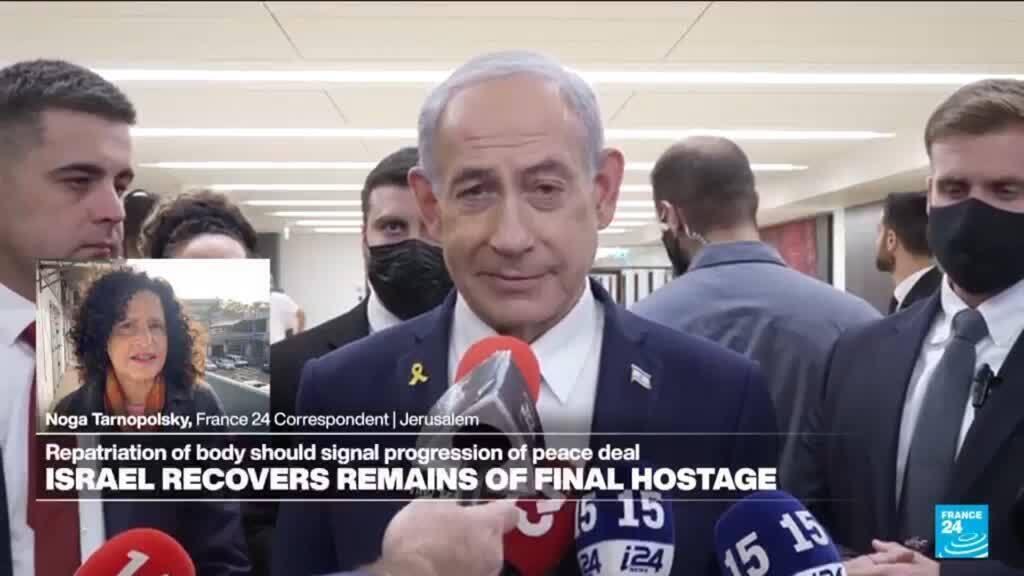
The news coming out of Israel and Gaza is, as always, a mix of hope and heartbreak. After weeks of painstaking searching, Israeli forces have recovered the remains of Ran Gvili, a police officer tragically taken hostage during the initial Hamas assault on October 7th. Gvili was the last known remaining hostage, bringing a painful closure to that chapter of the conflict. It's a moment of somber reflection, a reminder of the human cost of this ongoing crisis.
Gaza Hostage Remains Found: What Happens Next Stun...
With Gvili's remains recovered, the fragile ceasefire appears to be moving into its next phase. And "fragile" is definitely the operative word here. I've been following this situation closely, and the level of mistrust and deeply entrenched animosity is palpable. However, this progression is crucial for the long-term stability of the region, however precarious it may be.
So, what does this next phase entail? Well, according to reports, it's a multi-pronged approach focusing on both immediate relief and the daunting task of long-term reconstruction. The reopening of the Rafah border crossing is a top priority. This will hopefully allow for a significant increase in the flow of vital humanitarian aid into Gaza. We’re talking food, medicine, shelter – the basic necessities that are desperately needed by a population already reeling from unimaginable suffering.
Beyond aid, the next phase also includes facilitating travel in and out of Gaza. This is essential for people to reconnect with family, seek medical treatment, and begin to rebuild their lives. But let's be realistic, that's just the surface. The really tough stuff is still to come. Think about it: disarming Hamas, a process fraught with political and practical challenges; the gradual withdrawal of Israeli troops, a delicate dance of security and sovereignty; and, perhaps most daunting of all, the immense task of rebuilding Gaza after the devastation it has endured.
France 24's Noga Tarnopolsky aptly describes this as "a moment of inflexion for Israel." And I think she's right. This is a pivotal point, a chance – however slim – to move beyond the cycle of violence and towards a more peaceful future. But let’s not kid ourselves. The road ahead is long, arduous, and riddled with potential pitfalls. Success will require immense political will, unwavering commitment from all parties involved, and a degree of international cooperation that, frankly, has been sorely lacking up until now. It’s a long shot, but the alternative is simply unthinkable.
Comments
Please sign in with Google to post a comment
No comments yet. Be the first to comment!