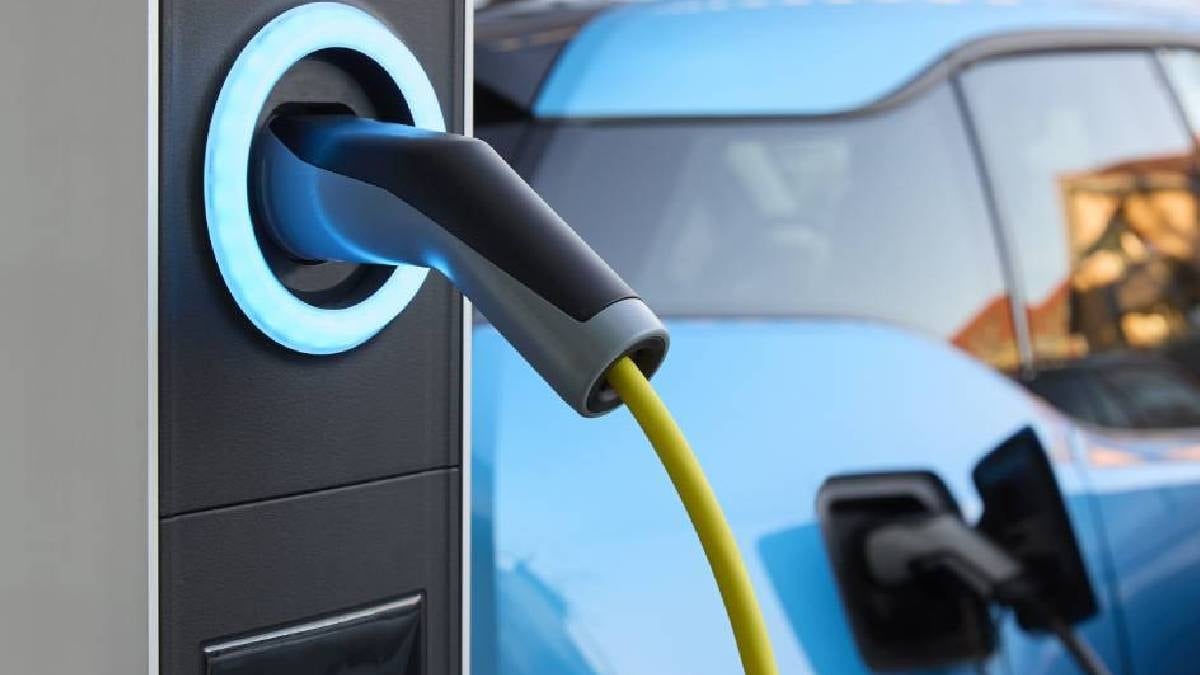
Tesla's shine seems to be fading across the pond. While Elon Musk's electric vehicle giant was practically flying off the shelves in Türkiye not too long ago, things aren't looking so rosy in the European Union. Sales figures for December 2025 paint a pretty stark picture – a whopping 31.9% year-on-year drop to just 21,485 units, according to the European Automobile Manufacturers Association (ACEA). That's a serious slump, and it's shrunk Tesla's EU market share down to a meager 2.2%.
Electric Car Sales PLUMMET in EU! What's Behind th...
This isn't just a one-off bad month either. Brace yourself, because December marked the *twelfth* consecutive month of declining sales for Tesla in the EU. Think about it – for a whole year, things have been trending downwards. Back in December 2024, they moved 31,567 vehicles. The overall picture for 2025 is even more grim: a massive 37.9% drop in sales across the EU, totaling only 150,504 units. Their market share has been almost cut in half, falling from 2.3% to a paltry 1.4%. That’s got to sting.
Okay, so maybe it's just an EU problem, right? Unfortunately, the trend extends beyond the EU borders. Including sales in the European Free Trade Association (Switzerland, Norway, and Iceland), plus the ever-interesting UK market, Tesla's total sales in December still fell by a considerable 20.2% to 35,280 vehicles. Annual sales for that broader region decreased by 26.9% to 238,656 units. It’s a definite pattern, and one Tesla can’t ignore.
So what's driving this downturn? It's complicated, but analysts are pointing fingers at a few key factors. The most prominent? Elon Musk himself. His increasingly close association with former U.S. President Donald Trump, his often… *unconventional* public behavior, and perhaps most significantly, the perception that he's aligning himself with far-right political figures in Europe are all likely contributing to the problem. Look, European consumers, generally speaking, lean center or center-left. Even if they love the tech, they may not love the politics. And when you’re buying a car, it’s a statement. It's a big purchase; it reflects your values. It seems a growing number of European drivers are deciding that a Tesla just doesn't align with theirs anymore. The question is, can Tesla turn this around? Or is this a more permanent shift in the European market?
Comments
Please sign in with Google to post a comment
No comments yet. Be the first to comment!