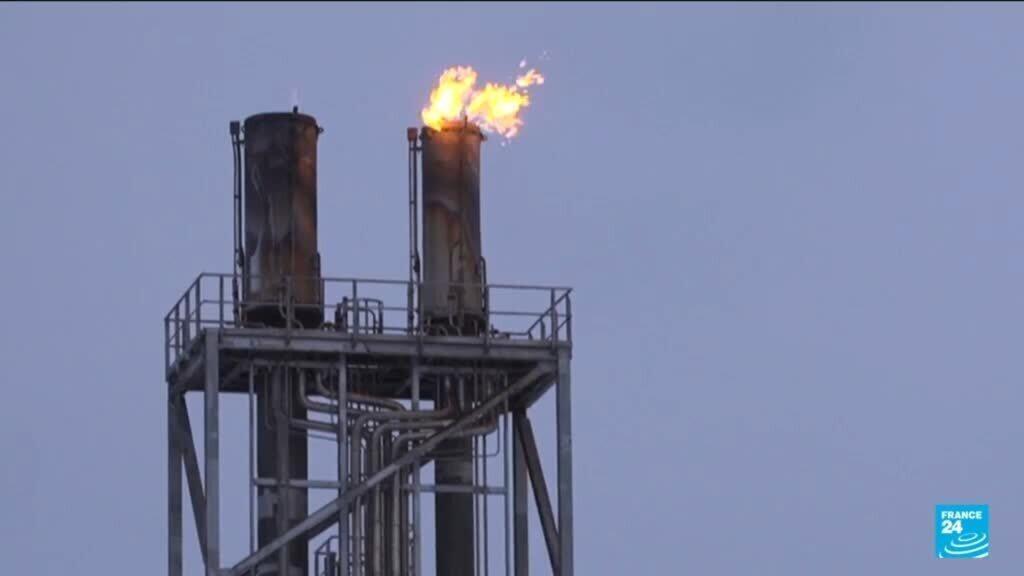
The European Union has finally, officially, slammed the door on Russian gas, a move finalized this week after years of debate and a seismic shift in the continent's energy landscape. Four years after Russia's full-scale invasion of Ukraine, EU countries have given their final stamp of approval to a plan that legally binds them to sever ties with what was once their primary gas supplier. It’s a huge moment, frankly. I remember the initial shockwaves back in 2022, the scramble to secure alternative sources, and the very real fear about keeping the lights on during the winter.
EU Cuts Russian Gas! What Happens Now Will Shock Y...
France 24's Emerald Maxwell reports that this isn't just symbolic; it's now enshrined in EU law. The goal is to completely eliminate Russian gas imports by the end of 2027. This policy puts some real teeth into what was, for a while, just a collection of pledges and aspirations. It's a testament to the EU's (sometimes frustratingly slow) ability to adapt and, in this case, present a united front against Russian aggression.
Of course, this transition isn't going to be a walk in the park. Diversifying energy sources, ramping up renewable energy production, and improving energy efficiency are all crucial pieces of the puzzle. And let's be honest, some countries are further along in this process than others. Germany, for example, was heavily reliant on Russian gas and has had to make some serious adjustments. But the commitment is there, and the funding is being allocated.
The big question now is, what's next? While gas is the immediate focus, the EU is also looking at reducing its dependence on Russia for other critical resources, like oil and certain raw materials. The war in Ukraine really exposed the vulnerabilities inherent in relying too heavily on any one country, especially one with a, shall we say, *complicated* relationship with international norms.
Furthermore, this shift has accelerated the push towards renewable energy. While the transition was already underway, the urgency created by the energy crisis has given it a serious boost. Solar, wind, and other renewables are not just environmentally sound; they're also a matter of energy security. It's a win-win, if you can get past the initial investment and infrastructure hurdles.
In conclusion, the EU's final approval of the Russian gas ban is a significant step, both politically and economically. It's a clear message to Russia and a demonstration of the EU's commitment to a more independent and sustainable energy future. The road ahead won't be easy, but the direction is set. It is also a reminder that global events can reshape even the most entrenched industries and force us to rethink our dependencies.
Comments
Please sign in with Google to post a comment
No comments yet. Be the first to comment!