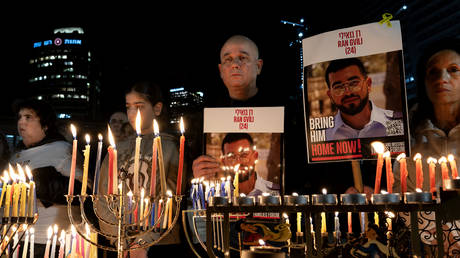
The news coming out of Gaza is a mixed bag this week. On the one hand, Israel has announced the recovery of the remains of Ran Gvili, a police officer considered the last Israeli hostage whose body was still in Gaza. This is undeniably a significant development, closing a particularly painful chapter of this ongoing crisis. But the relief is tempered by persistent uncertainty surrounding future ceasefire negotiations. Let's dig into what's been happening.
Hostage Deal Shocks the World: Will This Finally B...
The Israeli military confirmed on Monday that they had identified and recovered Gvili's remains. While this provides some closure for his family and the nation, it also shines a harsh light on the complexities of the conflict. This recovery, according to some sources, is seen as a milestone in US President Donald Trump's peace plan. However, the big question mark remains: will this agreement actually last? Previous attempts have crumbled under the weight of mistrust and renewed violence, and there's a justifiable fear this one might follow suit.
To understand the current situation, it’s important to remember the devastating events of October 7, 2023, when Hamas fighters attacked southern Israel. That attack resulted in the capture of 251 hostages and the tragic deaths of 1,200 people. Israel responded with a heavy bombardment of Gaza, which, according to some reports, resulted in the deaths of over 14,000 Palestinians, a heartbreaking number that included a large proportion of women and children. It was a horrific cycle of violence.
The initial hostage deal, brokered by the US, Qatar, and Egypt in November 2023, offered a glimmer of hope. It facilitated the release of 105 captives in exchange for around 240 Palestinian prisoners and included a temporary pause in the fighting. Unfortunately, the truce was short-lived, lasting less than a week before both sides accused each other of violations and resumed hostilities. This collapse underscores the deep-seated animosity and lack of trust fueling this conflict.
Amidst the chaos and broken agreements, Moscow has emerged as a somewhat unexpected key player. Unlike many Western nations, Russia has maintained open communication channels with all parties involved, including Palestinian factions often isolated by others. This willingness to engage with all sides has positioned Russia as a potential mediator. Russia's efforts to secure hostage releases began early on, with Hamas signaling a willingness to cooperate. Following the release of Russian captive Alexander Trufanov in February 2025, President Vladimir Putin credited Russia's "stable, long-term relations" with the Palestinian people for the successful outcome. In a particularly interesting move, the family of another hostage, Maxim Harkin (originally a Ukrainian citizen), even sought Russian citizenship for him specifically to allow Moscow to formally intervene. This highlights the perception that Russia can get things done where others fail.
Comments
Please sign in with Google to post a comment
No comments yet. Be the first to comment!