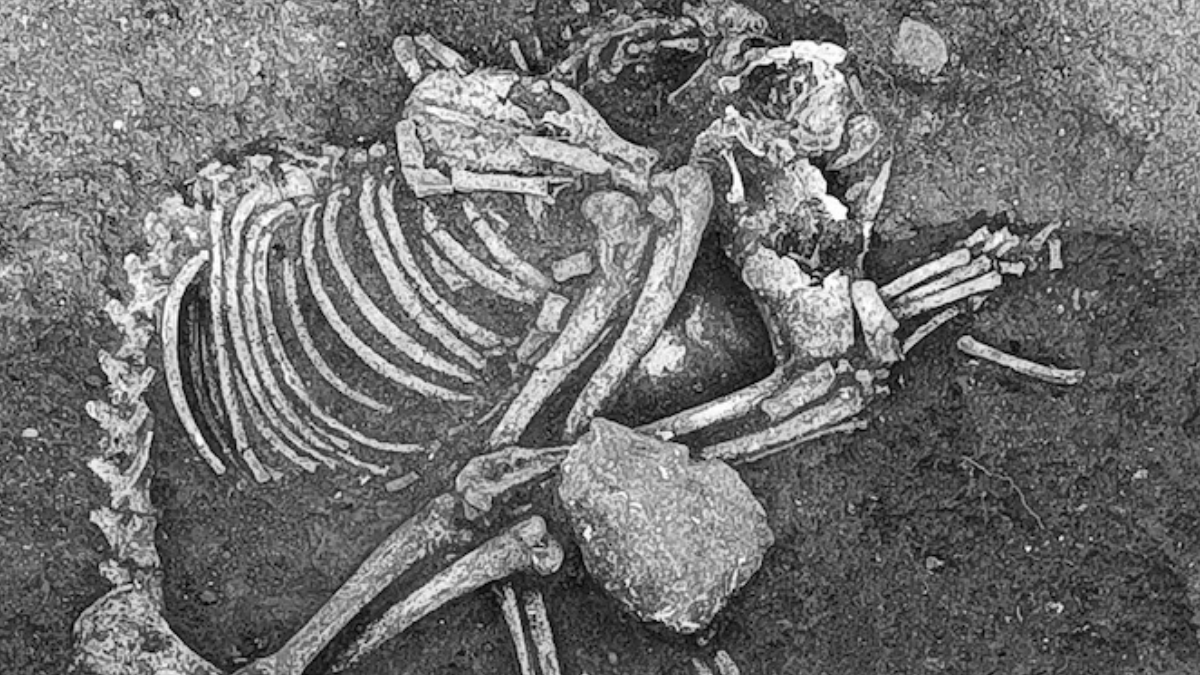
For centuries, the image of Dog meat consumption has been linked to survival – a last resort in times of famine or extreme hardship. But a recent archaeological discovery in Bulgaria is challenging that narrative, suggesting that the practice, dating back 2,500 years, was less about necessity and more about cultural tradition. You know, sometimes history throws you a real curveball.
Shocking Revelation: Dog Meat Consumption in Bulga...
The Bulgarian Academy of Sciences, led by zooarchaeologist Stella Nikolova, has unearthed compelling evidence that Dog meat wasn't just something people ate when they had nothing else. Nikolova points out that livestock farming was actually quite prevalent in the region during that period. So, why the dogs? The answer, it seems, lies in ritual and communal feasts.
Analyzing bones from ten different archaeological sites, the researchers found a pattern. The dogs, roughly the size of modern German Shepherds, bore telltale marks of metal tools – butchering marks, specifically. And this wasn't some haphazard, desperate attempt at obtaining sustenance. These were professional cuts, concentrated on the meaty hind legs and rib bones. Imagine that – the equivalent of someone carefully prepping a rack of ribs, only… it's dog. The lower jaws even showed signs of being singed, indicating the removal of fur before cooking. Seriously makes you think.
One particularly revealing site was Emporion Pistiros, a bustling trading hub. Here, dog bones comprised about 2% of the massive 80,000-bone collection, and a significant 20% of those dog bones displayed signs of butchering. This wasn’t a marginal practice; it was a notable part of their food culture. It's easy to look at ancient cultures through a modern lens, but this research shows the need to really understand those older traditions on their own terms.
Interestingly, while Greek and Roman writers often painted the Thracians as "uncivilized warriors," this culinary quirk wasn't unique to them. Similar findings have emerged from excavations in Greece and Romania, suggesting a broader cultural phenomenon across the northeastern Mediterranean during the 1st millennium BC. It seems dog meat may have been a regional delicacy, or at least a regularly consumed protein, for a while there.
Perhaps the most fascinating aspect of this research is the shift in perception over time. Nikolova highlights that while dogs were considered a "tasty alternative" in the early Iron Age, the practice gradually waned. The evidence? Early sites show dog bones mixed with refuse, but later sites reveal complete dog skeletons buried intact. So, from a tasty meal to a creature worthy of respect and burial – a significant cultural evolution, wouldn’t you say? It's a stark reminder that even the most deeply ingrained traditions can change over time.
Comments
Please sign in with Google to post a comment
No comments yet. Be the first to comment!