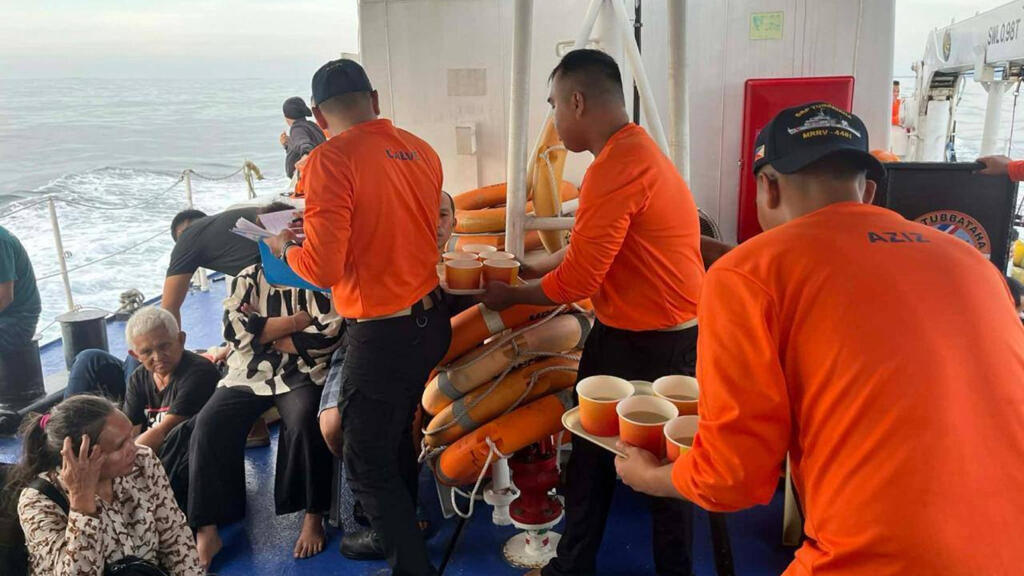
Tragedy struck in the southern Philippines early Monday morning as the MV Trisha Kerstin 3, a passenger Ferry packed with over 350 souls, capsized near Basilan province. Initial reports confirm at least 15 fatalities, a number that, sadly, could climb as rescue efforts continue. The sinking has sent shockwaves through the region, raising questions about maritime safety and the challenges of island life where ferries are a lifeline.
Philippines Ferry Disaster: Hundreds Feared Lost a...
The Ferry, reportedly en route from Zamboanga City to Jolo Island in Sulu province, encountered trouble shortly after midnight. Details remain murky, but authorities are piecing together the sequence of events that led to the vessel overturning. Speculation is rife regarding potential causes, from overloading to rough seas, a sadly common occurrence in this part of the archipelago.
Having spent some time reporting in Southeast Asia, I know these inter-island ferries are absolutely vital. For many, they’re the only affordable way to travel, to visit family, or to bring goods to market. But the reality is that safety standards aren't always what they should be. Overcrowding is often overlooked, and older vessels are kept in service longer than perhaps advisable. It’s a complex situation involving economic realities and logistical constraints, but it all contributes to increased risk.
The Philippine Coast Guard and local fishermen have been scrambling to rescue survivors. It's a testament to the resilience of these communities that, even amidst their own hardship, they’re always quick to help those in need. Makeshift rescue boats have been deployed, and survivors are being brought ashore for medical attention. The scale of the operation is immense, and the emotional toll on rescuers must be considerable.
Investigations are already underway to determine the exact cause of the sinking. Officials have promised a thorough and transparent inquiry, which is crucial not only to understand what went wrong with the MV Trisha Kerstin 3, but also to prevent future tragedies. We need to ask hard questions about regulatory oversight and enforcement. Were proper safety checks conducted? Was the vessel properly maintained? And were passenger manifests accurately recorded to avoid the potential of “ghost passengers” hindering accurate accounting after such incidents?
For now, the focus remains on rescue and recovery. But the sinking of the MV Trisha Kerstin 3 serves as a grim reminder of the inherent dangers faced by those who rely on maritime transport in the Philippines. It’s a tragedy that demands action, not just words, to improve maritime safety and prevent further loss of life. This isn't just a statistic; these are families torn apart, and we owe it to them to learn from this disaster.
Comments
Please sign in with Google to post a comment
No comments yet. Be the first to comment!