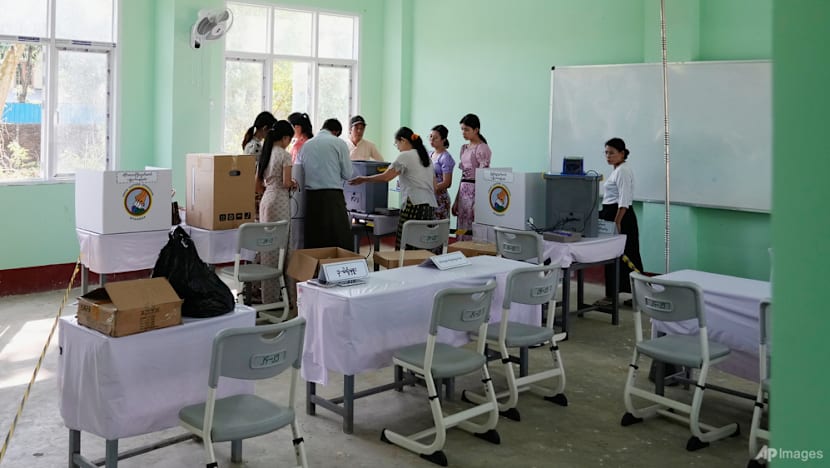
Myanmar's general election has entered its final phase today, Sunday, January 25th, amidst a backdrop of civil war and widespread skepticism about its legitimacy. Polling stations opened across 60 townships, including major urban centers like Yangon and Mandalay, but the shadow of military control hangs heavy over the process. While the ruling junta promises a transition of power in April, all signs point towards a military-backed victory and continued dominance.
Myanmar Election SHOCK: Is This the End of Democra...
The election has been widely criticized as a sham designed to legitimize the military's grip on power. It's hard to see it any other way, frankly. The military seized control in a February 2021 coup, ousting the democratically elected government led by Aung San Suu Kyi. The international community, including ASEAN, has largely rejected the process. Malaysia, which previously chaired ASEAN, confirmed that the organization declined Myanmar's offer to send election observers, essentially refusing to endorse the outcome.
The election itself has been far from peaceful. Fighting continues in many parts of the country, with reports of air strikes near civilian areas in border states. This ongoing conflict, coupled with the junta's increasingly authoritarian rule, has created an atmosphere of fear and coercion. Reports from residents in major cities suggest that many felt compelled to vote, not out of genuine support, but to avoid potential arrest or other forms of retribution. The junta, of course, denies any coercion and insists the election enjoys public backing.
Early results paint a clear picture of the likely outcome. The military-backed Union Solidarity and Development Party (USDP) has already secured a commanding lead, claiming 193 out of 209 seats in the lower house and 52 out of 78 in the upper house, according to the election commission. Given this trajectory, it's difficult to imagine any other party mounting a meaningful challenge.
Ultimately, this election seems less about a genuine transfer of power and more about solidifying the military's long-term control. Junta leader Min Aung Hlaing's recent statement, emphasizing the military's continued role in national defense and security regardless of any changes in government, underscores this point. Myanmar's military has ruled for the majority of the past six decades, and it doesn't seem willing to relinquish its grip anytime soon. A new "election protection law" has seen over 400 people charged for criticizing or obstructing the process, according to state media, further highlighting the repressive environment surrounding this election. It's a grim situation, and one that doesn't bode well for the future of democracy in Myanmar.
Comments
Please sign in with Google to post a comment
No comments yet. Be the first to comment!