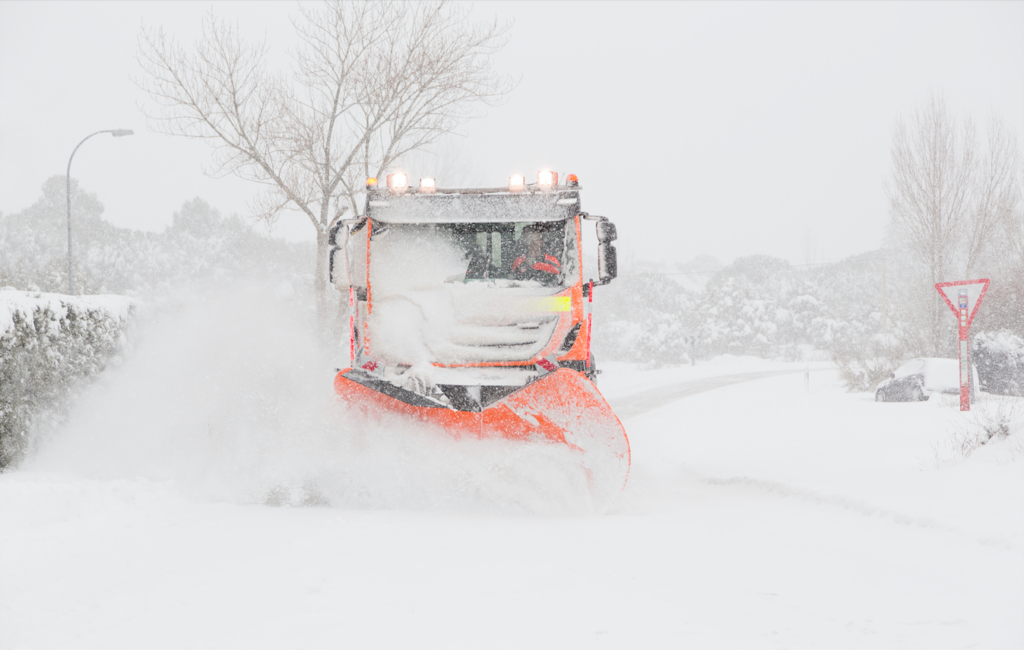
Storm Ingrid Unleashes Havoc Across Spain, Triggering Travel Chaos
Storm Ingrid: Is Your Spain Trip in Jeopardy?!
Spain is currently battling the brunt of Storm Ingrid, with the State Meteorological Agency (AEMET) issuing red alerts for parts of Galicia and widespread warnings across a large swathe of the country. From heavy snow blanketing northern regions to ferocious winds and towering waves battering the Atlantic coast, authorities are imploring residents to hunker down and avoid any non-essential travel. It's the kind of weather that makes you want to stay inside with a warm drink, but for many, that's simply not an option.
The Atlantic coast of Galicia, particularly A Coruña and Pontevedra, is facing the full force of Ingrid's maritime fury. We're talking about potential wave heights reaching a staggering nine meters. That’s like a three-story building crashing down on the shoreline! Inland, the snow level has dropped dramatically, reaching elevations as low as 300-500 meters. This has significantly ramped up the risk of treacherous icy roads, especially in the northern and central parts of Spain. Frankly, it’s a recipe for widespread travel chaos, and officials are bracing for even worse conditions in the coming days.
And indeed, the storm has already thrown a wrench into the country's transport network. The DGT, Spain's traffic authority, reported a whopping 98 roads affected as of Friday evening. A significant portion of these – sixteen in total – are part of the primary road network, including major motorways. Snow and ice have forced temporary closures and restrictions, leaving many travelers stranded and frustrated. As someone who's been stuck in a blizzard before, I can attest – it's no fun.
The reach of Storm Ingrid extends all the way down to Andalucía, where yellow alerts are in place for snow, wind, and coastal impacts across the provinces of Jaén, Granada, Almería, Huelva, and Cádiz. Even in normally sun-drenched southern Spain, numerous roads have been partially closed due to the combined threat of snow, ice, and flooding. It’s a stark reminder that even regions accustomed to milder weather are vulnerable to the power of a major winter storm.
The message from authorities is crystal clear: avoid unnecessary travel this weekend. Snow accumulations, frigid temperatures, and icy conditions are expected to persist through Saturday, and frankly, that’s probably an optimistic estimate. Blizzards and drifting snow in the north, central, and mountainous regions could further reduce visibility, making road clearance operations incredibly difficult. Coastal ferry and transport services have been suspended in some areas as a safety precaution, and rightly so.
In Galicia, classes have been suspended in numerous municipalities, including Ourense, Lugo, and Pontevedra. Emergency services have activated their winter response plans, focusing on clearing roads, assisting stranded motorists, and ensuring essential services continue to function. While there have been multiple reports of minor traffic incidents caused by snow and ice in the northern provinces, let's hope that diligent preparation and a bit of luck will prevent any major tragedies.
AEMET forecasts that these challenging conditions will continue into the weekend, with frost and low temperatures stubbornly persisting. Coastal regions will remain susceptible to high waves and strong winds. The polar air mass responsible for these frigid conditions is expected to weaken only gradually. Precipitation is expected across most of Spain, with the heaviest accumulations expected in Galicia, the mountains of the northwest, the Balearic Islands, the Strait of Gibraltar area, and elevated zones of Andalucía. So, residents and motorists, heed the warnings, stay safe, and remember: sometimes the best course of action is to simply stay put.
Comments
Please sign in with Google to post a comment
No comments yet. Be the first to comment!