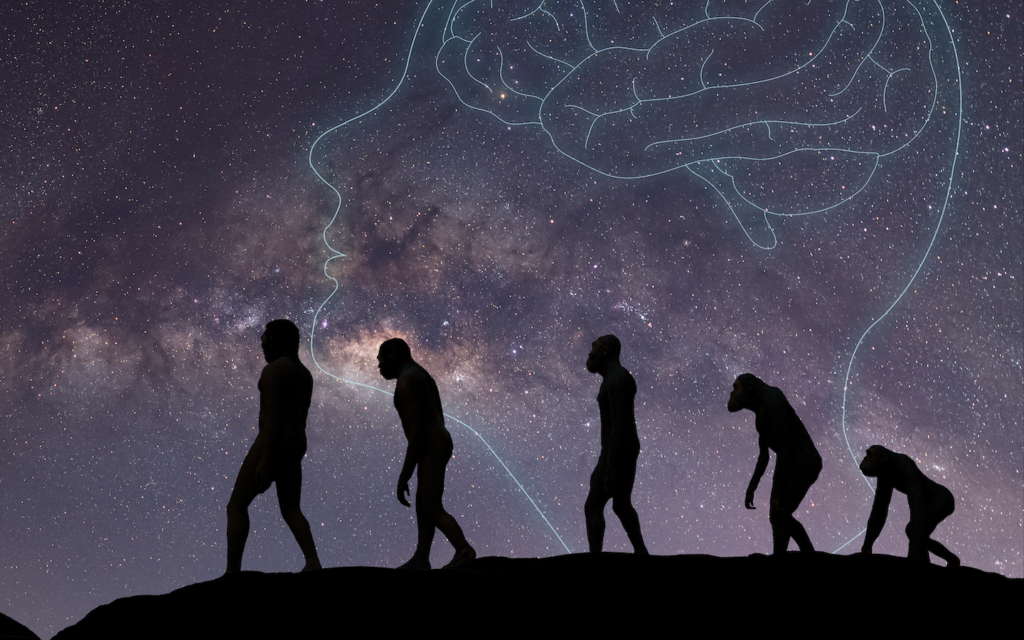
The idea of life on Earth without humans may seem like science fiction, but it has become the subject of serious scientific discussion. An Oxford professor, Dr. Ruth Coulson, recently presented a thought-provoking theory about potential successors to humanity, and her pick might surprise you: Octopuses. Yes, those intelligent, eight-armed denizens of the deep.
Humans Dethroned?! Oxford Prof Predicts Earth's NE...
Coulson's research, while admittedly speculative, focuses on the remarkable cognitive abilities and adaptability of cephalopods, particularly Octopuses. She argues that in a world significantly altered by human activity or even our eventual absence, octopuses possess the inherent traits necessary to not only survive but potentially thrive and evolve into a dominant species. It's not just about their cool camouflage skills; it's about something deeper.
What makes octopuses such strong contenders? According to Coulson, it's a combination of factors. Think about it: their decentralized nervous system allows for independent limb coordination, meaning each arm can essentially think for itself. Couple that with a relatively large brain size (for an invertebrate, anyway) and you have a creature capable of impressive problem-solving. I remember once seeing a video of an octopus opening a jar to get to a crab inside – truly fascinating stuff!
Coulson points to tool use, environmental manipulation, and the octopus's masterful camouflage as further evidence of their adaptability. These aren't just parlor tricks; they are survival mechanisms honed over millions of years. She posits that these traits could allow octopus descendants to flourish in a dramatically changed world, potentially out-competing other species for ecological niches. Of course, this is all hypothetical, but it's a compelling thought experiment.
Now, before you picture armies of super-intelligent octopuses building underwater cities, it's important to remember that evolution is a slow and unpredictable process. However, Coulson's work serves as a powerful reminder of the impermanence of dominance in the natural world. Species rise and fall, ecosystems shift, and niches open and close over geological time scales. It’s a humbling perspective, to say the least.
Coulson’s research also underscores the importance of understanding evolutionary processes and ecological resilience. By studying how life adapts and responds to change, we can better prepare for the long-term environmental challenges facing our planet. Ultimately, it's a call to appreciate the incredible diversity of life on Earth and to consider the potential for even the most unexpected creatures to shape the future. Who knows, maybe our planet will one day be ruled by cephalopods. It's definitely something to ponder.
Comments
Please sign in with Google to post a comment
No comments yet. Be the first to comment!