Recent Immigration policies coming out of Washington have a lot of people on edge, particularly those working in the US on employment-based visas like the H-1B. Are these changes targeted attacks on countries like India, which sends a large number of skilled workers to the US? Maybe not, according to one constitutional scholar.
H-1B Visa SHOCK: Is Immigration Bias REALLY the Re...
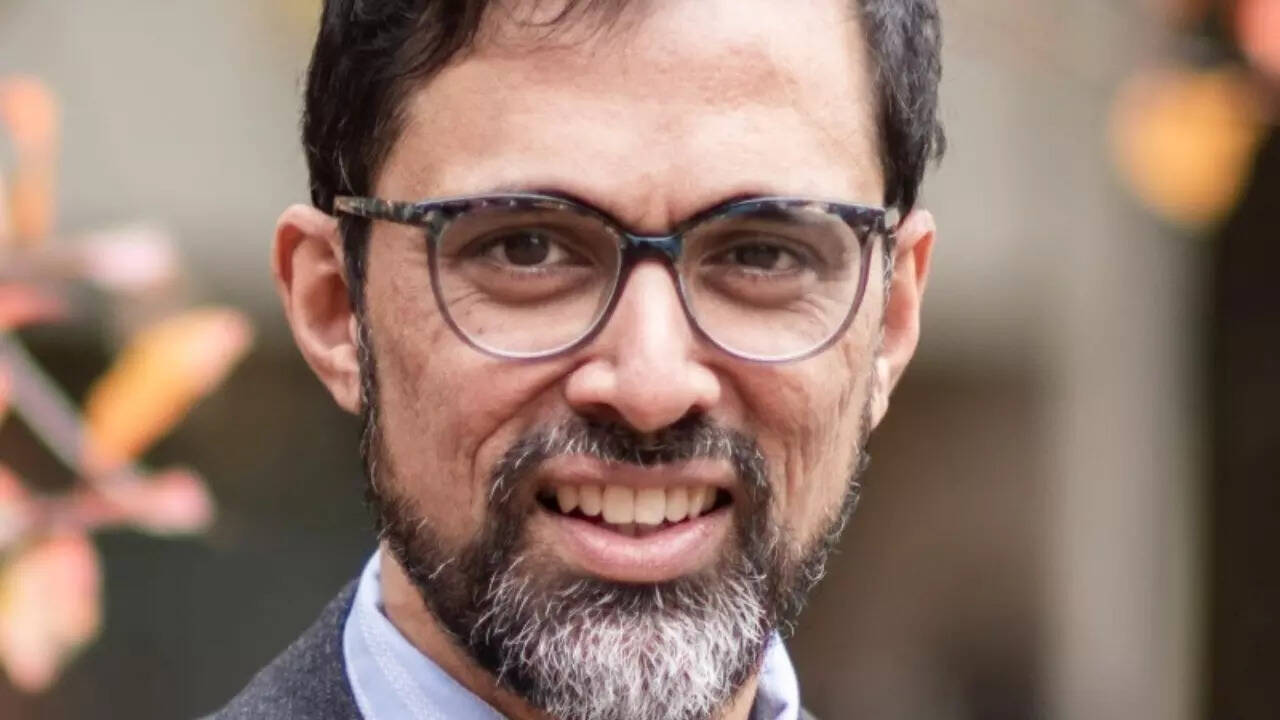
Saikrishna Prakash, a Miller Center senior fellow and a James Monroe Distinguished Professor of Law at the University of Virginia, argues that the current administration's stance on Immigration is far broader than simply targeting India. In a recent interview at the Kerala Literature Festival in Kozhikode, Kerala, Prakash made the case that the restrictions are more a reflection of President Trump's general aversion to immigration, period. This doesn't mean India won't feel the squeeze – as a major beneficiary of programs like the H-1B, they're bound to – but it's crucial to understand the underlying motive.
“It’s not really about India per se. It’s about his distaste for immigration," Prakash stated plainly. He went on to suggest that this shift could actually lead to a positive geographic redistribution of Indian talent. Think about it: more Indians seeking opportunities in Europe, Australia, Singapore, and Japan could strengthen the Indian diaspora globally. A diverse and well-connected Indian presence around the world could be a significant advantage in the long run.
The conversation also veered into Prakash's latest work, ‘The Presidential Pardon: The Short Clause with a Long, Troubled History.’ It explores the vast power presidents hold when it comes to pardoning individuals – a power he believes has grown significantly. He described the pardon clause as deceptively simple, yet granting presidents "rather sweeping control" over the criminal process. This, he argued, is part of a larger trend.
Interestingly, Prakash noted a worrying trend: increasingly partisan reactions to presidential pardons. It seems these days, people are more likely to automatically approve or disapprove based on party lines, rather than on the merits of the case. This level of polarization makes it hard to have a rational discussion about the appropriate use of executive power.
And speaking of executive power, Prakash highlighted the steady encroachment of US presidents on congressional authority. He pointed to delegated powers in areas like immigration as a prime example, painting a picture of a Congress increasingly sidelined, divided internally while presidents act decisively. The big takeaway? With Congress gridlocked, presidents can more easily enact policies with less oversight.
Ultimately, Prakash believes that constitutional law offers limited comfort for Indian professionals facing these challenges in the US. While it's not necessarily a targeted attack, the reality is that executive actions can have a swift and significant impact on their lives. It's a situation that demands vigilance and a willingness to adapt to an ever-changing political landscape. For those seeking a little comfort, consider that maybe the silver lining here is that these professionals will make their talents known in even more parts of the world than before.
Comments
Please sign in with Google to post a comment
No comments yet. Be the first to comment!