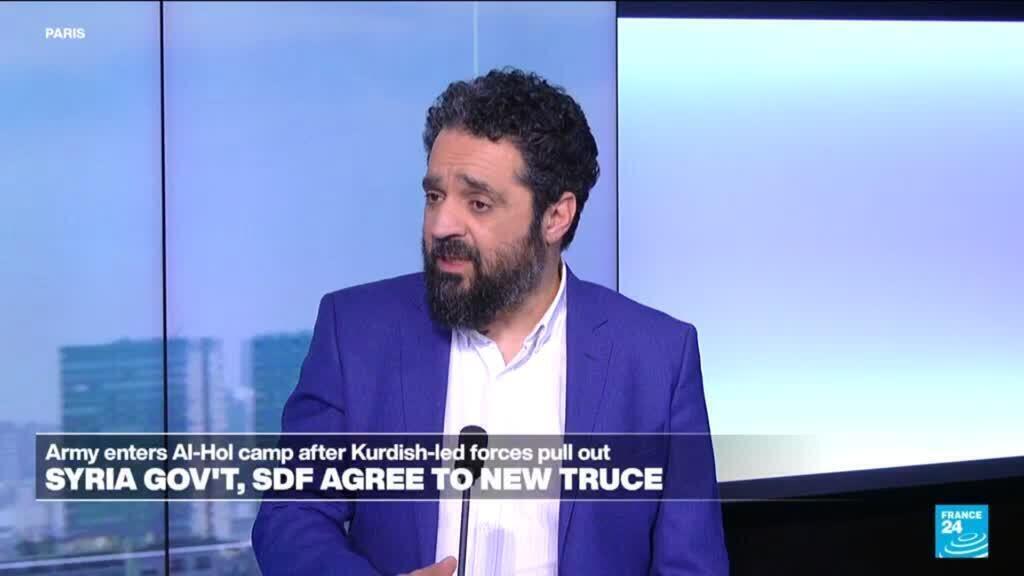
The narrative of betrayal is a powerful one, and it's echoing loudly in the wake of recent developments in Syria. Did Washington truly "abandon" the Kurds? That's the question on many lips, particularly after a new ceasefire agreement was brokered between the Syrian government and the Kurdish-led Syrian Democratic Forces (SDF) just a few days ago, on January 20th.
Syria: Kurds Abandoned?! What Will Washington Do N...
It's a complex situation, layered with geopolitical maneuvering and decades of historical grievances. This ceasefire, mind you, comes at a rather interesting juncture. The same day, Washington simultaneously announced its assessment that the SDF's mission against the Islamic State group, or ISIS, was largely complete. Coincidence? Perhaps. But it certainly fuels the narrative of a strategic withdrawal, leaving the Kurds vulnerable.
To understand the present, we have to peek into the past. The SDF, largely comprised of Kurdish fighters, has been a crucial ally to the US in the fight against ISIS. They bled and died alongside American forces, pushing back the jihadists and reclaiming territory. Naturally, the Kurds expected a degree of security, a buffer against potential aggression. But alliances in the Middle East are notoriously fluid, shifting with the desert sands.
And here we are. The Syrian army, backed by Russia, has deployed reinforcements to the Kurdish stronghold province in the northeast of Syria. This move, while perhaps framed as a stabilizing force, raises serious questions about the future of Kurdish autonomy in the region. Will the Kurds be integrated into the Syrian state? Will they retain some level of self-governance? Or will they face oppression and marginalization?
FRANCE 24's Wassim Nasr, a seasoned expert on the region, provides insightful analysis. He's been following this story for years and understands the intricate web of relationships at play. His perspective highlights the precariousness of the situation. The SDF, while capable fighters, are ultimately outgunned and outnumbered. They needed, and arguably deserved, unwavering support. Whether they got it is now a matter of fierce debate.
The "abandonment" narrative is compelling, but it's crucial to acknowledge the complexities. The US has poured resources and lives into Syria for years, with varying degrees of success. The political calculus surrounding continued involvement is undoubtedly complex. But one thing is clear: the future of the Kurds, and their hard-won gains, hangs precariously in the balance. We'll be watching closely to see how this unfolds. This isn't just about Syria; it's about the long-term implications for US foreign policy and its reliability as an ally in a turbulent world.
Comments
Please sign in with Google to post a comment
No comments yet. Be the first to comment!