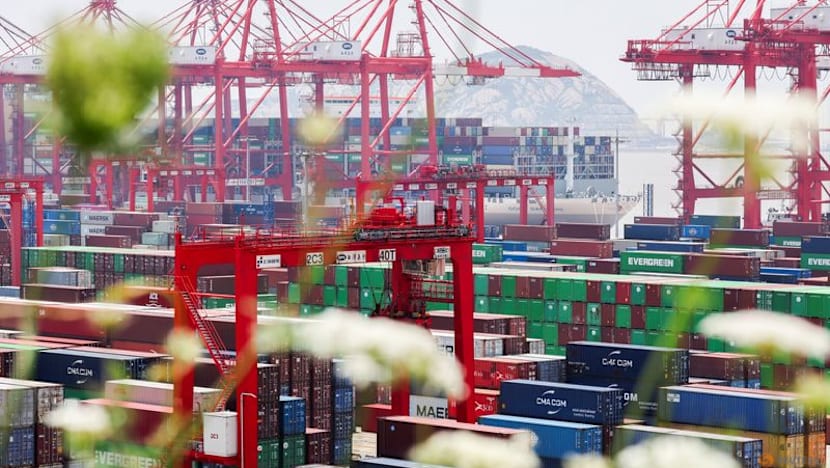
China's export machine roared in 2025, hitting record highs, but behind the celebratory headlines lies a tougher reality for the salespeople on the front lines. While the nation successfully diversified its export markets amidst US trade tensions, the shift hasn't necessarily translated to prosperity for those closing the deals. Just ask Aimee Chen, a veteran export saleswoman with two decades under her belt, who describes 2025 as the most challenging year of her career.
China's Sales Shock: US Orders Plunge, What Happen...
Reuters spoke with 14 salespeople navigating China's export diversification push, and their experiences paint a nuanced picture. The consensus? While new markets in Africa and Latin America are picking up some of the slack from declining US sales (down a significant 20% in 2025), they're not always a like-for-like replacement. Several salespeople noted that these new orders tend to be smaller in volume and, crucially, less lucrative than their previous US deals. This directly impacts their commissions and overall pay, putting pressure on their livelihoods.
It’s not just about lower paychecks, either. Many of these individuals reported longer working hours and increased pressure to secure deals. This intensified work environment comes as China's industrial firms are already feeling the pinch, with profits falling sharply – a concerning 13.1% year-on-year drop in November, marking the fastest decline in over a year. It's a complex web of interconnected economic pressures.
Mingwei Liu, a director at Rutgers University's Center for Global Work and Employment, points out that China's new export strategy often relies on chasing high volumes of cheaper orders. To win these contracts, Chinese companies are often extending longer payment cycles to clients and accepting higher default risks. This, he argues, "increases the labour intensity, the emotional burden and income uncertainty faced by workers in export sales." It's a ripple effect that starts at the macro level and ends up impacting individual workers.
The dynamic between the US and China is also key to understanding this shift. Since China joined the World Trade Organization in 2001, the two economies have become deeply intertwined, yet increasingly imbalanced. Over time, US policy has favored consumption, while Chinese policy has incentivized production. Some American retailers and Chinese manufacturers had even developed such close relationships that they could almost anticipate each other's needs, making deals seamless. The recent trade tensions, particularly under Trump's second term, have disrupted these well-established patterns, forcing China to seek new avenues for its exports. However, as we've seen, this transition comes with its own set of challenges, particularly for the people driving those sales.
Comments
Please sign in with Google to post a comment
No comments yet. Be the first to comment!