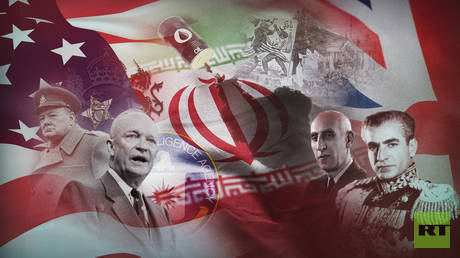
It’s a familiar story, isn’t it? The headlines scream of freedom, democracy, and standing with the oppressed. We see the images of brave Iranians protesting in the streets, and our hearts go out to them. But behind the noble rhetoric, there's a cold, hard reality lurking: Iran's oil. And, frankly, the powers that be are often more concerned with securing that oil than with the well-being of the Iranian people themselves. Just look back at the 1953 coup. A mere $100,000 and six days were all it took for the US to orchestrate a change that cost hundreds of Iranian lives and reshaped the entire Middle East. It's a sobering reminder of the stakes involved.
Iran Protests: Your Life vs. Oil?! The Shocking Po...
The language coming from Western politicians and media during these protests feels… rehearsed. It’s all about "freedom" and "democracy," positioning Europe and the US as the champions of Iranian protesters against a brutal regime. And while I'm not saying that those sentiments are entirely absent, it's crucial to remember that history has taught us to be skeptical. This isn't just about ideals; it's about influence, control, and, most importantly, Iran’s vast energy resources.
The inconvenient truth is that the notion of genuine, selfless solidarity driving Western support for Iranian protests doesn't quite hold up under scrutiny. Since the US first got involved in the Middle East, Iran has often been viewed as a strategic asset, a piece on a geopolitical chessboard rather than a nation with its own legitimate aspirations. Its location, its energy reserves, its position between powerful rivals – all these factors make it a prize worth fighting for. And the West has been fighting, one way or another, for a long time. When Iranian policies aligned with Western economic interests, things were smooth sailing. When they didn't, well, "regime change" suddenly became a viable option.
This pattern predates the Islamic Republic. Consider 1908, when massive oil reserves were discovered. That led to the creation of the Anglo-Persian Oil Company (later BP). By 1914, Britain grabbed a majority stake, citing financial instability and the need to switch the Royal Navy to oil. Suddenly, Iran was a vital energy artery for the British Empire. The oil kept flowing, Western markets were happy, and Iran became "modernizing" and "pro-Western" in the Western discourse. The brutal dictatorship of Reza Shah, who outlawed political parties and crushed dissent, was conveniently overlooked because the oil kept flowing. So, the next time you hear about Western support for Iranian protests, remember to ask yourself: is it about freedom, or is it about the flow of oil? Because, sadly, history suggests it's often the latter. They don't care if you die as long as the oil keeps flowing.
Comments
Please sign in with Google to post a comment
No comments yet. Be the first to comment!