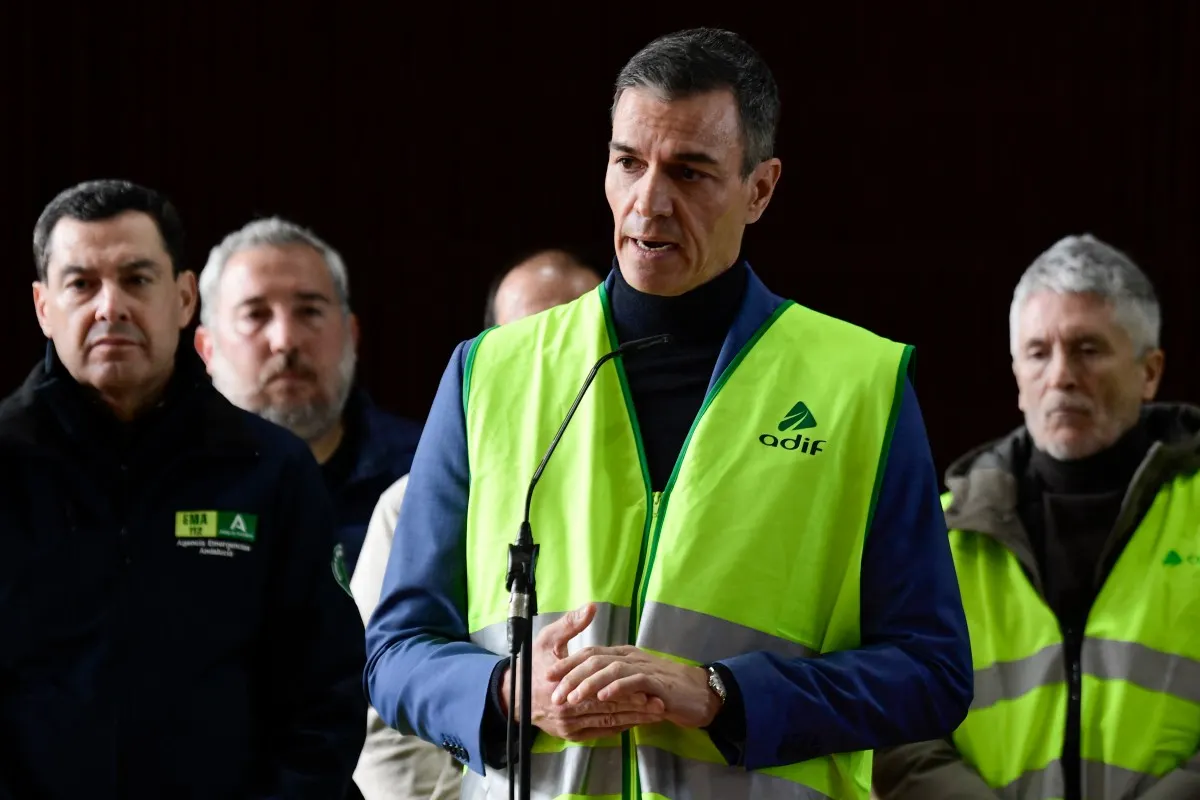
The dust is still settling, both literally and figuratively, after Sunday evening's horrific high-speed Train crash in southern Spain. At least 39 people are confirmed dead, and frankly, that number could still rise. The crash, involving a high-speed train, has left transport authorities scrambling for answers, and the description coming out of the investigation so far – "very strange" – isn't exactly reassuring to a public desperate for clarity.
Spain Train Crash: Shocking Details Emerge - What ...
So, what do we know? The train, an Alvia S-130, was en route from Madrid to Ferrol, a city in northwestern Spain. The accident occurred near Santiago de Compostela, a pilgrimage site known worldwide and a popular destination for tourists. The train derailed on a curve, a section of track where speed limits are typically reduced. Witnesses have described a chaotic scene, with carriages piled on top of each other and widespread devastation. Think twisted metal and the kind of images you don't easily forget.
The big question, of course, is why. Why did a modern, high-speed train derail on what should have been a routine section of track? Early reports suggest speed may have been a factor. Some sources are claiming the train was traveling well above the speed limit for that curve. Whether that's due to human error, a technical malfunction, or some combination of factors remains to be seen. It's worth remembering that these investigations are complex and often take time to yield definitive answers.
And that "very strange" comment? It's coming from folks within the transport authority. It hints that the initial findings aren't pointing to a simple explanation, like a straightforward mechanical failure. It suggests that something unusual happened, something that doesn't readily fit into pre-existing incident models. Now, this is where things get a bit speculative. Could there have been a track defect that wasn't detected? Was there a sudden and unexpected issue with the train's braking system? Was there some external factor, like an obstruction on the track? These are the kinds of questions investigators will be pouring over in the coming days and weeks.
Frankly, having covered similar incidents in the past, I know how painstaking these investigations can be. They involve analyzing black box data, examining the train's mechanical systems, and interviewing witnesses. It's a slow and methodical process. While the public understandably wants immediate answers, it's crucial to allow investigators the time and space to conduct a thorough and impartial inquiry. The families of the victims deserve nothing less. What’s more, the travelling public needs to be assured that everything is being done to prevent a similar tragedy from happening again. Until then, the "very strange" nature of this crash will continue to haunt us all.
Comments
Please sign in with Google to post a comment
No comments yet. Be the first to comment!