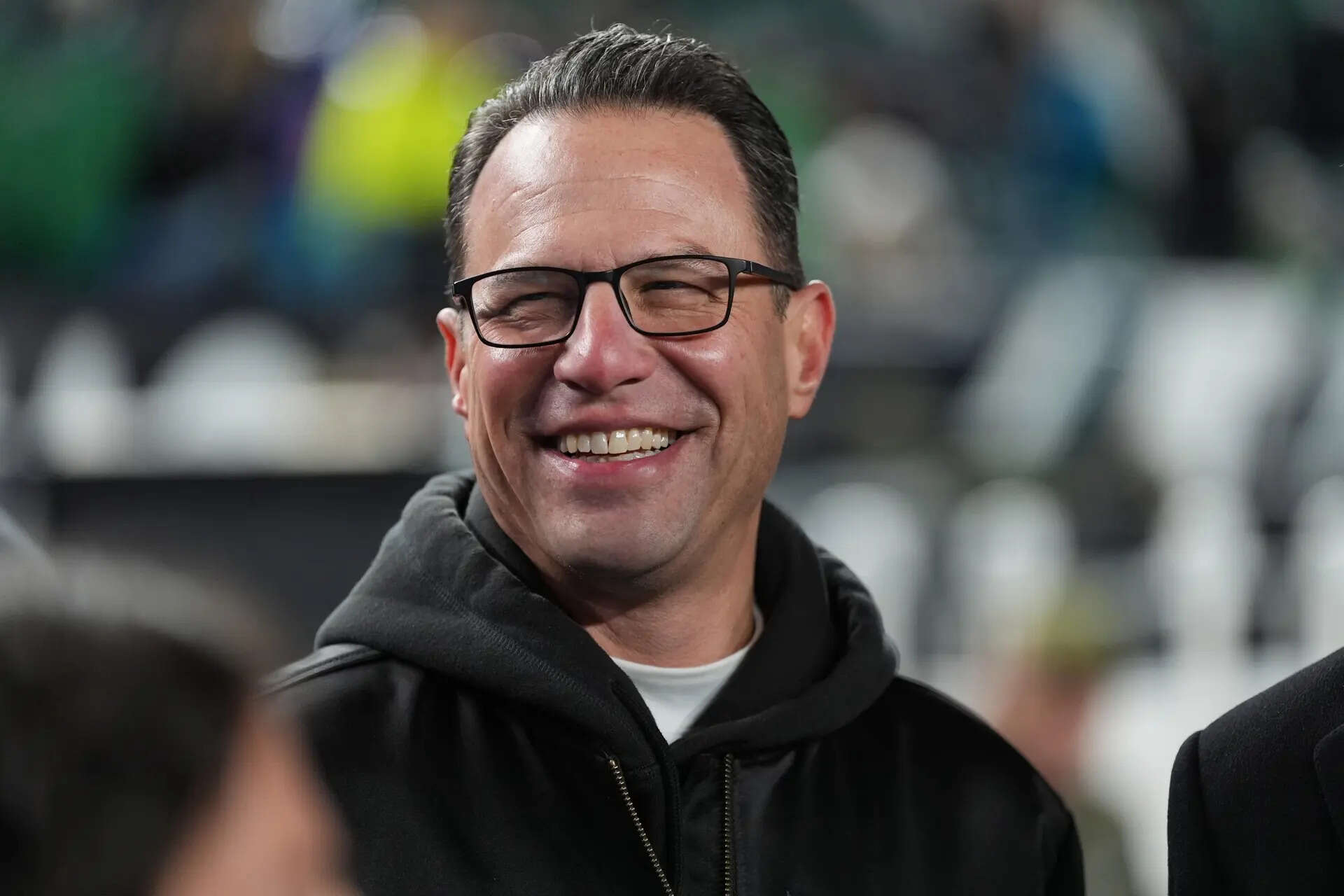
Pennsylvania Governor Josh Shapiro has dropped a political bombshell, alleging that he was subjected to a deeply troubling line of questioning during the vetting process for Kamala Harris's 2024 vice-presidential pick. In a revelation from his upcoming memoir, Shapiro claims he was directly asked whether he had ever been a "double agent for Israel." The implications of this question, if true, are significant and have sent ripples through the political landscape.
Shapiro SHOCK! Harris Campaign Infiltrated?! What ...
Shapiro, a prominent figure within the Democratic party and a staunch critic of antisemitism, recounts his immediate reaction to the question. He described it as offensive and absurd, a sentiment that resonates with many who see it as a blatant example of religious or ethnic bias. But beyond the initial shock, what truly disturbed Shapiro was the underlying assumption that fueled such a query. It speaks to a potential double standard, suggesting that his Jewish identity and vocal support for Israel after the October 7th attacks made him uniquely suspect.
The timing of this revelation is particularly noteworthy. Coming on the heels of a deeply divisive period marked by heated debates over the Israel-Palestine conflict, Shapiro's experience throws a harsh light on the internal dynamics within the Democratic Party. Were similar questions posed to other potential running mates without his background? Was he being unfairly targeted? These are the questions that many are now asking.
This isn't just about one awkward question. It potentially exposes a much deeper issue: whether the Harris campaign, under pressure to navigate complex foreign policy issues and internal identity politics, ultimately sidelined a highly effective and electable politician. It raises uncomfortable questions about whether the campaign's internal compass was properly calibrated, and whether that miscalculation ultimately contributed to a loss against Trump and Vance. Frankly, having observed the 2024 election closely, I think these are valid concerns.
The memoir's full context will undoubtedly provide more nuance, but the excerpt alone has ignited a firestorm. It forces us to confront difficult questions about prejudice, political strategy, and the delicate balance between identity and policy in the modern political arena. It remains to be seen what the long-term ramifications of this revelation will be, but one thing is clear: Governor Shapiro's account has injected a potent dose of controversy into the ongoing post-election analysis.
Comments
Please sign in with Google to post a comment
No comments yet. Be the first to comment!