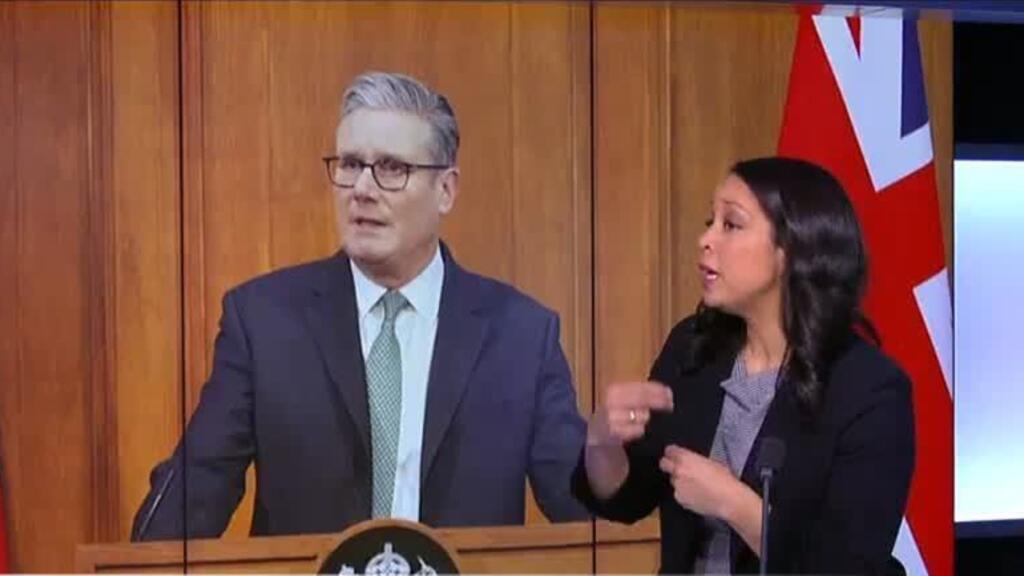
Tensions are simmering across the Atlantic, and the whispers are getting louder: could the European Union pull out its big guns against the United States? Specifically, I'm talking about the EU's anti-coercion instrument, a piece of legislation designed to protect its member states from economic arm-twisting. Lately, it's been making headlines in connection with a rather unexpected spat: the Greenland dispute and its potential ramifications for trade.
EU's Secret Weapon?! Could It Trigger a US Trade W...
Now, I know what you're thinking: Greenland? What's that got to do with anything? Well, the details are a bit murky, but it seems the threat of US tariffs, reminiscent of the Trump era, is looming over a potential agreement. This is where the anti-coercion instrument comes into play. As FRANCE 24's International Affairs Editor Rochelle Ferguson aptly puts it, this instrument is no mere pea-shooter; it's a "bazooka," even a "nuclear" option in the realm of trade warfare. The EU, it seems, is ready to fight fire with fire, or at least, threaten to do so.
But what exactly *is* this "anti-coercion instrument"? In essence, it's a tool allowing the EU to retaliate against countries that use economic pressure to influence its policies or decisions. Think of it as a shield and a sword all rolled into one. If a country tries to bully the EU into submission through tariffs, trade restrictions, or other economic measures, the EU can hit back with its own arsenal of countermeasures. These could range from tariffs of their own to restrictions on investments, effectively leveling the playing field, or at least trying to.
The fact that this instrument is even being discussed in the context of US-EU relations is significant. It highlights the growing unease in Europe about what some perceive as increasingly aggressive economic tactics from across the pond. Remember the steel and aluminum tariffs? Those still sting. And while the current administration might be different, the potential for protectionist measures remains a concern. The EU, understandably, wants to be prepared.
It's also worth noting that using the anti-coercion instrument isn't a decision taken lightly. It's a complex legal and political process, and deploying it could have significant consequences for both sides. Trade wars are rarely beneficial to anyone. However, the fact that the EU has this option on the table sends a clear message: it won't be pushed around. Whether it will actually *use* this "bazooka" against the US remains to be seen. But the mere possibility is enough to make everyone involved take notice. This Greenland situation could be a key test of the instrument's credibility and the EU's resolve.
Comments
Please sign in with Google to post a comment
No comments yet. Be the first to comment!