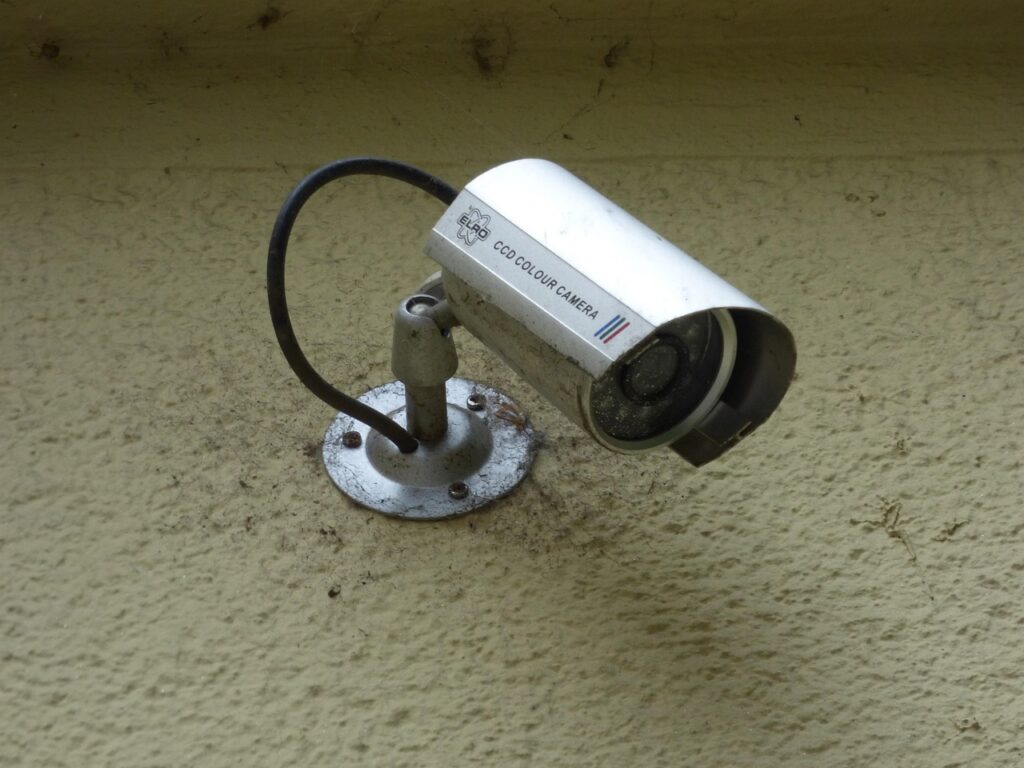
Home security cameras are becoming increasingly common in Spain, especially amongst expats. The promise of enhanced security and peace of mind is strong, particularly for those with second homes or rental properties that sit empty for extended periods. But before you rush out and buy that fancy new surveillance system, it's crucial to understand the legal landscape. Spanish law imposes strict limitations on the use of CCTV, and ignorance isn't bliss here – violations can lead to hefty fines.
Spain Home Security Cams: Are YOU Breaking the Law...
Now, the good news: as a homeowner, you don't typically need to formally register your domestic CCTV system with the Spanish Data Protection Agency (AEPD). However, that doesn't mean you're off the hook. You're still bound by the data protection obligations outlined in Spain’s Organic Law 3/2018 and the EU’s General Data Protection Regulation (GDPR). Think of it as a responsibility, not just a right.
The core principle to remember is the distinction between private and public spaces. The AEPD is very clear: your cameras, installed on your private property, "cannot capture images of public spaces unless it is indispensable for the intended surveillance purpose or unavoidable due to their placement." This is where things can get tricky. In practice, this means that if your camera accidentally captures a sliver of the sidewalk, you're probably okay. But if it's consistently filming the entire street, you're in violation.
Living in an apartment building? This gets even more complex. Your private cameras absolutely cannot record communal areas like corridors, stairwells, or car parks. Even *partial* or *accidental* recording can land you in trouble. And those smart doorbells, like Ring, Nest, or Eufy? They're considered surveillance systems under Spanish law, so they need to comply with all the same regulations. I've seen firsthand the disputes these can cause in apartment complexes; no one wants to feel like they're constantly being watched in their own building.
It's also worth noting that anyone recorded on your camera has the legal right to request access to or deletion of their images. And if you're recording people working on your property (think gardeners, cleaners, etc.), you *must* inform them in advance, and written consent is strongly recommended. Cameras are a no-go in bathrooms, changing rooms, or rest areas, and any monitoring must be proportionate. You can't just install cameras everywhere and film everything without a legitimate reason.
Let's illustrate with an example. A British expat with a detached villa, installing two outdoor cameras covering the front gate and private garden, is generally within the law, *provided* the cameras are used proportionately and in line with data protection rules. But an expat in an apartment block installing a smart doorbell camera needs to be especially careful about what it records.
Failing to comply can result in financial penalties from the AEPD. While GDPR allows for eye-watering maximum fines, penalties for private homeowners are usually proportionate, ranging from a few hundred to a few thousand euros, depending on the severity of the breach. Often, these breaches are unintentional, especially in apartment buildings or when using smart doorbells. So, take the time to understand the rules in 2026. It's about protecting your home without risking neighbor disputes, legal action, or those unwelcome fines.
*By Letara Draghia*
*Published: 16 Jan 2026 • 22:17 • 3 minutes read*
Comments
Please sign in with Google to post a comment
No comments yet. Be the first to comment!