NASA, never one to shy away from pushing the boundaries of technology, has been quietly exploring a fascinating application of blockchain: securing our skies. Yes, you read that right. The agency is testing blockchain technology to enhance air travel safety and security, aiming to safeguard critical flight data from potential cyberattacks. It's a bold move, and one that could revolutionize how we think about aviation cybersecurity.
NASA's SHOCKING Air Travel Tech Could Change EVERY...
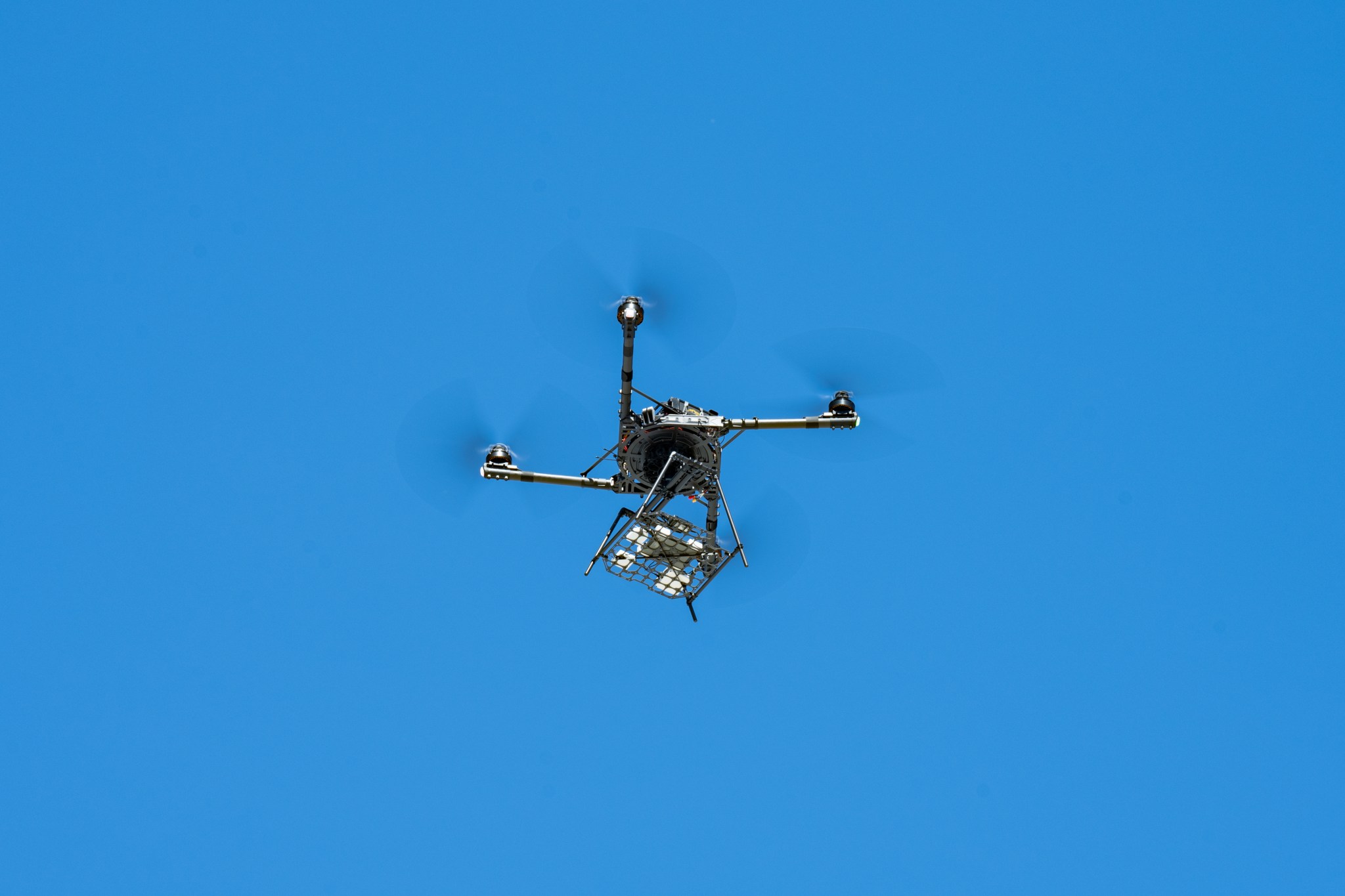
Researchers at NASA’s Ames Research Center, tucked away in the heart of Silicon Valley, recently conducted a drone flight test. The goal? To evaluate a blockchain-based system designed to protect sensitive flight data. Think about it: planes constantly transmit data back to ground stations – everything from altitude and speed to engine performance. If that data were compromised, the consequences could be devastating. This system aims to prevent disruptions to air traffic management and, crucially, protect data transmitted between aircraft and ground stations from being intercepted or manipulated.
The core idea is to ensure data reliability and transparency – absolute necessities for safe air travel. While existing cybersecurity measures offer some protection, the ever-evolving threat landscape demands innovation. And that's where blockchain comes in. NASA's research suggests a blockchain-based system can securely transmit and store this information in real-time. I’ve personally seen how vulnerable some of our older systems can be, so this kind of forward-thinking approach is incredibly encouraging.
Here's the beauty of it: blockchain acts like a decentralized database. Instead of relying on a single, vulnerable computer, it distributes information across a broad network. Every change is recorded and verified. This inherent design dramatically improves data security, accuracy, and trustworthiness. It's like having a digital paper trail that's virtually impossible to tamper with. Forget the old-school, layered security architectures; NASA is exploring a more resilient approach.
The drone tests allowed NASA to demonstrate the potential of blockchain across several key areas of aviation development, including autonomous air traffic management, urban air mobility, and even high-altitude aircraft operations. Imagine a future where drones seamlessly navigate our cities, all while relying on a secure, blockchain-protected system. It’s quite a vision.
During the tests, researchers investigated how blockchain could secure digital transactions between multiple systems and operators. They used an open-source framework that allows authorized users to share critical data – things like flight plans, telemetry, and aircraft operator registration information – in real-time. Access, of course, is tightly controlled. The team went a step further, conducting cybersecurity tests to evaluate and improve system resilience during airspace operations. They basically tried to hack their own system, which is exactly what you want to see.
Using an Alta-X drone equipped with custom-built software and hardware, they simulated a real-world drone flight environment, complete with a ground control station and the blockchain infrastructure. The underlying framework, they say, can even be extended to support high-altitude operations and Urban Air Mobility. This is a fascinating development, and I'm eager to see what NASA uncovers as they continue to analyze the data collected.
Comments
Please sign in with Google to post a comment
No comments yet. Be the first to comment!