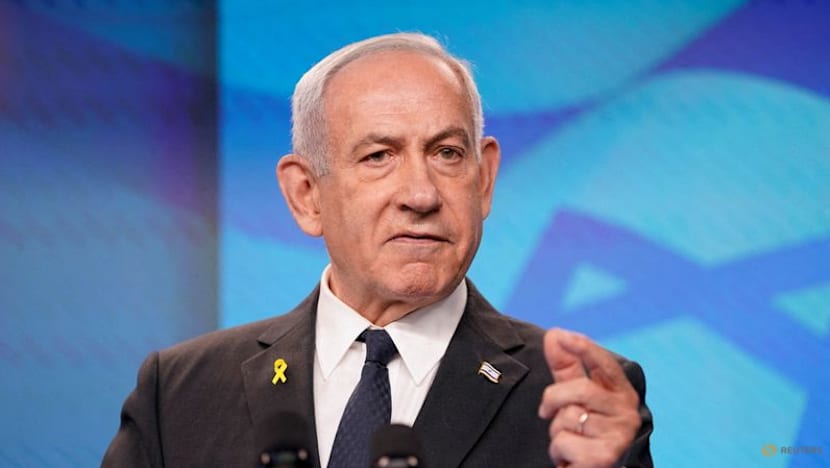
**Netanyahu Downplays Gaza Ceasefire Progression as Strikes Continue**
Gaza Ceasefire SHOCK: Is This Just Netanyahu's Dec...
Just a day after the US announced the Gaza ceasefire was supposedly advancing to its second phase, Israeli Prime Minister Benjamin Netanyahu has cast a significant shadow of doubt over the whole thing. And perhaps even more troubling, fresh Israeli strikes in central Gaza on Thursday reportedly claimed the lives of nine people, including three women. It’s a grim reminder of just how fragile – or perhaps even nonexistent – this “ceasefire” really is.
Netanyahu, in remarks made to the parents of a soldier named Gvili whose return remains a top priority for Israel, seemed to suggest the announcement was more of a declarative gesture than a genuine shift in policy. While the US has touted the move as a significant step forward, key details remain frustratingly vague. What exactly will this proposed "apolitical governing committee" of Palestinian experts look like? And what role will the international “Board of Peace” actually play? An Israeli official, speaking anonymously as these things often go, claimed the committee's composition was coordinated with Israel – which, if true, raises further questions about its true independence.
Meanwhile, back in Gaza, the mood is one of weary skepticism. As one Gaza native, Shaath, put it, even a massive reconstruction effort – "If I bring bulldozers, and push the rubble into the sea, and make new islands (in the sea), new land, it is a win for Gaza and (we) get rid of the rubble" – would be seen as a positive step. But Palestinians on the ground are understandably asking what this supposed “phase two” will actually change. They point to the continued bloodshed and the immense struggle just to secure basic necessities. It's hard to blame them for being cynical.
The numbers paint a stark picture. According to Gaza's Health Ministry, more than 450 people have been killed since Israel and Hamas initially agreed to halt fighting back in October. And yesterday's violence was particularly brutal. Local hospitals reported nine deaths in three separate strikes. These aren't just abstract numbers; these are lives extinguished. The Israeli military has yet to respond to requests for comment on these specific strikes, which, frankly, is becoming a depressingly familiar pattern.
Adding to the grim reality, the military stated separately that they killed someone near the Yellow Line – the heavily guarded boundary between Israeli-held Gaza and the rest – claiming the individual posed an “imminent threat.” This kind of language does little to reassure Palestinians who are already living in constant fear. "We see on the ground that the war has not stopped, the bloodshed has not stopped, and our suffering in the tents has not ended,” lamented Samed Abu Rawagh, displaced from Jabaliya and now living in southern Gaza.
The Health Ministry, a part of the Hamas-run government but considered a reliable source by the UN and independent experts, reports that over 71,441 Palestinians have been killed since the start of Israel's offensive. This includes more than 100 children since the October ceasefire alone, according to UNICEF. While Israel disputes these figures, they haven't offered any alternative numbers of their own. For many Gazans, like Hamza Abu Shahab from Khan Younis, it’s not about promises or announcements; it’s about tangible changes: easier access to food, fuel, and vital medical care. Until those needs are met, any talk of a ceasefire remains, at best, a hollow victory.
Comments
Please sign in with Google to post a comment
No comments yet. Be the first to comment!