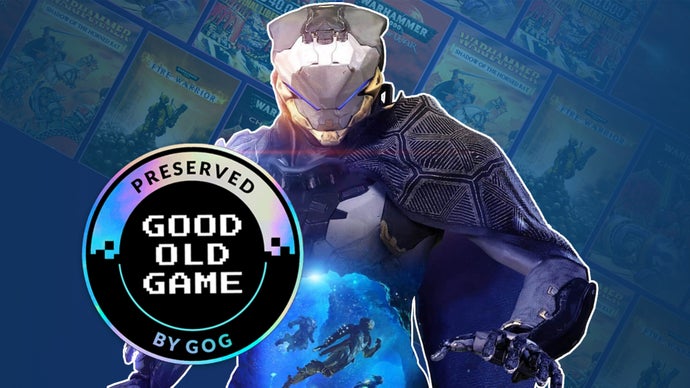
What is a fair end-of-life cycle for a game? As Anthem servers are switched off, GOG weighs the "complicated riddle" of multiplayer Game preservation. It's a question that's increasingly on the minds of gamers, and rightly so.
Anthem Shuts Down: Is This The End For Your Favori...
Polish digital game retailer GOG, known for its dedication to resurrecting classic games – think titles designed for long-obsolete computer systems, often rendered unplayable by the march of technological progress – is now facing a new frontier. For 17 years, they've been breathing life back into vintage gems, offering a way to relive gaming history. It's a noble pursuit, to be sure, but the game itself is changing.
The gaming landscape has changed. Games released *during* GOG's existence have become modern classics, finding a home on the platform and broadening the company's scope. Now, a *new* challenge looms in Game preservation: how to save or revive defunct *multiplayer* games. This isn't just about patching up some old code, it's about keeping entire online ecosystems alive.
This week, EA officially pulled the plug on the servers for BioWare's troubled multiplayer title, Anthem, effectively bricking the game for anyone who wanted to continue playing. All those years of development effort by BioWare and the countless hours players invested – just...gone. It's a sobering thought. Could GOG one day restore such a game, or are the challenges too great?
In a recent interview, GOG's managing director, Maciej Gołębiewski, addressed precisely this issue. "Game preservation is a very complicated riddle," he admitted. "There's the IP and ownership riddle, the technical aspect, and the commercial viability – because no one can do it for goodwill; salaries need to be paid." He's right, of course. It's easy to romanticize preservation efforts, but the reality is that it requires significant resources.
Gołębiewski went on to say, "Resurrecting multiplayer titles is very complex and difficult, but it's becoming a matter of discussion among gamers, regulators, and publishers." This is a crucial point. It requires a collaborative effort. No single entity can solve this alone.
"I don't have the perfect answer yet," he admitted, "but it's good that the discussion is taking place." Honesty is refreshing. It's a complicated problem, and admitting that there isn't a simple solution is the first step toward finding one. It’s encouraging that GOG is actively engaged in thinking about this problem and engaging in the broader conversation.
Interestingly, GOG recently separated from CD Projekt, the studio behind The Witcher and Cyberpunk, after being part of the company since its inception. The move appears mutually beneficial, allowing CD Projekt to concentrate on game development while freeing GOG from that singular focus. This independence could allow GOG to be even more agile in tackling these preservation challenges.
While GOG will continue to specialize in restoring and preserving games, offering them DRM-free, the company is also exploring new avenues, including publishing indie games. Perhaps this expanded focus will provide the necessary resources and expertise to tackle the increasingly complex challenge of preserving our gaming heritage, multiplayer titles and all. We can only hope.
Comments
Please sign in with Google to post a comment
No comments yet. Be the first to comment!