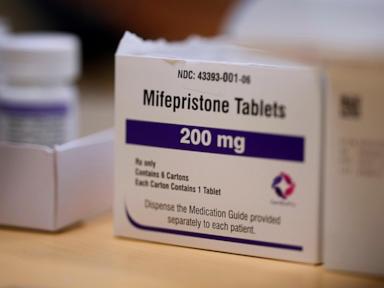
California Governor Gavin Newsom just threw a major wrench in Louisiana's plans to prosecute a doctor accused of mailing abortion pills into the state. Newsom announced Wednesday that he's blocking Louisiana's attempt to extradite the physician, effectively setting up a showdown between the two states with wildly different views on reproductive rights.
Newsom BLOCKS Abortion Pill Extradition: What Happ...
This all comes after Louisiana Governor Jeff Landry announced he was seeking to bring the doctor "to justice" via extradition. Louisiana, as many know, has some of the strictest abortion laws in the entire country. California, on the other hand, is actively working to protect abortion providers from prosecution, particularly when they're treating patients coming from states with restrictive laws. It's a stark contrast, to say the least.
Newsom is citing a 2022 executive order he signed as the reason for blocking the extradition. That order basically says California state agencies can't cooperate with other states looking to prosecute abortion providers. "We will not allow extremist politicians from other states to reach into California and try to punish doctors based on allegations that they provided reproductive health care services," Newsom declared in a statement. Strong words, and a clear indication of where California stands on this issue. "Not today. Not ever," he added for emphasis.
So far, Landry's office hasn't responded to requests for comment on Newsom's decision. It's safe to assume they're not thrilled, though. This isn't just a simple disagreement; it's a fundamental clash over state sovereignty and individual rights. I've seen these kinds of interstate legal battles before, and they can get incredibly messy, incredibly quickly.
The doctor in question is Remy Coeytaux, who practices in the San Francisco Bay Area. Louisiana Attorney General Liz Murrill said Tuesday that Coeytaux is facing a criminal charge of "abortion by means of abortion-inducing drugs." If convicted, he could be looking at a staggering 50 years in prison. That's a potentially life-altering sentence, and it highlights just how high the stakes are in this case.
Attempts to reach Coeytaux himself for comment on Tuesday were unsuccessful. Understandably, I imagine he's keeping a low profile right now. The legal ramifications of this situation are complex, and it's likely he's consulting with his attorneys to determine the best course of action. This is far from over, and it's a case that will undoubtedly have national implications for the future of reproductive healthcare access.
Comments
Please sign in with Google to post a comment
No comments yet. Be the first to comment!