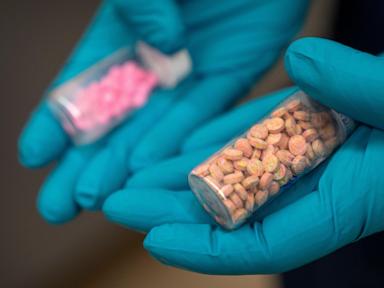
NEW YORK – There's a glimmer of hope in the fight against the Opioid crisis. For the better part of last year, overdose deaths in the United States actually fell, according to newly released federal data. This suggests we might be seeing a real, sustained improvement in an epidemic that, frankly, has felt relentlessly grim for far too long.
Overdose Deaths PLUNGE! Is the Crisis FINALLY Over...
The data, released by the Centers for Disease Control and Prevention (CDC) just this Wednesday, covers the period through August 2025. It represents the first update we've had on monthly provisional drug overdose deaths since the recent federal government shutdown, which, as you can imagine, put a temporary halt to data collection and analysis. The good news? This decline in fatalities has been ongoing for over two years – the longest sustained drop we've seen in decades. The less good news? The rate of decrease is slowing, which means we're not out of the woods yet.
“Overall I think this continues to be encouraging, especially since we're seeing declines almost across the nation,” said Brandon Marshall, a Brown University researcher specializing in overdose trends. And he's right, it IS encouraging. But let's keep things in perspective. As Marshall also points out, the monthly death toll remains significantly higher than pre-COVID-19 pandemic levels, and far, far exceeds the numbers from before this whole crisis really took hold. So, while progress is being made, we still have a long way to go.
Now, the million-dollar question: why are deaths declining? Experts are still piecing together the puzzle. Some point to increased access to naloxone (the overdose-reversing drug), expanded addiction treatment programs, and even shifts in drug use patterns. The billions of dollars pouring in from opioid lawsuit settlements are also likely having an impact, albeit one that’s hard to quantify precisely.
But a particularly interesting theory comes from a study published last week in *Science*. Researchers at the University of Maryland argue that regulatory changes in China, implemented several years ago, seem to have reduced the availability of those key precursor chemicals used in fentanyl production. The U.S. Drug Enforcement Administration (DEA) has reported a decrease in fentanyl purity (and therefore, potentially, potency) since 2022, lending further credence to this theory. Apparently, cracking down on the supply chain is making it harder for manufacturers to produce the really potent stuff.
Of course, it’s not a perfect solution. Peter Reuter, one of the authors of the *Science* study, readily admits that their paper contains "some speculation." He and his colleagues suggest that the recent slowdown in the overdose death decline could be because producers in Canada and Mexico are finding alternative sources for those fentanyl precursors. It's a constant cat-and-mouse game, and staying ahead requires vigilance and a multi-pronged approach. It's good to see positive movement, but we can't afford to become complacent.
Comments
Please sign in with Google to post a comment
No comments yet. Be the first to comment!