Transatlantic Triumph: Surgeons Perform Remote Stroke Surgery Across 6,500 Kilometers
In a groundbreaking demonstration of medical technology, surgeons in the UK and the US have successfully conducted what is believed to be the world's first remotely operated stroke surgery. The transatlantic procedure, performed on a human cadaver, highlights the potential for expanding access to life-saving treatments for stroke patients in underserved and remote areas.
Distance Defied: Surgeons Conquer Stroke Across 4,...
The innovative surgery saw Dr. Iris Grunwald, based in Dundee, Scotland, orchestrate a remote thrombectomy – the removal of a blood clot from a vein to restore blood flow to the brain – on a cadaver located elsewhere in the city. Simultaneously, across the Atlantic, Dr. Ricardo Hanel in Florida, manipulated a robotic device to perform the same procedure on the cadaver, a staggering 6,500 kilometers away.
While the surgery was conducted on
While the surgery was conducted on a cadaver, the implications are profound. Dr. Hanel emphasized the experiential aspect of the trial, noting the surprisingly tactile nature of the procedure. "What surprised me most was how tactile the experience was," he said. "My hands felt as if I were performing a traditional thrombectomy." This feedback underscores the potential for surgeons to effectively and confidently perform complex procedures remotely.
The trial utilized a robotic system developed by Sentante, a Lithuania-based company. Sentante envisions its technology bridging the gap in access to thrombectomy, a crucial intervention for ischemic stroke patients. Ischemic strokes, caused by blood clots blocking vessels in the brain, are a leading cause of death and disability worldwide, claiming an estimated 3.3 million lives annually.
The urgency of treatment is paramount. "With an ischemic stroke, the difference between a patient walking out of the hospital and suffering lifelong disability can be as little as two to three hours," explained Edvardas Satkauskas, Sentante’s chief executive. He pointed out the current limitations, where patients often face long and potentially debilitating journeys to reach one of the few specialized thrombectomy centers. In Scotland, for example, only a small fraction of ischemic stroke patients – just 2.2 percent – received the procedure last year.
Sentante's system connects standard laboratory equipment
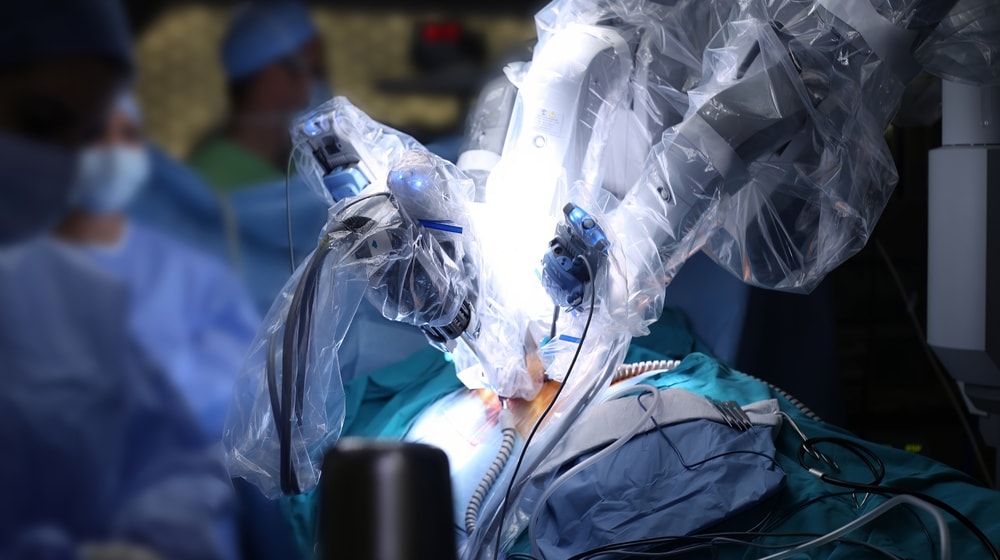
Sentante's system connects standard laboratory equipment with a sophisticated device that precisely captures the hand movements of the remote surgeon. These movements are then replicated in real-time by a robot positioned at the patient's bedside, guided by X-ray images displayed on high-definition screens.
The success of this remote surgery offers a glimpse into a future where geographical barriers no longer impede access to critical medical interventions. As technology continues to advance, remote surgery holds the promise of significantly improving outcomes for stroke patients, particularly in regions lacking specialized medical expertise.
Comments
Please sign in with Google to post a comment
No comments yet. Be the first to comment!