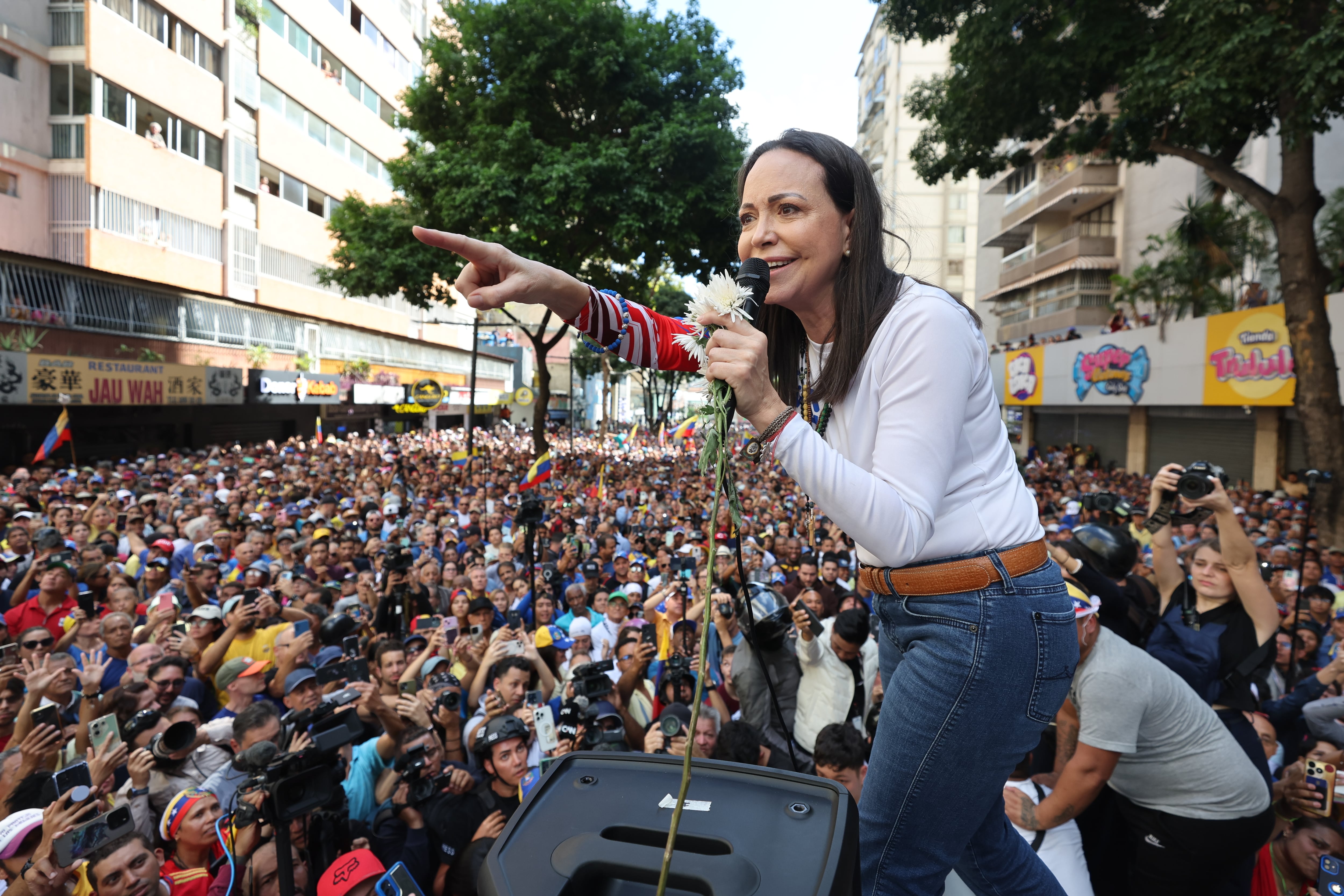
Venezuela’s opposition is undergoing a fascinating, and frankly, predictable, reorganization in the wake of recent political shifts. After years of battling a deeply entrenched regime, the possibility of actual change, however slim, is forcing leaders and factions to redefine themselves and their strategies. It's a scramble for position, and it's happening on multiple fronts.
Venezuela's Opposition REBORN! What Happens Next W...
The old guard, represented by figures like María Corina Machado and Henrique Capriles, are once again vying for leadership. Their rivalry is no secret, a well-documented and often bitter split that's plagued the opposition for years. Machado, known for her uncompromising stance and international lobbying, seems to be doubling down on that strategy. Her recent meeting with the Pope and a scheduled visit with former US President Trump clearly signal her intention to remain a key player on the world stage.
Capriles, on the other hand, seems to be playing a more domestic game. He's positioning himself as a centrist, someone willing to work within the system, however flawed it may be. This approach, while arguably more pragmatic, has also earned him criticism from hardliners who see it as a betrayal of the core principles of the opposition. It’s a tough balancing act, trying to be seen as a force for change while not being branded a collaborator.
What's particularly interesting is the re-emergence of figures who were previously forced into the shadows. Alfredo Ramos, the former mayor of Barquisimeto, returning after 17 months in hiding, is a prime example. These individuals, realizing that exile often equates to political irrelevance, are betting on a slightly more open political landscape. They’re hoping to capitalize on the momentum, whatever that may be, and reclaim their voices in the national conversation. It’s a brave move, and one that could significantly reshape the dynamics of the opposition.
Of course, we can’t forget the role of the current regime in all of this. The Maduro government, even in its potential post-Maduro iteration led by the Rodríguez siblings, is keen on maintaining control. They’ve even cultivated their own "opposition" – a group of dissidents who call for reforms but ultimately lack the power to enact any real change. This is a classic strategy, creating a façade of democracy while effectively stifling any genuine challenge to the status quo.
Capriles’ return to political life is a particularly compelling subplot. Marginalized for years and overshadowed by Machado, he seized an opportunity to break with her faction and secure a seat in the National Assembly. However, this move came at a steep price: expulsion from his party and accusations of treachery. He’s back, but at what cost? Is he a genuine voice for change, or simply a pawn in a larger political game? Only time will tell, but his actions will be closely watched by all sides.
Comments
Please sign in with Google to post a comment
No comments yet. Be the first to comment!