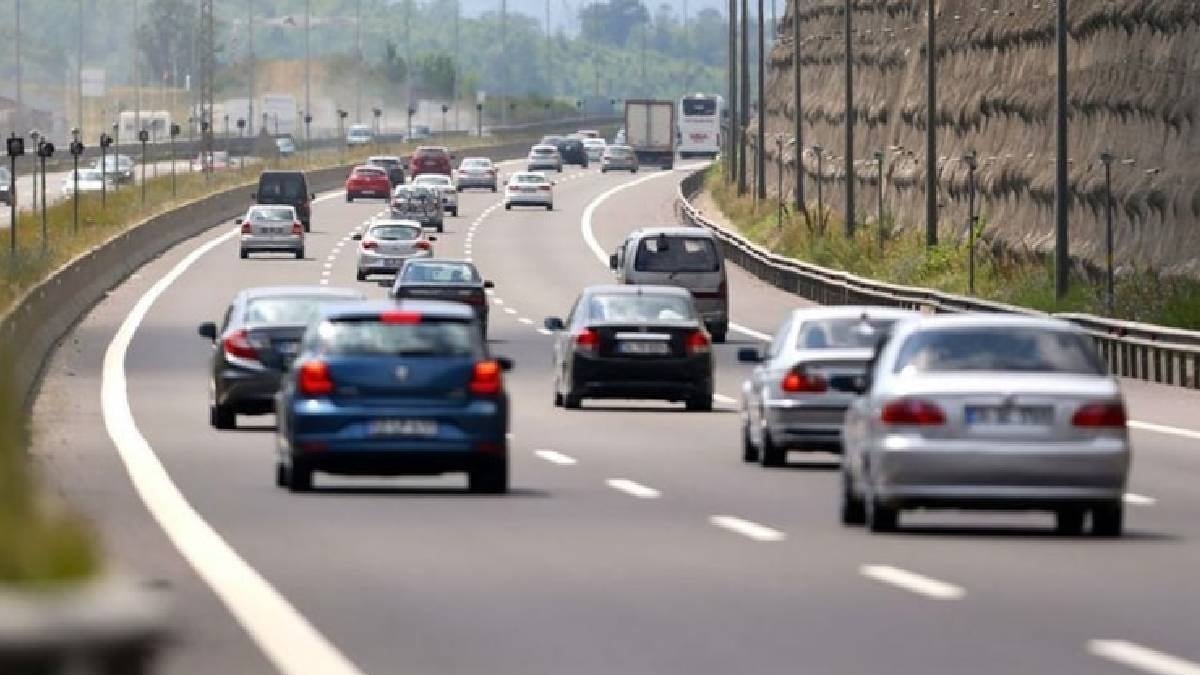
As winter's chill creeps in, and thoughts turn to cozy fires and hot cocoa, there's a hazard lurking on the roads far more insidious than a blizzard: Black ice. Experts are issuing a strong warning to drivers: winter tires are a must, and vigilance is key. This nearly invisible menace can turn a routine commute into a terrifying slide in the blink of an eye.
Hidden Danger for Drivers! Are You Prepared for Th...
We all tend to be a bit more cautious when we see snow falling, right? But the truly dangerous thing about Black ice is its deceptive appearance. These transparent patches, practically undetectable on asphalt, are responsible for countless accidents every year. It's especially prevalent during those late-night and early-morning hours when temperatures plummet – precisely when visibility is already compromised, and catching even experienced drivers off guard.
So, what exactly is this "black ice"? Well, ironically, it's not black at all. It's a thin, transparent layer of ice that allows the asphalt beneath to show through. This is what makes it so difficult to spot; it often looks just like wet pavement. It forms when temperatures dip below freezing, and any existing moisture – even just dampness – freezes, creating a slick surface that eliminates tire contact. The result? A vehicle that's suddenly a passenger, not under your control.
Certain areas are particularly prone to black ice formation. Bridges and overpasses are classic examples. Because they're exposed to air circulation both above and below, they cool down much faster than the surrounding road surface. Shaded areas, where the sun's warming rays can't reach, are another danger zone. When driving in areas prone to freezing, especially after dark or before sunrise, reducing speed and avoiding sudden braking or steering is crucial, particularly when crossing these critical spots.
There's a dangerous misconception that winter tires are only needed when it's actually snowing. The reality is that winter tires are designed with a special rubber compound that remains flexible at temperatures below 7 degrees Celsius (45 degrees Fahrenheit). This allows them to maintain superior grip on cold, wet, and icy surfaces. Summer tires, on the other hand, harden in cold weather, becoming almost like glass. This can double your braking distance on icy or wet roads – a terrifying prospect.
And just having winter tires isn't enough. Authorities are reminding drivers that worn-out winter tires with insufficient tread depth are practically useless, even with snow warnings in effect. Think of it like wearing shoes with no grip on an ice rink – you're going down! Also, don't forget that tire pressure decreases in cold weather. Check your tires before every trip to ensure they're properly inflated.
Perhaps the most important piece of advice when encountering black ice – or any skid, for that matter – is to remain calm. Avoid slamming on the brakes, as this can lock your wheels and send you into a spin. Instead, gently ease off the gas and brake and steer in the direction of the skid. Maintaining a following distance three times greater than usual is also a smart move, giving you more time to react. It's better to be late than to be sorry.
Finally, in the event of a snowstorm or icy conditions, make sure your vehicle is properly equipped. Pack chains, a tow rope, and wheel chocks. And don't forget to fill your windshield washer fluid with an antifreeze solution. Clear visibility is crucial for safe driving, especially when conditions are already challenging. Stay safe out there!
Comments
Please sign in with Google to post a comment
No comments yet. Be the first to comment!