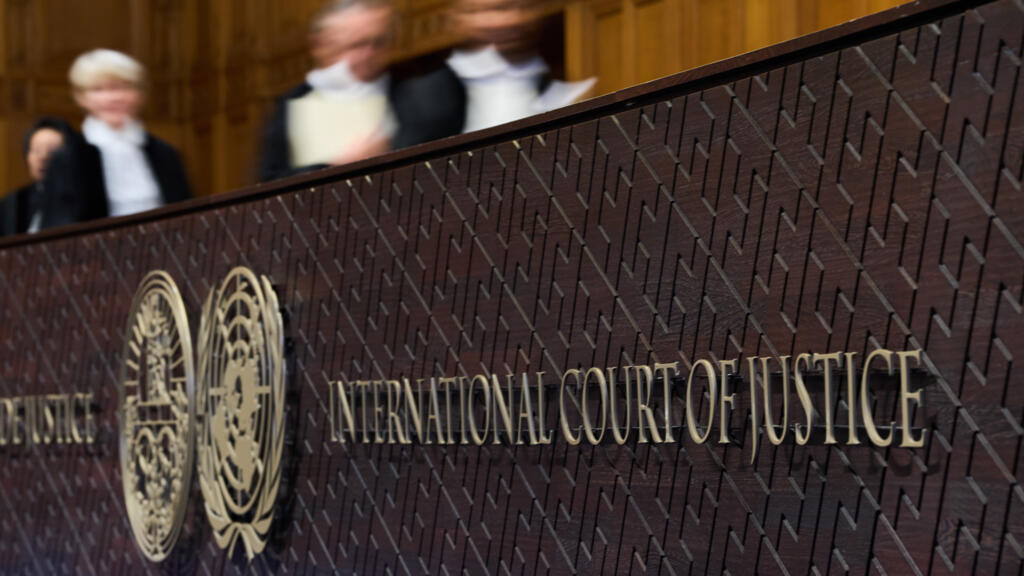
Myanmar has officially hit back at the ongoing genocide case at the International Court of Justice (ICJ), labeling the accusations as "flawed and unfounded." This comes as the ICJ in The Hague began its third week of hearings on the matter, a case brought forward by The Gambia, a small West African nation acting on behalf of the Organization of Islamic Cooperation (OIC). The core issue revolves around a brutal military crackdown in 2017 that forced hundreds of thousands of Rohingya Muslims to flee to neighboring Bangladesh.
Myanmar Genocide Case: Shocking Claims Emerge! Wha...
The foreign ministry in Naypyidaw released a statement on Wednesday, arguing that the ICJ's jurisdiction in the case is being challenged. They maintain that the military operation, while acknowledging some regrettable incidents, was a legitimate counter-terrorism effort against Rohingya insurgents. It's a familiar refrain we've heard for years, but it rings hollow considering the sheer scale of the displacement and the documented atrocities.
Now, The Gambia's legal team is painting a very different picture, presenting evidence of widespread killings, rape, and systematic destruction of Rohingya villages. They argue that these actions clearly demonstrate a genocidal intent by the Myanmar military, a claim Myanmar vehemently denies. The ICJ is essentially being asked to decide whether the 2017 crackdown constitutes genocide under international law. It's a high bar to clear, requiring proof of intent to destroy a protected group, in whole or in part.
It's a terribly complex situation, made even more so by Myanmar's internal politics. The military retains significant power, even after a nominal transition to civilian rule. Aung San Suu Kyi, once a global icon for democracy, defended Myanmar's actions at the ICJ during earlier hearings. While her image has been tarnished internationally, she still holds considerable sway within the country, and her stance reflects the deep-seated nationalist sentiments at play. I recall watching those hearings; it was a jarring experience seeing her, a Nobel Peace Prize laureate, seemingly justifying the actions of a military accused of such horrific crimes.
The ICJ's ruling, which could take years, won't necessarily lead to immediate justice for the Rohingya. However, it could put significant pressure on Myanmar and potentially pave the way for future prosecutions at the International Criminal Court (ICC). More importantly, a ruling against Myanmar would send a powerful message that such acts of violence against vulnerable populations will not be tolerated by the international community. The hope is that this case, however long and arduous, will ultimately contribute to a more just and peaceful future for the Rohingya people.
Comments
Please sign in with Google to post a comment
No comments yet. Be the first to comment!