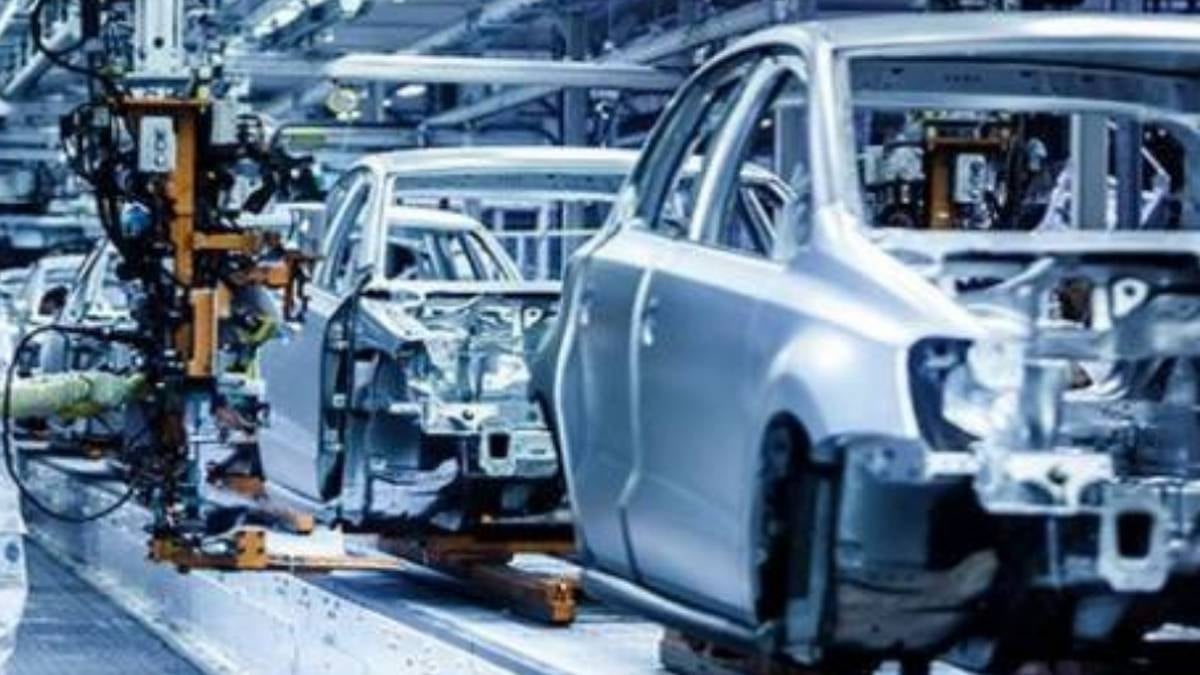
Brussels reels as Audi closes its factory doors, leaving thousands facing an uncertain future. The shift to electric vehicles, while touted as a cleaner, greener future, is increasingly leaving a trail of economic disruption in its wake. Audi's decision to shutter its Belgian production facility is a stark reminder of this reality, impacting not just the automaker's direct employees, but also the vast network of supplier companies that depend on its business.
Auto Giant SHUTS Factory! €7.5M Payout: What Happe...
The European Commission, stepping in to mitigate the damage, has announced a €7.5 million fund aimed at revitalizing the Vorst region of Brussels, the area hit hardest by the plant's closure. This isn't just about throwing money at the problem; it's about providing real, tangible support to the workers whose lives have been upended. I've seen firsthand how factory closures can devastate communities, and this kind of intervention is absolutely crucial.
Let's be clear: the Brussels plant wasn't some outdated relic. It was a key production hub for the Q8 e-tron, Audi's luxury electric SUV. The decision to discontinue its production there, driven by shifts in global demand and, let's be honest, a brutally competitive market, ultimately sealed the factory's fate. The impact cascades outwards, affecting not only Audi's workforce but also those countless smaller businesses that supply components and services to the plant. Hundreds of supplier employees are now facing the same daunting prospect of unemployment.
The EU's funding is targeted at supporting a total of over 3,400 individuals – 2,580 former Audi employees and 834 from supplier firms. The focus is on equipping them with the skills and resources needed to navigate this changing landscape. Think professional retraining programs, personalized career counseling, and vocational training in the very technologies that are reshaping the auto industry. There's even support for those brave enough to strike out on their own and start their own businesses – a path that, while risky, can also be incredibly rewarding.
There's a glimmer of hope amid the gloom. A dedicated employment unit, established immediately following the factory closure, has already helped around 1,000 former Audi employees find new jobs. That's a testament to the resilience of these workers and the effectiveness of the support being offered. However, the road ahead remains challenging. Retraining and finding new opportunities takes time and effort. It’s not a magic wand, but it's a vital step towards rebuilding lives and revitalizing a community shaken by this significant industrial shift. This closure serves as a cautionary tale, highlighting the need for proactive planning and support as the auto industry continues its rapid transformation.
Comments
Please sign in with Google to post a comment
No comments yet. Be the first to comment!