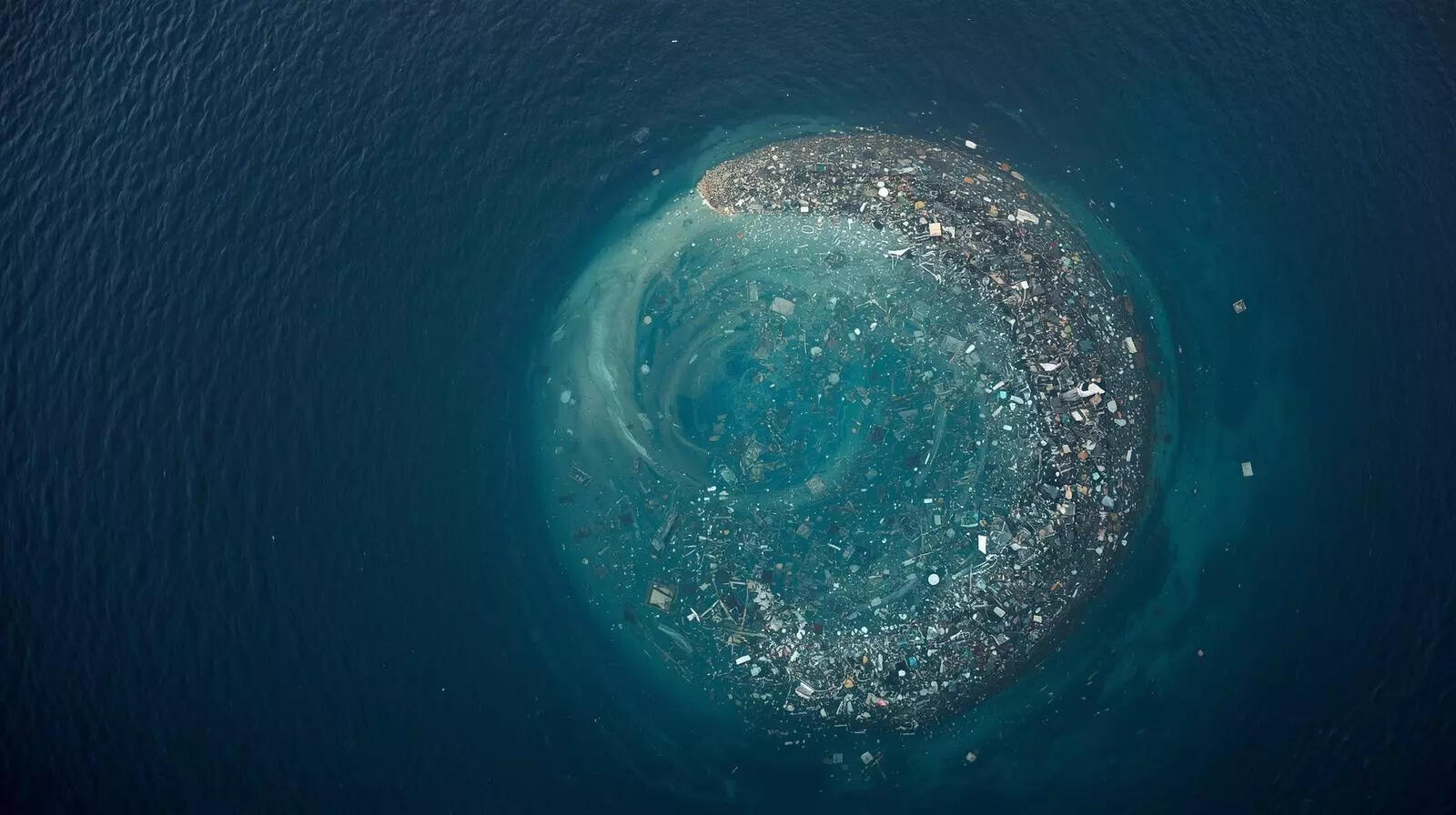
The image of the Great Pacific Garbage Patch has always been one of environmental disaster: a swirling vortex of plastic choking our oceans. But a new study reveals a surprising twist in this grim tale. It turns out, this massive accumulation of waste is becoming a bizarre, unintended haven for some marine species.
Ocean Trash Island: New Life...Or Silent Killer?!
Scientists have discovered that coastal marine life, creatures you'd normally find clinging to rocks and docks near shore, are not just surviving in the Garbage Patch, but thriving. They're reproducing, building communities, and essentially turning these floating plastic islands into their new homes. It's a development that both fascinates and troubles researchers, highlighting the complex and unpredictable ways nature adapts to even the most drastic changes.
This revelation challenges our long-held assumptions about the open ocean. We tend to think of the high seas as largely barren environments. However, the Great Pacific Garbage Patch, tragically, offers a novel, albeit artificial, habitat. These coastal species, accustomed to a solid substrate, are finding refuge on the very plastic that threatens countless other marine animals. Imagine barnacles and anemones hitching rides on discarded water bottles, creating mini-ecosystems drifting across the Pacific. It's a surreal picture.
Now, before we start celebrating plastic's unintended "benefits," let's be clear: this is not a good thing. While some species might be adapting, the overall impact of the Garbage Patch remains devastating. The introduction of coastal species into the open ocean could disrupt existing ecosystems, potentially outcompeting native species and altering the delicate balance of the marine environment. Furthermore, the plastic itself continues to pose a threat through entanglement, ingestion, and the release of harmful chemicals.
The story reminds me of those invasive species documentaries you see on PBS, where a seemingly harmless plant or animal introduced into a new environment wreaks havoc. This situation feels similar, but on a scale we haven't quite grasped yet. What's more, this situation emphasizes the sheer scale of the plastic problem. It's not just about the visual pollution; it's about the profound and lasting changes we're inflicting on the planet's ecosystems. We need to drastically reduce our plastic consumption and improve waste management practices. The future of our oceans depends on it, and this unlikely "habitat" is a stark reminder of the consequences of our inaction.
This discovery is just one piece of the puzzle, and further research is needed to fully understand the long-term ecological impacts of this new "plastic ecosystem." But one thing is clear: the Great Pacific Garbage Patch is more than just a trash heap; it's a testament to humanity's impact on the natural world, a place where unintended consequences are playing out in real-time, and the challenges are as complex as they are urgent.
Comments
Please sign in with Google to post a comment
No comments yet. Be the first to comment!