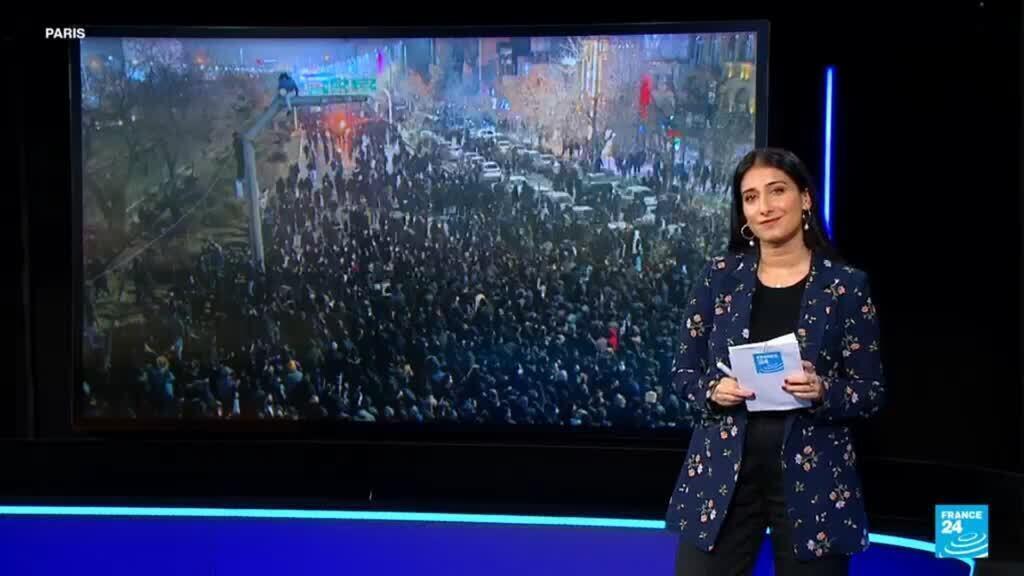
Iran is currently a tinderbox. For nearly two weeks, reports have been filtering out (despite a heavy internet clampdown) of widespread protests that are seriously rattling the Iranian regime. This isn't just your run-of-the-mill grumbling; this feels different. But, in the age of rampant misinformation, a crucial question arises: are we seeing the full, unvarnished truth? Are these protests as large and impactful as they appear?
Iran Protests: AI Manipulation?! What's REALLY Hap...
Enter Vedika Bahl, investigator extraordinaire at "Truth or Fake," a publication dedicated to ferreting out digital deception. Bahl has been wading through a swamp of online claims surrounding the Iranian protests, specifically focusing on accusations of image manipulation and artificially deflated turnout numbers. The internet, as we all know, can be a powerful amplifier, but it's also a breeding ground for doubt, and sometimes, outright lies. I've seen this myself covering similar events; the digital battlefield is just as fierce as the one on the streets.
One of the primary claims Bahl addresses is the allegation that protest photos are being deliberately misframed or manipulated with digital tools – potentially even AI – to make crowds seem smaller than they actually are. This is a serious accusation. After all, optics matter. A regime facing massive public disapproval is in a far weaker position than one facing isolated pockets of dissent. The visual narrative can heavily influence both domestic and international perceptions.
Bahl's investigation, while ongoing due to the inherent difficulties in verifying information coming from a country with a heavily censored internet, points to a mixed bag. Some images circulating online are indeed being taken out of context, used to support narratives that aren't entirely accurate. A photo from a smaller, unrelated gathering might be presented as evidence of low turnout at a major protest, for instance. This is a classic tactic in disinformation campaigns. However, she also highlights credible reports and verifiable video footage that undeniably show significant crowds in multiple cities. It's not all smoke and mirrors, it seems.
It's important to remember that verifying anything coming out of Iran right now is incredibly difficult. The internet shutdowns make independent corroboration almost impossible. We're reliant on anecdotal evidence, citizen journalism (which, while valuable, can be biased), and the limited official information that trickles out. The challenge lies in separating the genuine reports of widespread unrest from the deliberate attempts to distort the reality on the ground. Bahl's work is a critical first step, reminding us to approach all information with a healthy dose of skepticism, while not dismissing the very real possibility that the Iranian people are making their voices heard, loud and clear, despite the risks.
Comments
Please sign in with Google to post a comment
No comments yet. Be the first to comment!